CM Sukhu Meets ST Scholarship Students, Highlights Loan Scheme
Synopsis
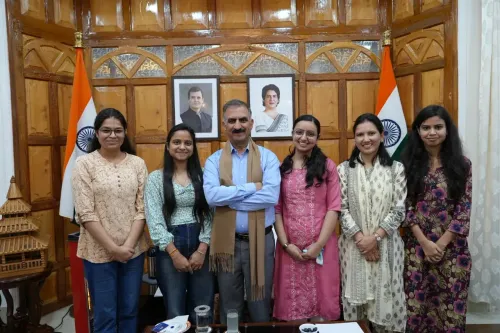
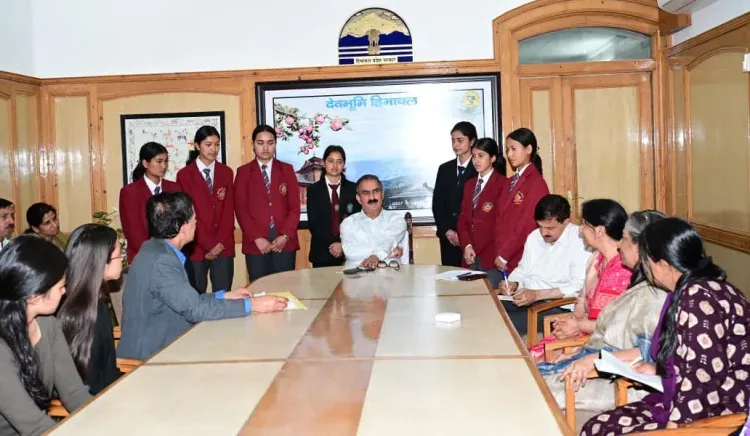
Himachal Pradesh CM Sukhvinder Singh Sukhu met 21 Scheduled Tribe students benefiting from the Post-Matric Scholarship Scheme on 29 May 2026, and highlighted the Dr. Y.S. Parmar Vidyarthi Rin Yojana, which offers up to Rs 20 lakh in education loans at just 1 per cent interest.
Key Takeaways
CM Sukhvinder Singh Sukhu met 21 Scheduled Tribe students on 29 May 2026 who are beneficiaries of the Post-Matric Scholarship Scheme .
Students shared their academic experiences and were praised by the Chief Minister for their dedication and hard work.
Parmar Vidyarthi Rin Yojana offers education loans of up to Rs 20 lakh at a concessional rate of 1 per cent per annum .
The loan scheme covers both higher education and vocational courses , broadening its applicability for tribal students.
Tribal students from areas including Kinnaur , Lahaul-Spiti , and Chamba are among the primary intended beneficiaries.
CM Sukhu urged students to maximise the use of available state schemes to build their futures.
Himachal Pradesh Chief Minister Sukhvinder Singh Sukhu on Friday, 29 May 2026, met with students from Scheduled Tribe areas who are beneficiaries of the Post-Matric Scholarship Scheme, listening to their academic experiences and urging them to take full advantage of state education support programmes.
Context
The Chief Minister hosted 21 students from Scheduled Tribe regions who shared their educational journeys under the Post-Matric Scholarship Scheme. Sukhu described their dedication and hard work as 'vastaav mein prernadaayak' — 'truly inspirational' — and reaffirmed the state government's commitment to expanding higher-education access for every student.
In his post, Sukhu wrote: 'Today, 21 students from Scheduled Tribe areas benefiting from the Post-Matric Scholarship Scheme called on me and shared their educational experiences. The dedication and hard work of the students is truly inspirational.'
Policy Backdrop
The Post-Matric Scholarship Scheme for Scheduled Tribe students is a centrally sponsored programme implemented through state governments under the Ministry of Tribal Affairs. It has supported post-secondary education for tribal students in Himachal Pradesh for several decades, covering tuition, maintenance, and other academic costs.
Alongside the scholarship, the state government is running the Dr. Y.S. Parmar Vidyarthi Rin Yojana, which offers loans of up to Rs 20 lakh at a concessional interest rate of just 1 per cent per annum for higher education and vocational courses. The scheme is named after Dr. Yashwant Singh Parmar, Himachal Pradesh's first Chief Minister, who served from 1952 to 1977 and remains a foundational figure in the state's development history.
CM Sukhu urged all students to make maximum use of both schemes: 'I request all students to avail the maximum benefit of these schemes and move forward in building their bright future.'
Stakeholders and Impact
The primary beneficiaries are students from Scheduled Tribe communities in designated tribal belts of Himachal Pradesh, including districts such as Kinnaur, Lahaul-Spiti, and parts of Chamba. These areas are characterised by geographic remoteness and historically lower rates of higher-education enrolment.
The combination of a scholarship for post-matric studies and a near-zero-interest loan for higher and vocational education is designed to reduce financial barriers at two distinct stages of a student's academic journey. Similar dual-support models — scholarship plus subsidised credit — have been adopted by other states with significant tribal populations to improve both enrolment and course-completion rates.
What's Next
Attention will now turn to disbursement volumes and repayment performance under the Dr. Y.S. Parmar Vidyarthi Rin Yojana in the upcoming academic cycle, as well as any state budget announcements that may expand the scheme's corpus. The Himachal Pradesh government's ability to scale these interventions will be a key indicator of whether the state can meaningfully close the higher-education gap for its tribal communities. Broader national tribal development frameworks continue to evolve, and Himachal Pradesh's model may inform policy discussions in other hill and tribal states.
Point of View
Anchoring a contemporary welfare push in a legacy that transcends party lines. The broader test will be whether disbursement and outreach data in the next academic year validate the scheme's reach beyond symbolic gestures.
NationPress
14 Oct 2026
Frequently Asked Questions
What is the Dr. Y.S. Parmar Vidyarthi Rin Yojana?
The Dr. Y.S. Parmar Vidyarthi Rin Yojana is a Himachal Pradesh state government education loan scheme that provides up to Rs 20 lakh to students pursuing higher education or vocational courses at a concessional interest rate of just 1 per cent per annum.
Who can benefit from the Post-Matric Scholarship Scheme in Himachal Pradesh?
The Post-Matric Scholarship Scheme in Himachal Pradesh is designed for Scheduled Tribe students pursuing post-secondary education. It is a centrally sponsored programme implemented through the state government under the Ministry of Tribal Affairs.
Why did CM Sukhu meet students on 29 May 2026?
CM Sukhvinder Singh Sukhu met 21 students from Scheduled Tribe areas on 29 May 2026 to hear about their educational experiences under the Post-Matric Scholarship Scheme and to encourage them to make full use of state education support programmes.
What is the interest rate on the Himachal Pradesh student education loan scheme?
The Dr. Y.S. Parmar Vidyarthi Rin Yojana offers education loans at an interest rate of 1 per cent per annum, significantly lower than standard commercial loan rates, to support tribal and other eligible students in Himachal Pradesh.
Which tribal districts in Himachal Pradesh benefit from these education schemes?
Scheduled Tribe students from districts including Kinnaur, Lahaul-Spiti, and parts of Chamba are among the primary beneficiaries of the Post-Matric Scholarship Scheme and the Dr. Y.S. Parmar Vidyarthi Rin Yojana in Himachal Pradesh.