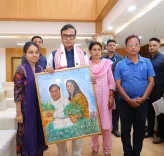
CM Sukhu visits Nari Seva Sadan in Mashobra on Diwali
Synopsis
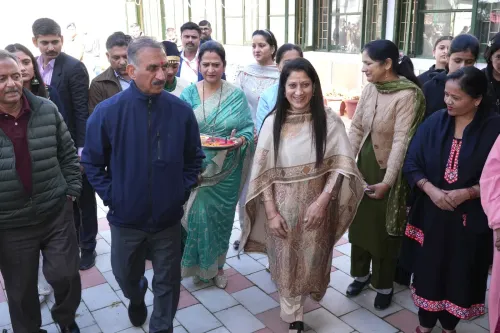
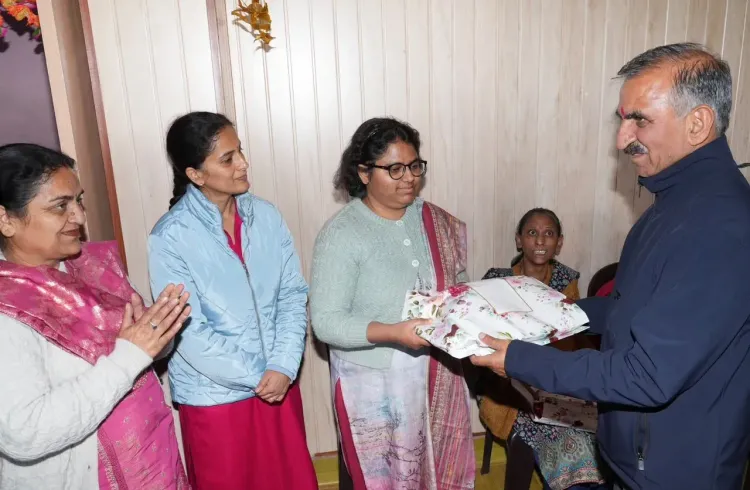
Himachal Pradesh CM Sukhvinder Singh Sukhu visited Nari Seva Sadan, a women's shelter in Mashobra, Shimla, on Diwali, meeting residents and sharing festival greetings in a gesture of inclusive outreach.
Key Takeaways
CM Sukhvinder Singh Sukhu visited Nari Seva Sadan in Mashobra, Shimla on Diwali 2026 .
He met women residents of the shelter and extended Diwali greetings in person.
Sukhu framed the visit around inclusion: 'The joy of festivals lies in bringing others into our happiness.' Nari Seva Sadan is a women's service home in Shimla district, Himachal Pradesh .
No new policy announcements or welfare scheme commitments were made during the visit.
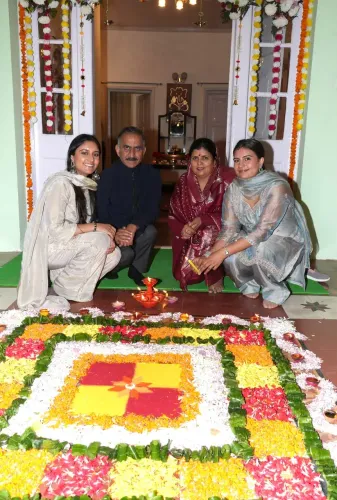
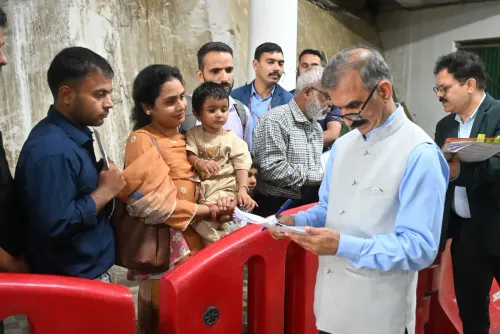
On the eve of Diwali, Himachal Pradesh Chief Minister Sukhvinder Singh Sukhu stepped away from the ceremonial calendar and toward a quieter corner of Mashobra, Shimla — meeting the women residents of Nari Seva Sadan and sharing the festival's warmth with those who celebrate it far from family.
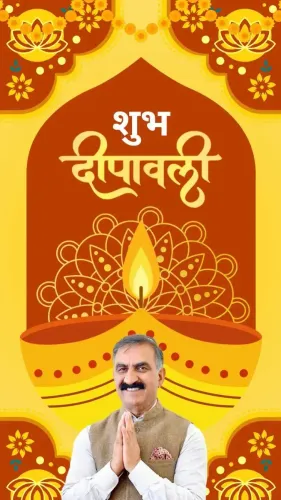
Sukhu shared the visit on Monday, 9 November 2026, posting in Hindi: 'त्योहारों की खुशी भी इसी में है कि हम अपनी खुशियों में दूसरों को शामिल करें' — 'The joy of festivals lies in bringing others into our happiness.' He described Diwali as 'a festival to bring light into everyone's life and a smile to every face.'
A welfare home in the hills above Shimla
Nari Seva Sadan is a women's service home situated in Mashobra, a locality in Shimla district. The facility provides shelter and support to women who live outside the mainstream domestic setting — residents for whom a chief minister's Diwali visit carries a significance that goes beyond the photo opportunity.
Festival visits as a fixture of outreach
Visits by Indian state chief ministers to welfare homes and shelters during major festivals — Diwali, Eid, Christmas — are a long-established form of public outreach. The gesture signals inclusion, even when it carries no fresh policy announcement. Sukhu's stop at Mashobra fits that pattern: no new scheme was unveiled, no commitment flagged. The statement was the presence itself.
In a political climate where welfare optics are closely watched, showing up — in person, at a shelter, on Diwali night — remains a deliberate act of visibility for the women who live there and the constituency that notices.
Point of View
But it feeds into a broader Congress-led narrative of inclusive governance in Himachal Pradesh. With the state having seen political turbulence in recent years, such humanising gestures help maintain a chief minister's accessibility image. The absence of any announcement, however, keeps this firmly in the outreach column rather than the governance one.
NationPress
9 Nov 2026
Frequently Asked Questions
What is Nari Seva Sadan in Shimla?
Nari Seva Sadan is a women's service home located in Mashobra, Shimla district, Himachal Pradesh, that provides shelter and support to women residents.
Why did CM Sukhu visit Nari Seva Sadan?
CM Sukhvinder Singh Sukhu visited Nari Seva Sadan on the occasion of Diwali to meet the women residents and extend festival greetings, as part of his public outreach during the festival season.
Where is Mashobra located?
Mashobra is a locality in Shimla district, Himachal Pradesh, situated in the hills near the state capital Shimla.
Did CM Sukhu announce any new scheme during the Diwali visit?
No new welfare scheme or policy commitment was announced during CM Sukhu's Diwali visit to Nari Seva Sadan in Mashobra.