CM Sukhvinder Sukhu: Investors Can Expand via Building Cost-Rent Model

Synopsis
Chief Minister Sukhvinder Singh Sukhu announced that investors can expand their industrial and commercial operations in Himachal Pradesh by paying the cost and rent of a designated government building, signalling a facility-based investment push by the state.
Key Takeaways
CM Thakur Sukhvinder Singh Sukhu announced a cost-and-rent building model for investors on 19 July 2026 .
Investors can expand industrial and commercial activities by paying the building's cost and rent — no land purchase required.
The model is designed to lower entry barriers for businesses in Himachal Pradesh , a state with high construction costs.
The arrangement allows the state government to generate recurring revenue from public assets while attracting private enterprise.
Downstream benefits could include local employment generation and reduced youth out-migration from the hill state.
Specific details on eligible sectors, rent structure, and application process are yet to be officially announced.
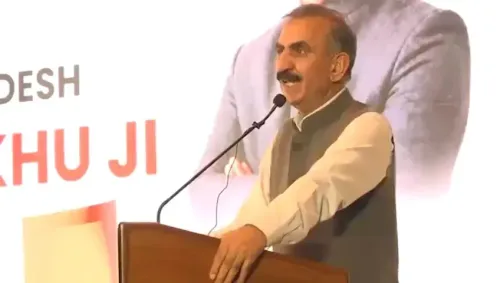
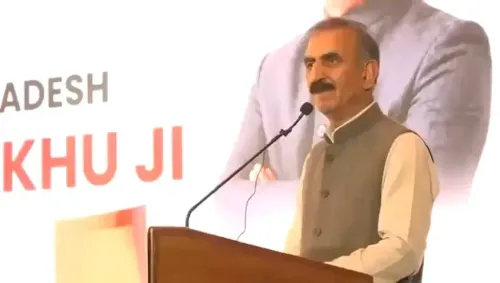
The Chief Minister's Office of Himachal Pradesh shared a statement on Sunday, 19 July 2026, quoting Chief Minister Thakur Sukhvinder Singh Sukhu on a facility-based investment model that allows investors to expand their industrial and commercial activities by paying the cost and rent of a designated building.
In the post, CM Sukhu stated: 'निवेशक इस भवन की लागत एवं किराया देकर अपनी औद्योगिक एवं व्यावसायिक गतिविधियों का विस्तार कर सकते हैं' ('Investors can expand their industrial and commercial activities by paying the cost and rent of this building.')
Context
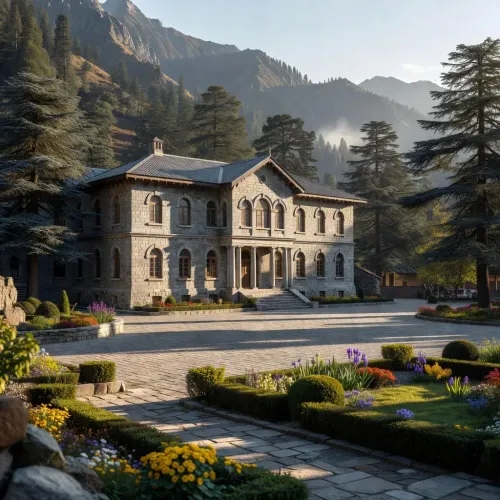
The remark appears to reference a government-owned or government-facilitated building being offered to private investors under a cost-and-rent arrangement. Such models are designed to lower the entry barrier for businesses that may not wish to invest in constructing their own premises. Himachal Pradesh, a hill state with constrained flat land and high construction costs, has historically faced challenges in attracting large-scale industrial investment.
By offering ready infrastructure at defined costs, the state government signals an intent to make Himachal Pradesh more competitive for investors seeking operational flexibility without heavy capital expenditure on real estate.
Policy Backdrop
CM Sukhu, who took office in December 2022, has repeatedly emphasised self-reliance and sustainable investment as pillars of the state's economic strategy. The Sukhu government has pursued industrial policy reforms aimed at attracting both large enterprises and MSMEs to the state, including green energy, tourism, and pharmaceutical sectors.
Cost-and-rent or lease-based industrial estate models are a recognised tool in Indian state industrial policy, allowing governments to monetise public assets while simultaneously providing affordable infrastructure to businesses. This approach reduces upfront investor risk and can accelerate occupancy of industrial zones.
Stakeholders and Impact
The primary beneficiaries of such a scheme would be small and medium enterprises, startups, and established businesses looking to set up or scale operations in Himachal Pradesh without committing to land purchase or construction. For the state government, the arrangement generates recurring rental revenue while keeping public assets productive.
Local employment generation is a key downstream effect: when investors expand industrial and commercial activities, demand for skilled and semi-skilled labour in the region typically rises. Himachal Pradesh's youth, many of whom migrate to plains states for work, could benefit if such investment translates into on-ground job creation.
What's Next
The statement, shared via the official CMO Himachal Pradesh handle, is likely part of a broader investor outreach or industrial promotion drive. Further details on the specific building, the sectors eligible, the rent structure, and the application process are expected to be announced through official government channels.
If the model gains traction, it could serve as a replicable template for other hill states grappling with the dual challenge of attracting investment and managing scarce developable land. The Himachal Pradesh government's ability to operationalise this offer with transparent pricing and streamlined approvals will determine investor response.
Point of View
The government is positioning existing public infrastructure as a ready-to-use commercial asset. This cost-and-rent model mirrors industrial estate frameworks used successfully in states like Gujarat and Maharashtra, and its adoption in a hill state signals an attempt to close the competitiveness gap. The announcement, made via the official CMO handle rather than a formal policy document, suggests it may be part of an ongoing investor engagement event or roadshow. The real test will be whether the government follows through with transparent pricing, sector-specific incentives, and single-window clearances to convert intent into actual investment.
NationPress
18 Oct 2026
Frequently Asked Questions
What did CM Sukhvinder Singh Sukhu announce for investors in Himachal Pradesh?
CM Sukhu announced that investors can expand their industrial and commercial activities in Himachal Pradesh by paying the cost and rent of a designated building, removing the need for investors to purchase land or construct their own premises.
How does the building cost-and-rent model work for investors in Himachal Pradesh?
Under this model, the government offers a ready building to investors who pay its cost and an ongoing rent. This allows businesses to set up or scale operations without heavy upfront capital expenditure on real estate or construction.
Which sectors can benefit from CM Sukhu's investor building scheme?
The announcement did not specify sectors. However, given Himachal Pradesh's industrial focus, businesses in pharmaceuticals, tourism, green energy, and MSMEs are likely candidates. Official sector eligibility details are awaited.
Why is Himachal Pradesh offering buildings to investors instead of land?
Himachal Pradesh is a hill state with limited flat, developable land and high construction costs. Offering ready government infrastructure at defined rents lowers investor risk and speeds up the establishment of industrial and commercial operations.
When did CM Sukhu make this investment announcement?
The statement was shared by the Chief Minister's Office of Himachal Pradesh on Sunday, 19 July 2026 , via the official CMO HP account on X.