CM Sukhu Prays at Shimla Temple Over Ayodhya Theft Reports
Synopsis
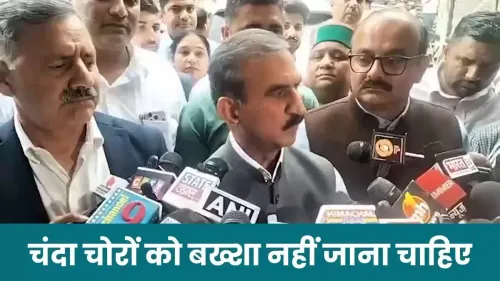
HP Chief Minister Sukhvinder Singh Sukhu visited Shimla's Ram Mandir on 7 July 2026, visibly distressed by reports of theft at the Ayodhya Ram Mandir. He demanded an impartial inquiry, saying betraying the faith of crores of devotees is the greatest adharma.
Key Takeaways
CM Sukhvinder Singh Sukhu offered prayers at the Shri Ram Mandir, Shimla on 7 July 2026 , citing distress over Ayodhya theft reports.
Reports allege theft of offerings and jewellery at the Ayodhya Ram Mandir , which is managed by the Shri Ram Janmabhoomi Teerth Kshetra Trust .
The Ayodhya temple was inaugurated on 22 January 2024 following the Supreme Court's November 2019 verdict.
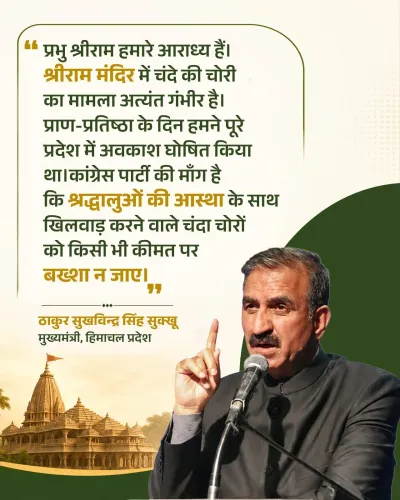
CM Sukhu demanded a transparent, impartial investigation rather than a cover-up of the incident.
He called betraying devotees' trust 'the greatest adharma', directing implicit criticism at those overseeing the shrine.
The incident raises broader questions about financial transparency and governance of major Indian religious endowments.
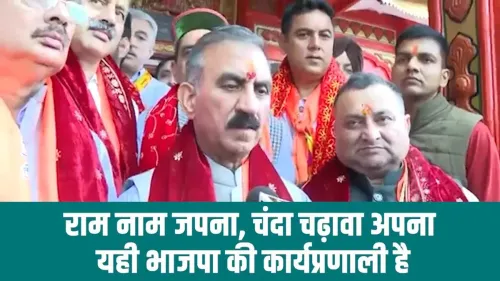
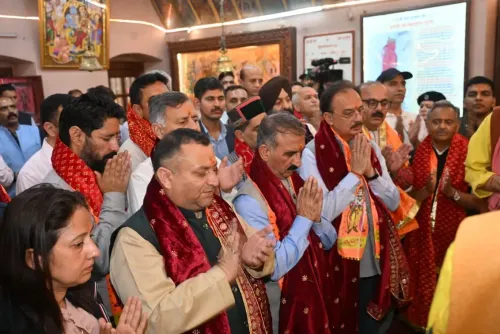
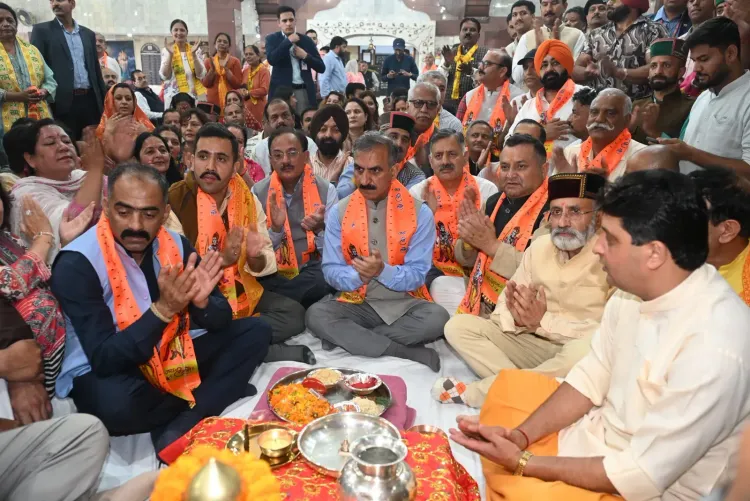
Himachal Pradesh Chief Minister Sukhvinder Singh Sukhu on Tuesday, 7 July 2026, visited the Shri Ram Mandir in Shimla to offer prayers, saying he was distressed by reports of theft of offerings and jewellery at the Ayodhya Ram Mandir, and sought divine protection for truth, justice, and dharma.
Sharing the Sanskrit shloka 'Ramo vigrahaván dharmah sádhuh satya parakramah' ('Ram is the embodiment of dharma, virtuous and truly courageous'), CM Sukhu wrote that he was 'deeply pained' by news of alleged theft linked to donations and ornaments at the Ayodhya temple. He said those entrusted with safeguarding the sanctity of the shrine and the faith of crores of devotees now face serious allegations.
Context
Reports have emerged of alleged theft of offerings and jewellery at the Shri Ram Janmabhoomi temple in Ayodhya, Uttar Pradesh, which was inaugurated on 22 January 2024 by Prime Minister Narendra Modi following the Supreme Court's landmark November 2019 verdict on the Ayodhya title suit. The temple is administered by the Shri Ram Janmabhoomi Teerth Kshetra Trust, constituted under that court order. The specific details of the alleged theft remain unverified at this stage.
CM Sukhu chose to make his response a public act of devotion, travelling to the historic Shri Ram Mandir in Shimla to pray, before posting his statement on X (formerly Twitter).
Policy Backdrop
The Shri Ram Janmabhoomi Teerth Kshetra Trust was formed after one of India's most consequential judicial verdicts and is responsible for construction, management, and financial oversight of the Ayodhya complex. Since the temple's inauguration, it has received donations running into hundreds of crores of rupees as well as substantial jewellery and gold offerings from devotees across the country.
Accountability and transparency in the administration of major religious endowments is a recurring governance concern in India. Opposition leaders have periodically called for independent audits and impartial inquiries when incidents at prominent religious institutions attract public attention.
Stakeholders and Impact
CM Sukhu stated plainly: 'No wealth is greater than the trust of one's deity, and betraying that trust is the greatest adharma.' His remarks are directed at the trust's leadership and, implicitly, at the Uttar Pradesh government and the BJP-led central government, which have been associated with the temple project since its inception.
For the crores of Hindu devotees who contributed to or hold the Ayodhya temple in deep reverence, the alleged incident is a matter of religious and emotional significance. CM Sukhu demanded an 'impartial investigation into the truth rather than drawing a curtain over the entire episode.'
What's Next
All eyes are now on the Shri Ram Janmabhoomi Teerth Kshetra Trust and Uttar Pradesh authorities to either confirm, deny, or initiate a formal inquiry into the reported theft. CM Sukhu's public intervention is likely to intensify political pressure on the trust for a transparent accounting of its finances and security arrangements.
If a formal probe is ordered, it will test the governance framework of one of India's most high-profile religious institutions — and the outcome could set a precedent for how major temple trusts handle internal accountability going forward.
Point of View
He implicitly holds the BJP-aligned temple trust and the Uttar Pradesh government accountable without directly attacking the institution of the Ram Mandir itself. This reflects a broader Congress strategy of engaging with Hindu religious sentiment on its own terms rather than ceding the space entirely. The episode underscores a growing expectation among Indian voters that large, publicly funded or donation-driven religious bodies must be subject to the same transparency norms as any public institution.
NationPress
7 Jul 2026
Frequently Asked Questions
What is the alleged theft at Ayodhya Ram Mandir?
Reports have emerged of alleged theft of offerings and jewellery donated by devotees at the Ayodhya Ram Mandir. The specific details remain under scrutiny and no formal charges have been publicly confirmed at this stage.
Why did CM Sukhu visit a temple in Shimla over an Ayodhya issue?
CM Sukhvinder Singh Sukhu said he was 'pained' by the reports and visited the Shri Ram Mandir in Shimla on 7 July 2026 to pray for truth, justice, and the protection of dharma — expressing his anguish through a public act of devotion.
Who manages the Ayodhya Ram Mandir?
The Shri Ram Janmabhoomi Teerth Kshetra Trust manages the Ayodhya Ram Mandir. It was constituted by the central government following the Supreme Court's November 2019 verdict on the Ayodhya title dispute.
What has CM Sukhu demanded regarding the Ayodhya theft case?
CM Sukhu has demanded an impartial, transparent investigation into the alleged theft, saying the episode must not be covered up and that those entrusted with the shrine's sanctity must be held accountable.
When was the Ayodhya Ram Mandir inaugurated?
The Ayodhya Ram Mandir was inaugurated on 22 January 2024 by Prime Minister Narendra Modi, following the Supreme Court's landmark verdict in November 2019 that paved the way for temple construction.