CM Sukhu Invokes Shri Ram's Blessings for Himachal Pradesh
Synopsis
Chief Minister Sukhvinder Singh Sukhu, through the official Himachal Pradesh CMO account on 7 July 2026, shared a devotional message invoking Lord Shri Ram's infinite grace and wishing happiness, peace, prosperity, and harmony for all residents of Devbhoomi.
Key Takeaways
The Chief Minister's Office of Himachal Pradesh posted a devotional message on 7 July 2026 on X.
CM Thakur Sukhvinder Singh Sukhu invoked the blessings of Lord Shri Ram for all state residents.
The message wished for happiness, peace, prosperity, and harmony in Devbhoomi — Himachal Pradesh's cultural epithet meaning 'Land of the Gods'.
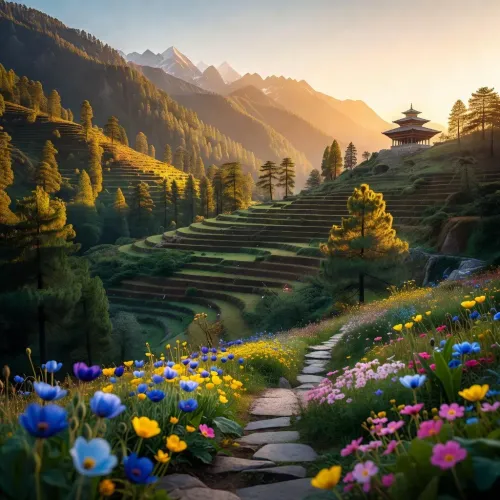
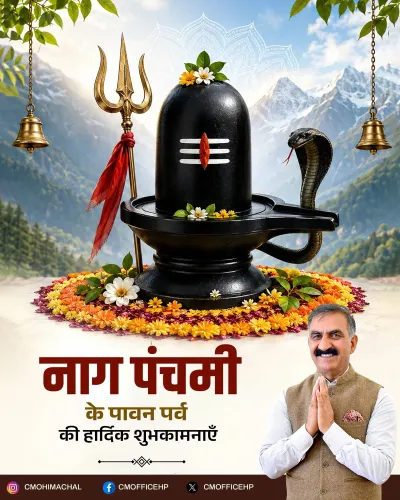
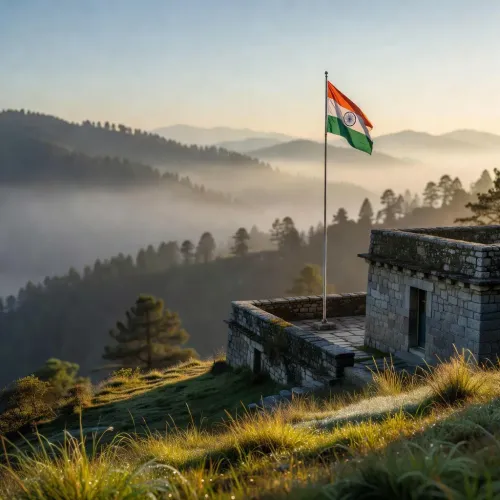
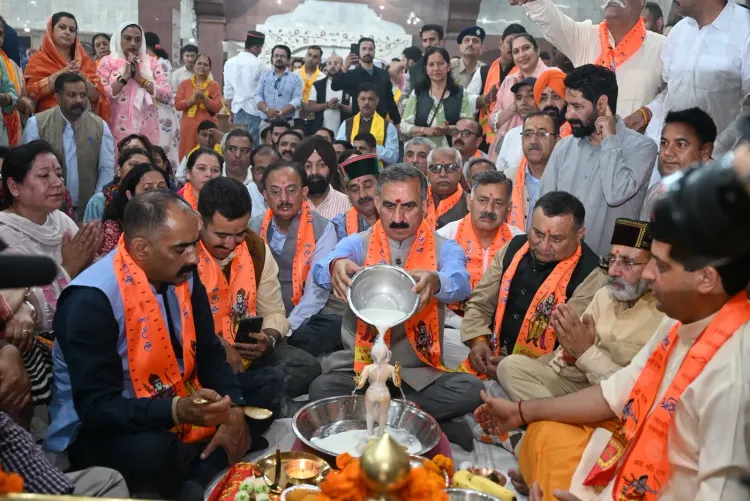
The post was accompanied by three images and closed with the devotional salutation 'Jai Siya Ram' .
CM Sukhu has led the Indian National Congress government in Himachal Pradesh since December 2022 .
The message reflects a broader pattern of Indian state leaders using social media to connect with constituents through shared religious and cultural identity.
The Chief Minister's Office of Himachal Pradesh posted a devotional message on X on Tuesday, 7 July 2026, sharing wishes from Chief Minister Thakur Sukhvinder Singh Sukhu invoking the blessings of Lord Shri Ram for all residents of the state.
Context
The message, posted in Hindi, reads: 'प्रभु श्रीराम जी की अनंत कृपा सभी प्रदेशवासियों पर सदैव बनी रहे। देवभूमि में सुख, शांति, समृद्धि एवं सद्भाव का वास हो। जय सिया राम।' — translated as: 'May the infinite grace of Lord Shri Ram always remain upon all residents of the state. May happiness, peace, prosperity, and harmony reside in Devbhoomi. Jai Siya Ram.' The post was accompanied by three images and was signed directly by the Chief Minister.
Himachal Pradesh is widely known as Devbhoomi — literally 'Land of the Gods' — owing to its dense network of Hindu temples, ancient pilgrimage sites, and deep-rooted religious traditions that define the cultural identity of the hill state.
Policy Backdrop
Chief ministers across India regularly use social media to share devotional messages invoking major deities, blending religious imagery with aspirational wishes for peace and prosperity. These posts have become a standard mode of public communication, particularly on platforms such as X, allowing leaders to connect with Hindi-speaking constituents without necessarily anchoring the message to a specific scheme or administrative announcement.
CM Sukhu, who has led the Indian National Congress government in Himachal Pradesh since December 2022, has continued this tradition, using the state's Devbhoomi identity as a cultural touchstone in public messaging. The invocation of Shri Ram and the closing salutation 'Jai Siya Ram' — a devotional greeting honouring both Ram and Sita — carries broad resonance across the state's predominantly Hindu population.
Stakeholders and Impact
The message is addressed to all residents of Himachal Pradesh, cutting across districts and communities. By invoking the four values of happiness (sukh), peace (shanti), prosperity (samridhi), and harmony (sadbhav), the Chief Minister's office signals an inclusive, aspirational tone rather than a partisan or policy-specific one.
For the state's significant religious tourism ecosystem — which draws pilgrims to sites such as Jwala Ji, Naina Devi, Chintpurni, and the Shrikhand Mahadev trek — such messaging from the highest office reinforces the government's acknowledgement of Devbhoomi's spiritual heritage as central to Himachal Pradesh's public identity.
What's Next
While the post does not announce a new scheme or event, the Himachal Pradesh state tourism department's calendar of upcoming temple festivals and religious tourism infrastructure projects will be closely watched by stakeholders in the pilgrimage and hospitality sectors. Any follow-up announcements linking devotional messaging to concrete policy action — such as improved connectivity to shrine towns or heritage conservation — would give the sentiment expressed here an administrative dimension.
For now, the message stands as a reflection of the enduring role that religious culture plays in the public communication of Himachal Pradesh's leadership, and of CM Sukhu's continued effort to speak to the spiritual sensibilities of the state's residents.
Point of View
High-resonance mode of public engagement. For a Congress government in a state where the BJP has historically drawn on Hindu cultural nationalism, such messaging reflects a deliberate effort to occupy shared cultural ground rather than cede it. The post carries no policy content, yet its political subtext — a Congress CM affirming the same religious touchstones as his opponents — speaks to the broader mainstreaming of devotional politics in Indian governance. Watchers of Himachal Pradesh politics will note whether this signals a prelude to announcements on religious tourism or temple infrastructure ahead of any electoral cycle.
NationPress
6 Oct 2026
Frequently Asked Questions
What did CM Sukhu post about Shri Ram on 7 July 2026?
Chief Minister Sukhvinder Singh Sukhu, through the official HP CMO X account, posted a devotional message invoking Lord Shri Ram's infinite grace upon all Himachal Pradesh residents and wishing happiness, peace, prosperity, and harmony for Devbhoomi.
Why is Himachal Pradesh called Devbhoomi?
Himachal Pradesh is called Devbhoomi, meaning 'Land of the Gods', because of its large number of ancient Hindu temples, sacred pilgrimage sites, and the deep religious traditions that are central to the state's cultural identity.
Who is Sukhvinder Singh Sukhu?
Sukhvinder Singh Sukhu is the Chief Minister of Himachal Pradesh, representing the Indian National Congress. He assumed office in December 2022.
What does 'Jai Siya Ram' mean?
'Jai Siya Ram' is a traditional Hindu devotional salutation that honours both Sita (Siya) and Ram, and is widely used as a greeting and blessing across northern India.
Do Indian chief ministers often post religious messages on social media?
Yes, it is a common practice among Indian state chief ministers to post devotional messages on platforms such as X, invoking deities and wishing residents well, particularly as a way of connecting with Hindi-speaking constituents on matters of shared cultural identity.