CM Sukhu Condemns Delhi Student Lathi-Charge, Urges Dialogue
Synopsis
Himachal Pradesh Chief Minister Sukhvinder Singh Sukhu condemned the lathi-charge on student protesters in New Delhi on 21 July 2026, calling it condemnable and urging the Central Government to resolve the standoff through dialogue with students.
Key Takeaways
CM Sukhvinder Singh Sukhu publicly condemned the lathi-charge on student protesters in New Delhi on 21 July 2026 .
Sukhu called the incident 'extremely unfortunate and condemnable' and said it should not have occurred.
The Indian National Congress party collectively opposes the police action, per Sukhu's statement.
Delhi Police , which reports to the Union Ministry of Home Affairs , is responsible for law and order in the national capital.
Sukhu urged the Central Government to engage in dialogue with students over their demands to end the deadlock.
Sukhu drew on his own background in student politics to underline his empathy with the protesters.
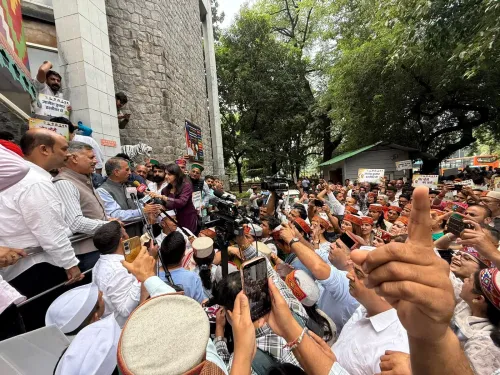
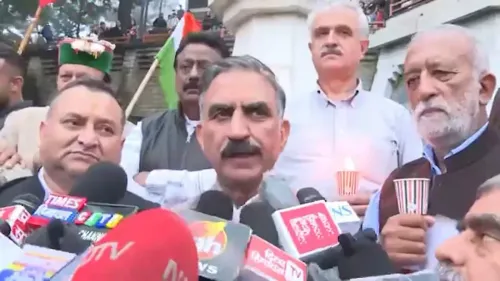
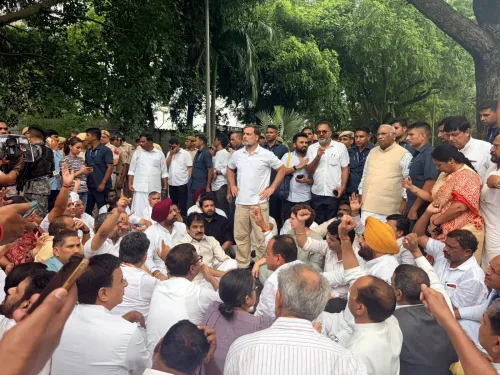
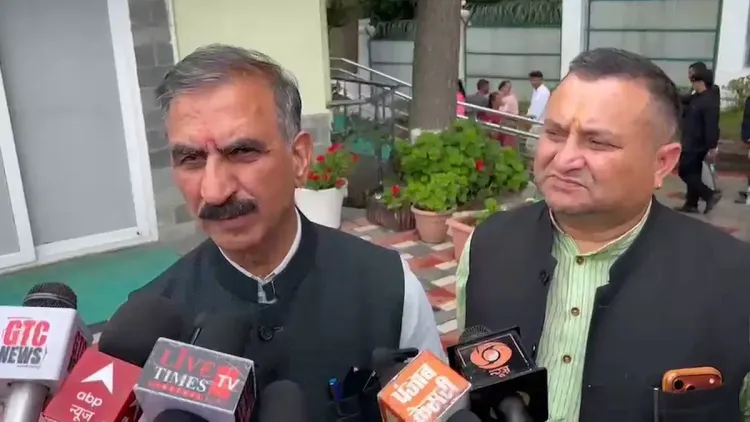
Himachal Pradesh Chief Minister Sukhvinder Singh Sukhu on Tuesday, 21 July 2026, condemned a police lathi-charge on student protesters in New Delhi, calling the action 'extremely unfortunate and condemnable' and urging the Central Government to resolve the standoff through dialogue. Sukhu, who has roots in student politics himself, posted the statement on X, voicing the Indian National Congress party's collective opposition to the crackdown.
Context
In his post, CM Sukhu wrote — 'शांतिपूर्ण प्रदर्शन कर रहे छात्रों पर लाठीचार्ज नहीं किया जाना चाहिए था' ['A lathi-charge should not have been carried out on students who were protesting peacefully']. He added that the Central Government must engage with students on their demands to end the deadlock. The statement is notable for its personal register: Sukhu explicitly invoked his own background in student politics, saying he 'closely understands the pain of students.'
Law and order in New Delhi falls under the jurisdiction of Delhi Police, which reports to the Union Ministry of Home Affairs — not the Delhi government. Any police action in the capital is therefore a direct reflection of central authority, making Sukhu's criticism a pointed rebuke aimed at the BJP-led Union Government.
Policy Backdrop
Congress-led state governments have a documented pattern of condemning police actions against student demonstrations in the national capital, citing the federal structure that places Delhi policing outside state control. This dynamic repeatedly surfaces as a flashpoint between opposition-governed states and the Centre.
Student protest movements in India have historically triggered significant political responses. Opposition parties, particularly Congress, have consistently positioned themselves as defenders of the right to peaceful assembly, a stance that resonates with younger voters and university constituencies. CM Sukhu's personal framing — drawing on his student-politics origins — lends additional credibility to this positioning.
Stakeholders and Impact
The immediate stakeholders are the student protesters whose demands remain unaddressed and who bore the brunt of the police action. Congress and other opposition parties stand to gain political ground by amplifying the incident, while the Central Government faces pressure to either justify the police response or open a formal dialogue channel with student representatives.
Sukhu's statement, issued from his official handle, carries the weight of a sitting chief minister — elevating what might otherwise be a party spokesperson's comment into a constitutional office-holder's formal objection. This raises the stakes for a response from New Delhi.
What's Next
All eyes are now on the Ministry of Home Affairs and Delhi Police for any official response or justification of the lathi-charge. Student bodies involved in the protest are expected to continue pressing their demands, and the matter could be raised in upcoming parliamentary proceedings if the standoff persists.
If the Centre does not initiate talks, opposition leaders — including chief ministers like Sukhu — are likely to escalate their public campaign, potentially coordinating a broader Congress response. The episode underscores the enduring tension between central policing authority in New Delhi and opposition voices demanding accountability for the treatment of peaceful protesters.
Point of View
He frames the condemnation as principled rather than merely partisan — a rhetorical move that strengthens Congress's claim to be the natural ally of youth movements. The statement also fits a well-worn pattern of opposition chief ministers using Delhi's unique federal policing structure as a lever to embarrass the Centre without directly governing the situation. If student unrest continues, expect this episode to be referenced in Parliament as evidence of the Centre's unwillingness to engage dissent peacefully.
NationPress
20 Oct 2026
Frequently Asked Questions
Why did CM Sukhu condemn the Delhi student lathi-charge?
CM Sukhu condemned the lathi-charge because he views the use of force against peaceful protesters as unjustified. He also drew on his personal background in student politics, saying he closely understands students' pain, and stated that the Congress party collectively opposes such action.
Who controls Delhi Police and is responsible for the lathi-charge?
Delhi Police reports to the Union Ministry of Home Affairs under the Central Government, not the Delhi state government. Any police action in New Delhi is therefore the direct responsibility of the Centre.
What did CM Sukhu ask the Central Government to do?
Sukhu urged the Central Government to hold talks with the student protesters on their demands and resolve the deadlock through dialogue rather than force.
What is the Congress party's position on the Delhi student protest crackdown?
The Indian National Congress, as stated by CM Sukhu, collectively opposes the lathi-charge and supports the students' right to peaceful protest. The party has called on the Centre to engage with student demands.
Could this issue be raised in Parliament?
Yes. Opposition parties, including Congress, are likely to raise the matter in upcoming parliamentary sessions if the Central Government does not initiate dialogue with the student protesters or justify the police action.