CM Sukhu Condemns Rahul Gandhi's Arrest by Delhi Police
Synopsis
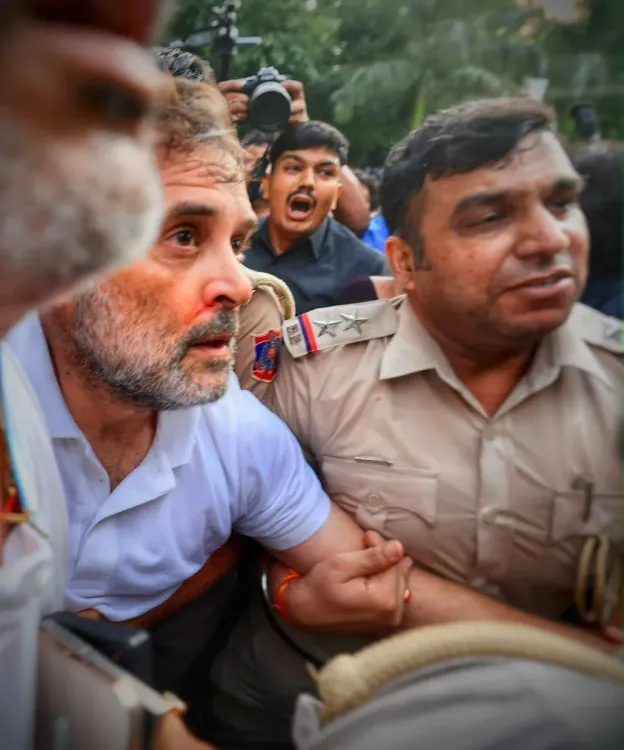
Himachal Pradesh Chief Minister Sukhvinder Singh Sukhu on 21 July 2026 condemned the arrest of Lok Sabha Opposition Leader Rahul Gandhi by Delhi Police, warning it raises serious concerns about democratic values, freedom of expression, and the constitutional sanctity of the opposition's role.
Key Takeaways
CM Sukhvinder Singh Sukhu called the arrest of Rahul Gandhi by Delhi Police 'extremely unfortunate' on 21 July 2026 .
Sukhu argued the arrest of a person in a constitutional position threatens democratic values and freedom of expression.
Delhi Police functions under the Union Home Ministry , not the Delhi state government, making it a central government instrument.
The Indian National Congress has formally opposed the arrest, with Sukhu describing Gandhi as a 'people's leader' ( jannayak ).
Legal challenges in higher courts and disruption of Lok Sabha proceedings are widely anticipated following the incident.
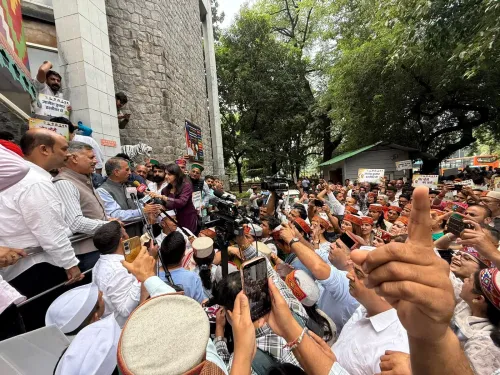
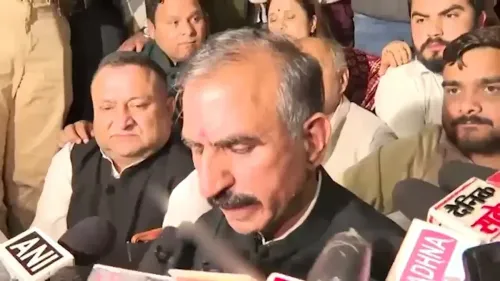
Himachal Pradesh Chief Minister Sukhvinder Singh Sukhu on Tuesday, 21 July 2026, strongly condemned the arrest of Leader of the Opposition in the Lok Sabha, Rahul Gandhi, by Delhi Police, calling it 'extremely unfortunate' and a matter of serious concern for democratic values in India.
Context
In a post on X, CM Sukhu wrote — 'लोकसभा में नेता प्रतिपक्ष श्री राहुल गांधी जी को दिल्ली पुलिस द्वारा गिरफ्तार किए जाने की घटना बेहद दुर्भाग्यपूर्ण है' — ('The arrest of Leader of the Opposition in the Lok Sabha, Rahul Gandhi, by Delhi Police is extremely unfortunate'). He argued that the role of the Leader of the Opposition in a democracy is to 'amplify the voice of the youth and ensure accountability from the government.'
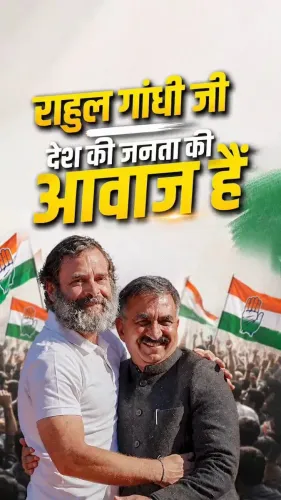
Sukhu further stated that the arrest of a person holding a constitutional position raises 'serious concerns' about democratic values and freedom of expression. He declared that the Indian National Congress opposes the arrest, describing Gandhi as 'जननायक' — a people's leader.
Policy Backdrop
Delhi Police operates under the jurisdiction of the Union Home Ministry, making it directly accountable to the central government rather than the elected Delhi government. This structural arrangement has historically been a focal point of political disputes, particularly when the police take action against opposition figures.
Rahul Gandhi has previously faced legal and institutional challenges: in March 2023, he was convicted in a criminal defamation case, leading to a temporary disqualification from the Lok Sabha before the Supreme Court stayed the conviction and he was reinstated. State-level Congress leaders have consistently issued statements criticising central agency actions against senior opposition politicians since 2019, reflecting a broader pattern of state-centre political friction.
Stakeholders and Impact
The arrest of the Leader of the Opposition — a constitutionally recognised position — carries significant political weight. Opposition legislators across parties are likely to view this as a direct challenge to parliamentary norms and the principle of a functioning opposition in a parliamentary democracy.
For the Indian National Congress, the incident provides a rallying point ahead of any forthcoming legislative sessions. Congress-governed states, including Himachal Pradesh, are expected to amplify their criticism through official channels, potentially tabling the matter in their respective state assemblies.
What's Next
Legal petitions in higher courts challenging the arrest are widely anticipated, given the constitutional status of the office held by Rahul Gandhi. Parliamentary proceedings when the Lok Sabha reconvenes are also expected to be disrupted, with the opposition likely to demand an explanation from the treasury benches.
The incident is set to intensify the ongoing debate over federal relations, institutional autonomy, and the limits of executive authority over central law enforcement agencies in India's parliamentary system.
Point of View
The fact that this involves the single most prominent opposition voice in the Lok Sabha elevates it beyond routine inter-party friction — it directly tests the constitutional safeguards meant to protect the functioning of parliamentary opposition. The episode is likely to deepen the fault lines between Union and Congress-governed states, and will sharpen the opposition's broader argument about the weaponisation of central institutions.
NationPress
20 Oct 2026
Frequently Asked Questions
Why was Rahul Gandhi arrested by Delhi Police?
The specific grounds for Rahul Gandhi's arrest by Delhi Police on 21 July 2026 have not been detailed in available public information. CM Sukhu condemned the arrest as 'extremely unfortunate' and a threat to democratic values.
What did CM Sukhu say about Rahul Gandhi's arrest?
CM Sukhvinder Singh Sukhu said the arrest of the Leader of the Opposition raises serious concerns about democratic values and freedom of expression, and declared that the Congress opposes it.
Does Delhi Police come under the central government or the Delhi government?
Delhi Police operates under the Union Home Ministry and is accountable to the central government, not the elected Delhi state government.
Has Rahul Gandhi faced legal action before?
Yes. In March 2023 , Rahul Gandhi was convicted in a criminal defamation case and temporarily disqualified from the Lok Sabha , before the Supreme Court stayed the conviction and he was reinstated.
What happens next after the arrest of the Leader of the Opposition?
Legal petitions in higher courts are anticipated, and opposition disruption of Lok Sabha proceedings is expected when Parliament reconvenes. Congress-governed states are also likely to escalate their political response.