CM Sukhu to table white paper on BJP-era paper leaks in HP
Synopsis
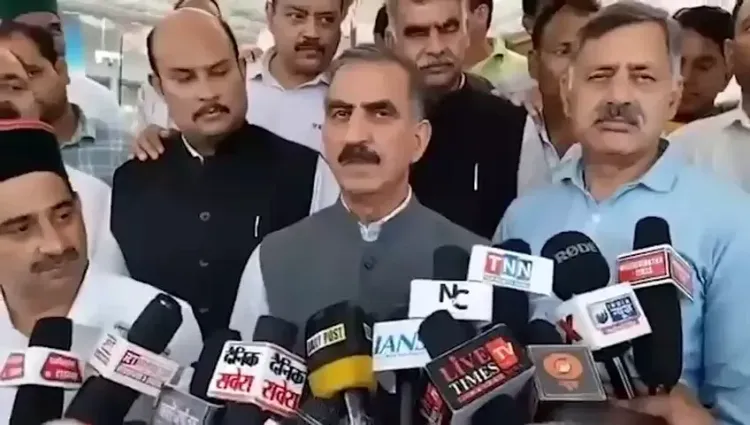
Himachal Pradesh CM Sukhvinder Singh Sukhu announced on 27 July 2026 that the state government will release a white paper on paper leaks, recruitment scams, and corruption during the previous BJP tenure, with a cabinet committee to be constituted shortly to prepare a public chargesheet.
Key Takeaways
CM Sukhu announced a white paper on paper leaks, recruitment scams, and corruption from the previous BJP government's tenure in Himachal Pradesh .
A formal committee will be constituted and a proposal brought before the cabinet shortly.
The white paper will include a detailed chargesheet naming those responsible, to be placed before the public.
Students aged 16 to 18 years were identified as the worst-affected group by paper leak incidents.
The government previously held a candle march in solidarity with students who protested for justice.
The initiative follows the Congress government's broader review of administrative processes since taking power in December 2022 .
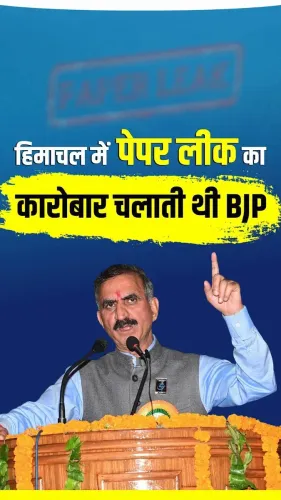
Himachal Pradesh Chief Minister Sukhvinder Singh Sukhu announced on Monday, 27 July 2026, that the state government will release a white paper documenting paper leaks, recruitment scams, and corruption that allegedly occurred during the previous Bharatiya Janata Party tenure, and will constitute a committee to prepare a detailed chargesheet for public accountability.
Context
In his post, CM Sukhu stated — 'पेपर लीक जैसी घटनाओं ने सबसे अधिक हमारे 16 से 18 वर्ष के मेहनती विद्यार्थियों के भविष्य को प्रभावित किया है' ['Incidents such as paper leaks have most severely affected the futures of our hardworking students aged 16 to 18 years']. He added that when these students struggled for justice, the state government stood firmly beside them. He also referenced a candle march held in solidarity with the affected youth.
The Chief Minister affirmed that a cabinet proposal will be brought forward shortly to formalise the committee, and that all facts and names of the guilty will be compiled into a detailed chargesheet to be placed before the 'court of the public' — 'जनता की अदालत' — so that the people of Himachal Pradesh can know the truth.
Policy Backdrop
The Indian National Congress government, which came to power in Himachal Pradesh after defeating the BJP in the December 2022 assembly elections, has since been reviewing administrative and recruitment processes from the prior regime. Paper leak controversies have emerged as a recurring governance concern across multiple Indian states, disproportionately harming students from economically weaker backgrounds who invest heavily in competitive examinations.
Newly elected state governments in India have a precedent of releasing white papers to document alleged irregularities of predecessor administrations. Such exercises serve both as administrative audits and as instruments of political accountability, placing the burden of public scrutiny on the outgoing party's record.
Stakeholders and Impact
The most directly affected stakeholders are students aged 16 to 18 years who appeared for examinations that were compromised by leaks, and job aspirants whose recruitment processes were allegedly tainted. For these groups, the white paper represents a formal acknowledgement of harm done and a promise of documented accountability.
The BJP, as the party whose tenure is under scrutiny, stands to face significant political and reputational pressure once the chargesheet is made public. The exercise also signals to the broader electorate that the Congress government intends to differentiate itself on the issue of examination integrity and clean governance ahead of future electoral cycles.
What's Next
The immediate milestone is cabinet approval for the proposed committee, after which the panel will compile facts and prepare the chargesheet. The subsequent public release of the white paper will be the defining moment — its specificity, the names it names, and the evidence it presents will determine how much political and legal weight it carries.
Civil society groups and student organisations in Himachal Pradesh are likely to watch the committee's composition closely as an indicator of its independence and credibility.
Point of View
' the Congress government is building a political narrative around transparency while simultaneously pressuring the BJP ahead of future elections. The candle march reference is notable: it signals that the government has already invested in visible solidarity with students, making the white paper a logical next step in that arc. Whether the exercise translates into legal consequences or remains primarily political will depend entirely on the committee's independence and the quality of evidence compiled.
NationPress
27 Jul 2026
Frequently Asked Questions
What is the Himachal Pradesh white paper on paper leaks about?
The white paper will document paper leaks, recruitment scams, and corruption that allegedly took place during the previous BJP government's tenure in Himachal Pradesh. CM Sukhu announced it will include a detailed chargesheet naming those responsible.
When will the Himachal Pradesh paper leak white paper be released?
An exact release date has not been announced. CM Sukhu stated that a committee will be constituted and a cabinet proposal will be brought forward shortly, after which the white paper will be prepared.
Which students were affected by paper leaks in Himachal Pradesh?
CM Sukhu specifically identified students aged 16 to 18 years as the most severely affected group, referring to those who appeared for examinations that were compromised by leaks.
What action did the HP government take in support of paper leak victims?
According to CM Sukhu's post, the state government stood firmly with students who protested for justice and organised a candle march in solidarity with them.
What is the BJP's role in the Himachal Pradesh paper leak controversy?
The BJP governed Himachal Pradesh from 2017 to 2022. The Congress government's white paper targets alleged irregularities — including paper leaks and recruitment scams — that it says occurred during that period.