CM Sukhu Urges HP Private Varsities to Align Research With State Needs
Synopsis
CM Sukhvinder Singh Sukhu addressed private university heads and students in Solan on 25 September 2026, urging research on climate, water, horticulture and disaster management, and demanding industry-aligned curriculum updates to boost youth employment.
Key Takeaways
CM Sukhu attended a conference in Solan on 25 September 2026 on the role of private universities and the state's regulatory commission.
He urged universities to focus research on water conservation, climate change, disaster management, sustainable tourism, renewable energy, horticulture, health and environment .
Private universities were asked to continuously update curricula in line with industry needs to improve graduate employability and self-employment prospects.
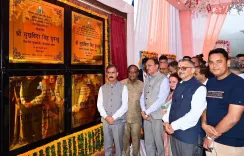
Sukhu viewed an exhibition of research and patents produced by private universities at the conference.
The push aligns with the National Education Policy 2020 mandate for region-relevant research and industry-linked higher education.
Follow-up actions — including possible new research funding frameworks and curriculum revision timelines — are the key developments to watch.
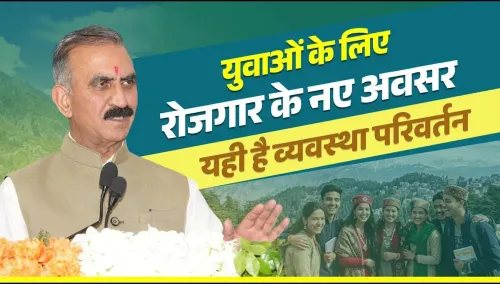
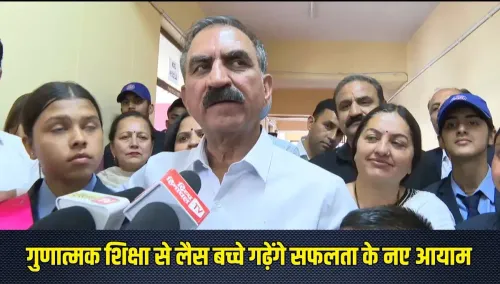
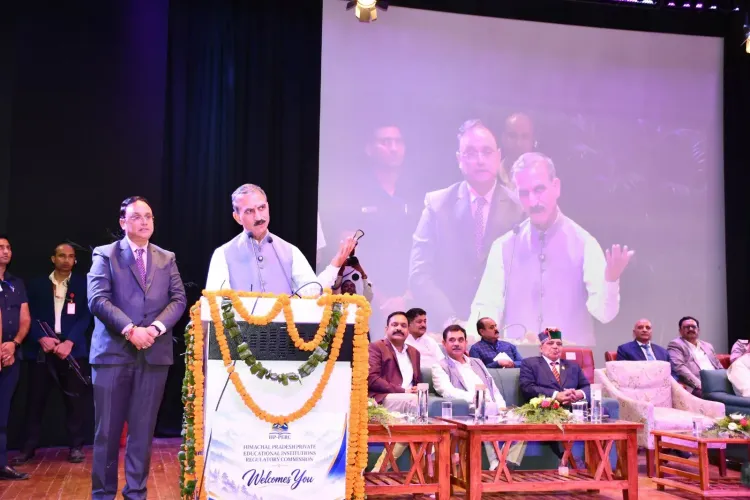
At a time when Himachal Pradesh faces mounting pressures from climate shifts, disaster risk, and youth unemployment, Himachal Pradesh Chief Minister Sukhvinder Singh Sukhu stood before private university heads and students in Solan on Friday, 25 September 2026, and delivered a pointed message: academia must earn its place by solving the state's real problems.
Speaking at a conference on the theme of the institutional role of the Himachal Pradesh Private Educational Institutions Regulatory Commission and private universities — their contributions, future priorities, and collaborative frameworks — Sukhu called on institutions across the state to root their research agendas in Himachal's lived realities. 'Research and innovation happening in our universities must serve the needs of Himachal,' he urged, naming water conservation, climate change, disaster management, sustainable tourism, renewable energy, horticulture, health, and environment as the domains where academic output would carry the sharpest real-world value.
Curriculum Stuck in the Past? Sukhu Says Update It Now
The Chief Minister's second call to action was directed squarely at employability. He urged private universities to continuously revise their curricula in step with industry requirements, ensuring that graduates walk into a job market — or into self-employment — with skills that actually fit demand. The argument is not new, but the setting gave it weight: Himachal's youth employment challenge is acute, and private universities, which have proliferated in the state over the past decade, hold significant leverage over how thousands of graduates are prepared each year.
This push aligns closely with the architecture of the National Education Policy 2020, which directed higher-education institutions across India to prioritise region-relevant research and build outcome-oriented, industry-linked programmes. Himachal Pradesh's geography — seismically active, ecologically fragile, heavily dependent on horticulture and seasonal tourism — makes the case for localised research even more compelling than it might be in a plains state.
Patents, Prototypes, and the Research Exhibition at Solan
The conference was not only about speeches. Sukhu also walked through an exhibition of research and patents mounted by private universities — a visible demonstration of what the sector has already produced, and an implicit benchmark for what it must do more of. The display of research outputs at a government-convened forum signals an intent to institutionalise accountability: private universities are being asked not just to promise innovation, but to show it.
The Solan conference brings together the regulatory commission, university leadership, industry representatives, and students under one roof — a format designed to close the feedback loop between the people who design curricula, the employers who absorb graduates, and the young people whose futures hang in the balance. Whether follow-through materialises in concrete curriculum revisions, new state research grants, or formal academia-industry partnerships will determine whether Friday's gathering was a turning point or another well-attended conversation.
Himachal Pradesh is watching — and so are the thousands of students whose career trajectories may ultimately be shaped by the answers this commission and its universities choose to give.
Point of View
Glacial melt, horticultural economy — the CM is effectively mapping an institutional research agenda for the sector, borrowing the logic of NEP 2020 but localising it with political urgency. The inclusion of a patent exhibition signals a move toward output-based accountability, which, if formalised, could reshape how the regulatory commission evaluates institutional performance. The real test will be whether the government backs the rhetoric with state funding for collaborative research and enforceable curriculum-review cycles.
NationPress
25 Sept 2026
Frequently Asked Questions
What was the Solan education conference about on 25 September 2026?
The conference in Solan focused on the institutional contribution of private universities and the Himachal Pradesh Private Educational Institutions Regulatory Commission, covering future priorities and collaborative working methods between academia, government and industry.
What research areas did CM Sukhu ask Himachal universities to focus on?
CM Sukhu urged universities to prioritise research in water conservation, climate change, disaster management, sustainable tourism, renewable energy, horticulture, health and environment — all areas with direct relevance to Himachal Pradesh's challenges.
Why is the Himachal Pradesh Private Educational Institutions Regulatory Commission important?
It is the state regulatory body overseeing private educational institutions and universities in Himachal Pradesh, tasked with ensuring quality, accountability and alignment with state and national education goals.
How does NEP 2020 relate to CM Sukhu's call for curriculum updates?
The National Education Policy 2020 directed higher-education institutions to prioritise region-relevant research and continuously update curricula for employability — the same objectives CM Sukhu invoked when addressing private universities in Solan.
What did the research and patent exhibition at the Solan conference show?
Private universities displayed their research outputs and patents at an exhibition during the conference, which CM Sukhu observed — an exercise designed to demonstrate current academic productivity and set a benchmark for future innovation.