Bengal CM Suvendu Adhikari orders bureaucrats to shed political bias
Synopsis
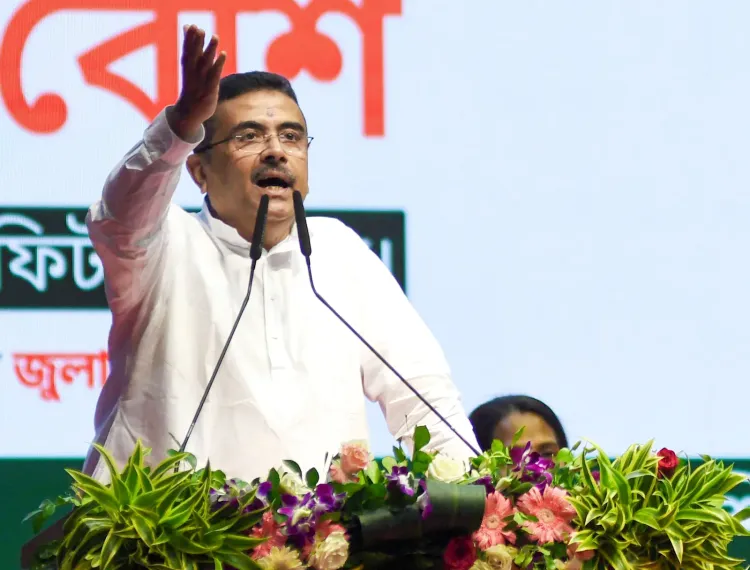
On his first day addressing West Bengal's civil service cadre, new Chief Minister Suvendu Adhikari drew a sharp line: no political interference in bureaucracy — not even from his own party. With performance-linked postings and a zero-corruption directive, it is the most direct administrative reset signal from a new Bengal CM in recent memory.
Key Takeaways
CM Suvendu Adhikari met West Bengal Civil Service (WBCS) officers on 1 July in his first such interaction as the state's ninth Chief Minister .
He directed bureaucrats to function without political bias — explicitly including bias towards his own ruling party.
Adhikari stated the new government would not use state machinery for narrow political purposes, contrasting his approach with the previous Mamata Banerjee–TMC administration.
Career rewards for WBCS officers will henceforth be based solely on performance , not political affiliation, according to the Chief Minister.
Officers were specifically instructed to avoid unnecessary public expenditure and remain completely free from corruption in matters involving the state exchequer.
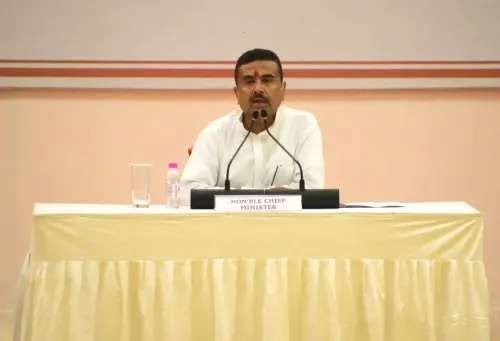
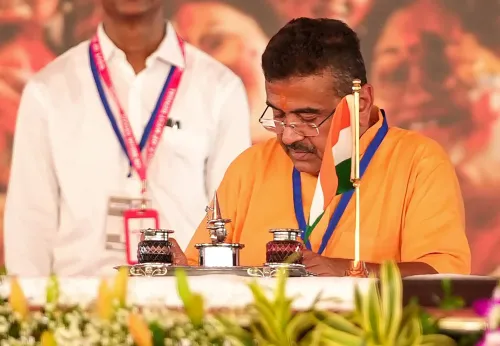
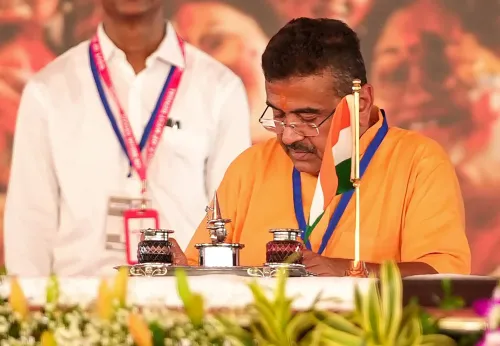
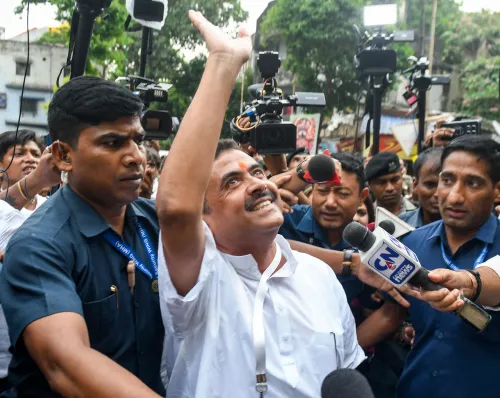
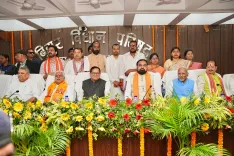
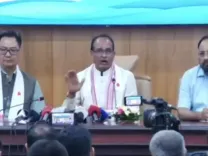
West Bengal Chief Minister Suvendu Adhikari on Wednesday, 1 July directed officers of the West Bengal Civil Service (WBCS) to function impartially and free from political influence — including from his own ruling party — in his first formal meeting with the state cadre since assuming office as the state's ninth Chief Minister. The directive signals an early attempt by the new administration to distance itself from governance practices associated with the previous regime.
What the Chief Minister Said
According to a WBCS officer present at the meeting, Adhikari explicitly stated that his government would not deploy the state machinery for partisan ends — a pointed contrast to the Mamata Banerjee-led All India Trinamool Congress (TMC) administration that preceded it.
'The Chief Minister clearly stated that neither he nor the new state government led by him believes in turning bureaucrats into political cadres like the previous regime. Rather, the Chief Minister emphasised that attention should be paid to ensuring that public services are provided without any sort of political bias and that a radical change is brought in the style of administrative functioning witnessed during the previous regime,' the officer said.
Professional Respect and Performance-Linked Rewards
Adhikari also assured WBCS officers that the new government would accord them professional status and respect commensurate with their seniority. He reportedly indicated that career rewards would henceforth be tied strictly to individual performance rather than political alignment.
The Chief Minister acknowledged, according to those present, that several capable officers had been unable to function effectively under the previous government due to what he described as undue pressure from the then-ruling party. He said he remained open to suggestions from bureaucrats for the overall development of West Bengal.
Fiscal Discipline and Anti-Corruption Directive
Beyond administrative conduct, Adhikari specifically instructed WBCS officers to exercise restraint in public expenditure — avoiding what he termed unnecessary and unproductive spending from the state exchequer. He concluded the meeting with a direct instruction that officers must remain completely free from corruption in all matters involving public funds.
Context and Significance
The meeting comes at a politically charged moment for West Bengal, where the Bharatiya Janata Party (BJP) has long accused the outgoing TMC government of politicising the bureaucracy and using state machinery to suppress opposition. Critics of the TMC have cited multiple instances of alleged administrative partisanship during its tenure. Adhikari's opening address to the civil service cadre appears calibrated to set a new institutional tone, though independent observers note that the proof will lie in structural reforms rather than opening-day messaging. How the new administration handles transfers, postings, and departmental accountability will be the true test of its stated commitment to apolitical governance.
Point of View
Posting patterns, and whether officers who resisted political pressure under the previous regime are rehabilitated or quietly sidelined. A single meeting sets a tone; institutional reform requires a paper trail. Until that trail exists, this is a promise, not a policy.
NationPress
2 Jul 2026
Frequently Asked Questions
What did CM Suvendu Adhikari tell WBCS officers at his first meeting?
Chief Minister Suvendu Adhikari directed West Bengal Civil Service officers on 1 July to work impartially and without political bias, including from his own government. He also linked future career rewards to performance and instructed officers to avoid corruption and unnecessary public expenditure.
Who are WBCS officers and why does this directive matter?
West Bengal Civil Service officers are the state-level administrative cadre responsible for implementing government policy at the district and sub-district level. A directive to depoliticise their functioning is significant because the bureaucracy's independence directly affects public service delivery across the state.
How does Adhikari's approach differ from the previous Mamata Banerjee government?
According to a WBCS officer present at the meeting, Adhikari explicitly stated that his government would not turn bureaucrats into political cadres — a direct contrast to what he characterised as the practice under the Mamata Banerjee–led TMC administration. The BJP had long alleged that the TMC used state machinery for partisan purposes.
Will bureaucrats be rewarded differently under the new Bengal government?
Yes, according to what was communicated at the meeting. Adhikari reportedly indicated that postings and career advancement for WBCS officers would be based solely on individual performance, departing from what critics described as politically motivated transfers under the previous regime.
What anti-corruption measures did CM Adhikari announce for the civil service?
Adhikari specifically instructed WBCS officers to exercise caution in spending from the state exchequer, avoid unproductive expenditure, and remain completely free from corruption in all financial matters. No formal mechanism or oversight body was announced at this stage, according to reports from the meeting.