CM Tamang Inspects Teesta Stage VI Tunnel After Fatal July 20 Accident
Synopsis
Sikkim Chief Minister Prem Singh Tamang and Governor Om Prakash Mathur inspected the NHPC Teesta Stage VI tunnel in Namchi District on July 21, 2026, a day after a fatal accident. The state announced a high-level enquiry and ex-gratia relief for victims' families under NDRF norms, with multi-agency rescue operations ongoing.
Key Takeaways
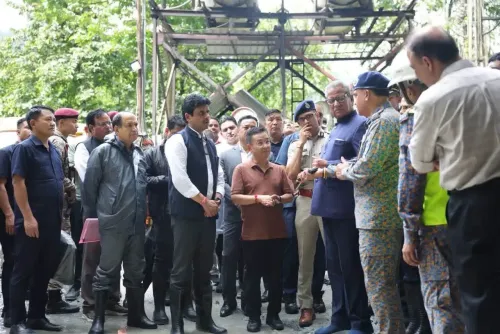
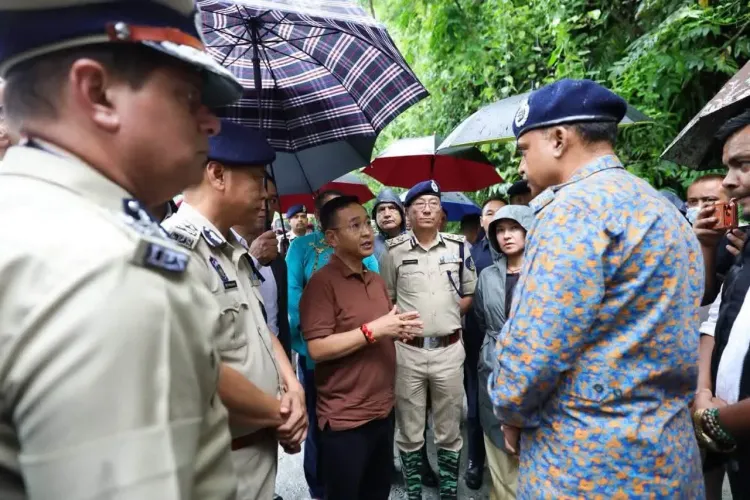
Sikkim CM Prem Singh Tamang and Governor Om Prakash Mathur conducted a joint site inspection on July 21, 2026 at the NHPC Teesta Stage VI tunnel in Samardung, Jholungey, Namchi District .
A tunnel accident on July 20 claimed the lives of several workers at the under-construction hydropower project.
The State Government will constitute a high-level enquiry committee to determine the exact cause of the incident.
Ex-gratia assistance will be extended to the families of deceased workers in accordance with NDRF norms .
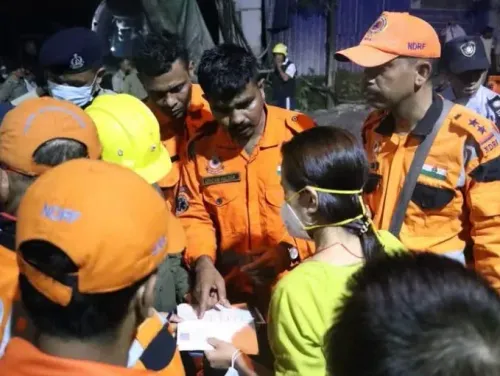
Rescue operations are being conducted by NDRF, SDRF, Sikkim Police , a Mine Safety team from Asansol , and local agencies.
CM Tamang tagged PM Modi, Home Minister Shah , and Power Minister Scindia , seeking central coordination and attention.
Sikkim Chief Minister Prem Singh Tamang on Tuesday, July 21, 2026, conducted a joint inspection with Governor Om Prakash Mathur of the under-construction tunnel at the NHPC Teesta Stage VI Hydroelectric Project in Samardung, Jholungey, Namchi District, following a tragic accident on July 20 that claimed the lives of several workers.
Context
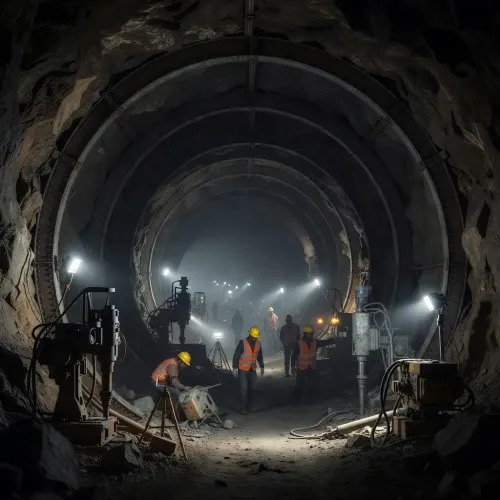
The July 20 incident occurred inside a tunnel being bored as part of the NHPC Teesta Stage VI Hydroelectric Project, a major under-construction hydropower scheme on the Teesta river in southern Sikkim. Chief Minister Tamang and Governor Mathur visited the site together to assess conditions on the ground and review the status of ongoing relief and rescue operations.
In his post, CM Tamang stated that the State Government will 'constitute a high-level enquiry committee to ascertain the exact cause of this unfortunate incident' and will 'extend ex gratia assistance to the families of the deceased workers in accordance with NDRF norms.'
Policy Backdrop
Ex-gratia payments in industrial disasters involving central infrastructure projects are governed by the Disaster Management Act, 2005, which established the National Disaster Response Force (NDRF) and set norms for state compensation responses. The announcement of a high-level enquiry committee and NDRF-norm compensation follows standard disaster-management protocol for remote infrastructure accidents.
NHPC — the National Hydroelectric Power Corporation — is a central public sector undertaking responsible for constructing the Teesta Stage VI project. Tunnel construction through the fragile Himalayan geology of Sikkim carries inherent geological risks, and the state has seen periodic construction accidents across its cascade of Teesta hydropower projects.
Stakeholders and Impact
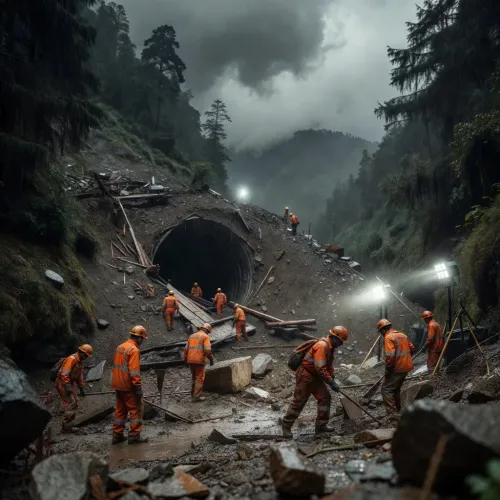
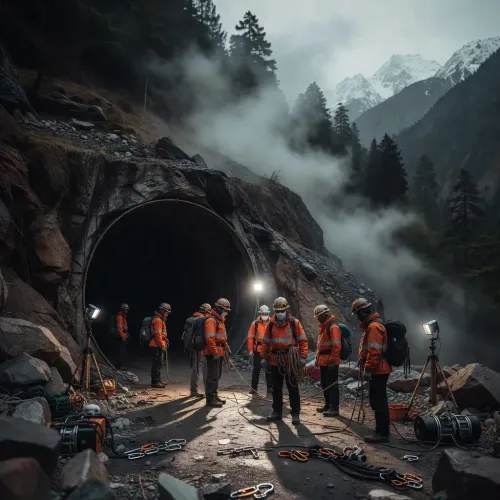
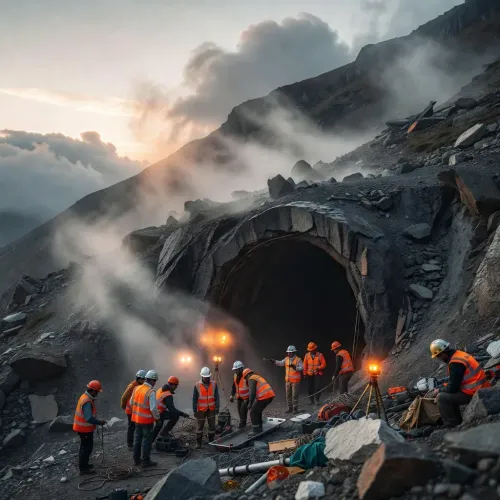
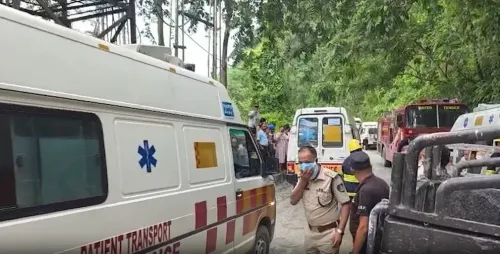
The District Administration of Namchi, in coordination with the NDRF, State Disaster Response Force (SDRF), Sikkim Police, a Mine Safety team from Asansol, local residents, and other emergency agencies, is conducting rescue operations at the site. The multi-agency mobilisation, including specialised mine safety expertise from Asansol, indicates the technical complexity of the tunnel rescue.
The most immediate stakeholders are the families of the deceased workers, who are entitled to ex-gratia relief under NDRF norms. Construction workers employed on other NHPC Sikkim tunnel projects may also be affected depending on any safety directives that emerge from the enquiry.
What's Next
The State Government is expected to formally constitute the high-level enquiry committee in the coming days, with its findings likely to determine accountability and inform tunnel-safety protocols across NHPC's other active projects in Sikkim. Disbursement of ex-gratia payments to the bereaved families will be closely watched as a measure of the administration's follow-through.
CM Tamang tagged Prime Minister Narendra Modi, Home Minister Amit Shah, Power Minister Jyotiraditya Scindia, and the PMO and HMO offices in his post, signalling that the state is seeking central government attention and coordination on both the rescue effort and the broader accountability process. The outcome of the enquiry committee could set a precedent for how tunnel accidents at centrally-funded hydropower projects in Himalayan states are handled going forward.
Point of View
Not just administrative routine. By tagging central ministers and the PMO, CM Tamang is simultaneously escalating the matter to New Delhi and positioning the state as a proactive partner in the response, which could help unlock faster central resources. The announced high-level enquiry will be the key test: whether it results in binding safety reforms for Himalayan tunnel projects or remains a procedural exercise will define the longer-term legacy of this response. Given Sikkim's vulnerability to geological hazards and its dense pipeline of hydropower projects, the findings could carry implications well beyond this single incident.
NationPress
21 Jul 2026
Frequently Asked Questions
What happened at the NHPC Teesta Stage VI tunnel in Sikkim?
A tragic accident on July 20, 2026 inside the under-construction tunnel of the NHPC Teesta Stage VI Hydroelectric Project at Samardung, Jholungey in Namchi District claimed the lives of several workers. Rescue operations are ongoing.
What action is the Sikkim government taking after the tunnel accident?
The Sikkim State Government has announced the constitution of a high-level enquiry committee to determine the exact cause of the accident and will provide ex-gratia assistance to the families of deceased workers in accordance with NDRF norms .
Who is conducting the rescue operations at the Teesta Stage VI tunnel?
Rescue operations are being carried out by a multi-agency team comprising the NDRF, SDRF, Sikkim Police , a Mine Safety team from Asansol , local residents, and other emergency agencies, coordinated by the Namchi District Administration .
What is the NHPC Teesta Stage VI Hydroelectric Project?
The NHPC Teesta Stage VI Hydroelectric Project is an under-construction hydropower scheme on the Teesta river in Namchi District, Sikkim , being built by the National Hydroelectric Power Corporation (NHPC) , a central public sector undertaking.
What is ex-gratia under NDRF norms in India?
Under the Disaster Management Act, 2005 , NDRF norms prescribe standardised compensation amounts that state governments disburse to the families of those who die in declared disasters or industrial accidents, serving as immediate financial relief separate from any legal claims.