CM Tamang Briefs Amit Shah on Teesta Stage VI Tunnel Rescue
Synopsis
Sikkim Chief Minister Prem Singh Tamang disclosed on 21 July 2026 that Union Home Minister Amit Shah called him to review a tunnel incident at the NHPC Teesta Stage VI Hydroelectric Project in Namchi District. Shah assured full central government assistance as NDRF-led rescue operations continue at the site.
Key Takeaways
Union Home Minister Amit Shah called Sikkim CM Prem Singh Tamang on 21 July 2026 to review a tunnel incident at the NHPC Teesta Stage VI Hydroelectric Project .
The incident occurred at Samardung, Jholungey in Namchi District , southern Sikkim.
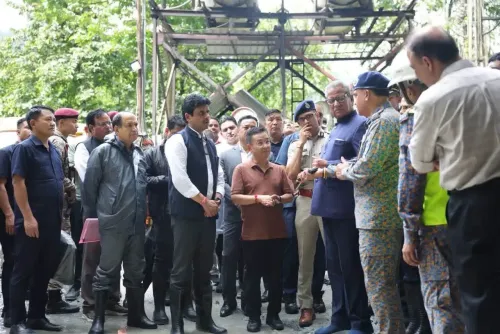
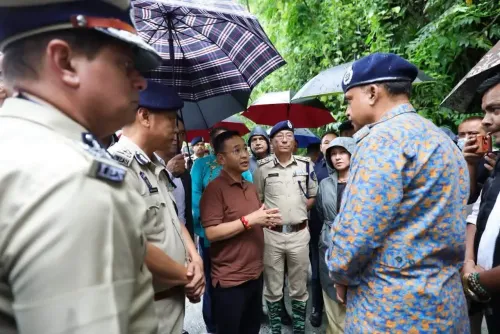
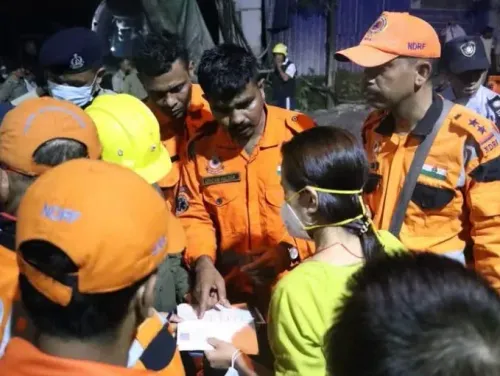
CM Tamang briefed Shah on rescue operations being conducted by the State Government in coordination with the NDRF and other agencies.
Shah expressed deep concern and assured every possible assistance from the Government of India .
The NHPC Teesta Stage VI project is part of India's Northeast hydropower expansion in geologically fragile Himalayan terrain.
Central-state emergency coordination through the Home Ministry mirrors the response pattern established during the October 2023 Teesta glacial lake outburst flood.
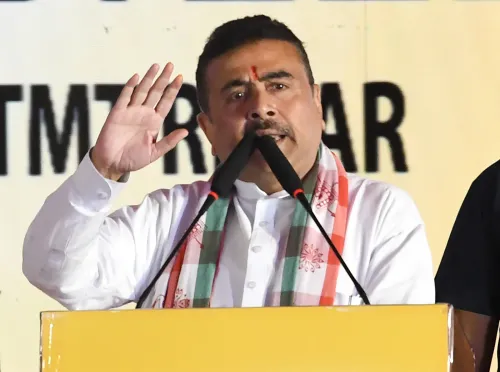
Sikkim Chief Minister Prem Singh Tamang on Tuesday, 21 July 2026, informed that Union Home Minister Amit Shah personally called him to review the situation following a tragic incident at the under-construction tunnel of the NHPC Teesta Stage VI Hydroelectric Project at Samardung, Jholungey in Namchi District. Shah assured the Chief Minister of every possible assistance from the Government of India as rescue operations continue on the ground.
Context
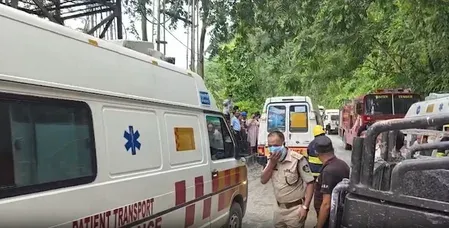
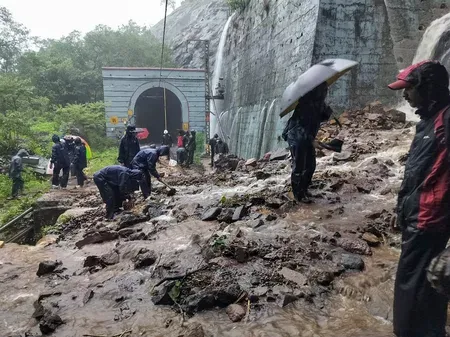
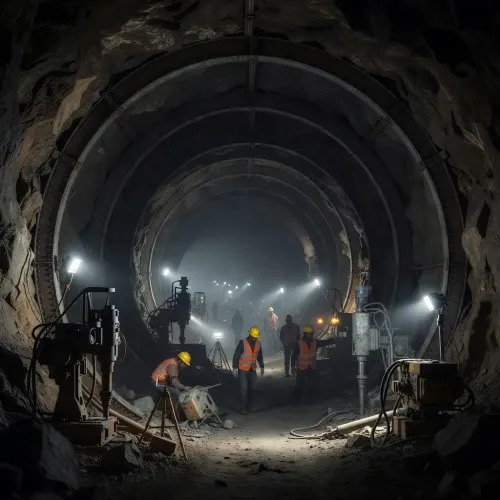
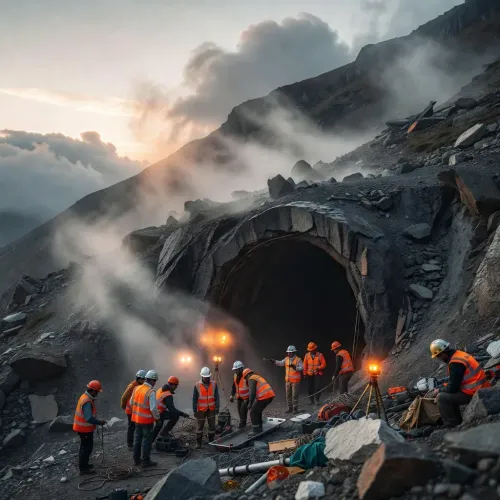
The incident occurred at a tunnel site belonging to the NHPC Teesta Stage VI Hydroelectric Project, located in the Samardung and Jholungey areas of Namchi District in southern Sikkim. Chief Minister Tamang stated that he briefed the Home Minister on the ongoing rescue operations and the coordinated efforts being undertaken by the State Government in conjunction with the National Disaster Response Force (NDRF) and other dedicated agencies. The nature and scale of the incident, including casualty details, are yet to be officially confirmed.
In his post on X, Tamang wrote: 'I sincerely thank the Hon'ble Union Home Minister for his continued support and concern for the people of Sikkim during this difficult time.' The communication underscores the seriousness with which both the state and central governments are treating the situation.
Policy Backdrop
NHPC, the public sector hydroelectric company under the Ministry of Power, has been developing multiple Teesta river projects in Sikkim as part of India's broader Northeast hydropower expansion strategy. The Teesta Stage VI project is one of several under-construction facilities in the region, which sits in geologically fragile Himalayan terrain prone to floods, landslides, and tunnel-related risks.
Sikkim's vulnerability to such incidents was starkly demonstrated in October 2023, when a glacial lake outburst flood swept through the Teesta valley, prompting central government deployment of the NDRF and coordinated relief assistance — a pattern now repeating with this latest tunnel emergency. Central-state emergency coordination routed through the Home Ministry has become a recurring mechanism for managing infrastructure-related incidents in the Northeast.
Stakeholders and Impact
The most immediate stakeholders are construction workers at the tunnel site and local communities in the Namchi District area. The NDRF, which has been India's primary specialised rescue agency since 2006, is actively deployed alongside state administration teams to conduct rescue operations. The involvement of the Home Minister signals that the incident is being treated as a significant emergency requiring central-level attention.
For NHPC and the broader hydropower sector, the incident is likely to invite scrutiny over construction safety protocols in Himalayan tunnel projects, particularly given the challenging geological conditions in Sikkim. Workers employed at under-construction hydro projects across the Northeast operate in environments where such risks are persistently elevated.
What's Next
The immediate priority remains the outcome of the ongoing rescue operations at the Teesta Stage VI tunnel site. Chief Minister Tamang's direct communication with Amit Shah indicates that central resources and support are on standby, and any escalation in the situation could trigger additional deployments or formal announcements of assistance from New Delhi. Authorities are expected to provide further updates on the rescue status and the condition of those affected as operations progress.
Longer term, the incident may prompt a safety review of under-construction hydroelectric tunnels across Sikkim and the wider Northeast, especially in light of the region's history of seismic and hydrological hazards. The central government's response in the coming days will be closely watched by infrastructure developers and state administrations managing similar projects in fragile Himalayan corridors.
Point of View
Not merely a state emergency. This mirrors the centre-state coordination template established after the devastating October 2023 Teesta glacial lake outburst, suggesting New Delhi has institutionalised a rapid-response posture for Sikkim's hydropower corridor. The incident also shines a light on the persistent safety risks embedded in India's ambitious Northeast hydropower expansion, where construction timelines often outpace geological risk assessments. How swiftly the rescue concludes and whether a formal safety audit follows will test the credibility of the centre's assurances.
NationPress
20 Oct 2026
Frequently Asked Questions
What happened at the NHPC Teesta Stage VI tunnel in Sikkim?
A tragic incident occurred at the under-construction tunnel of the NHPC Teesta Stage VI Hydroelectric Project at Samardung, Jholungey in Namchi District, Sikkim, prompting rescue operations by the NDRF and state agencies. Specific details of the incident, including casualty figures, have not been officially confirmed.
Why did Amit Shah call Sikkim CM Prem Singh Tamang?
Union Home Minister Amit Shah called Chief Minister Prem Singh Tamang on 21 July 2026 to review the situation following the tunnel incident and to be briefed on the ongoing rescue efforts. Shah assured the Chief Minister of every possible assistance from the Government of India.
Who is conducting the rescue at the Teesta Stage VI tunnel?
The rescue operations are being conducted by the State Government of Sikkim in coordination with the National Disaster Response Force (NDRF) and other dedicated agencies deployed at the Samardung, Jholungey site in Namchi District.
What is the NHPC Teesta Stage VI Hydroelectric Project?
The Teesta Stage VI Hydroelectric Project is an under-construction hydroelectric facility being developed by NHPC, a public sector company under the Ministry of Power, as part of India's Northeast hydropower expansion strategy in Sikkim's Himalayan terrain.
Has Sikkim faced similar disasters before?
Yes. In October 2023, a glacial lake outburst flood devastated Sikkim's Teesta valley, triggering central government deployment of the NDRF and coordinated relief — establishing the same centre-state emergency coordination mechanism now being activated for the Teesta Stage VI tunnel incident.