CM Uttarakhand: Ayurveda Centre in Almora Expanding Care
Synopsis
The Uttarakhand government is spotlighting the Ayurveda Utkrishtha Kendra in Shail, Almora, as a trusted centre for accessible and affordable traditional healthcare, reflecting the state's ongoing push to mainstream Ayurveda under national AYUSH policy frameworks.
Key Takeaways
The Chief Minister's Office of Uttarakhand on 10 July 2026 highlighted the state's sustained effort to promote Ayurveda and traditional medicine.
The Ayurveda Utkrishtha Kendra in Shail, Almora is being positioned as a hub for better, accessible, and affordable healthcare.
Almora district has a longstanding tradition of medicinal plant use, making it a natural base for Ayurveda-focused care.
The initiative aligns with the National AYUSH Mission (launched 2015 ) and Uttarakhand's AYUSH policy from 2016 onward.
Rural patients and residents of hilly districts are the primary beneficiaries, with reduced geographic and financial barriers to care.
The centre may serve as a replicable model for district-level Ayurveda infrastructure across other hill districts of Uttarakhand.
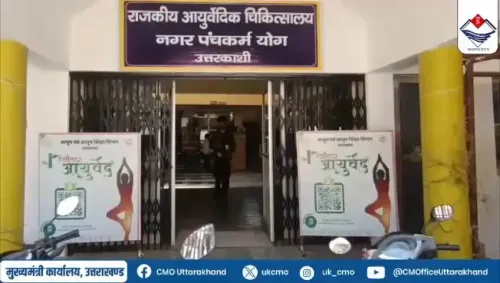
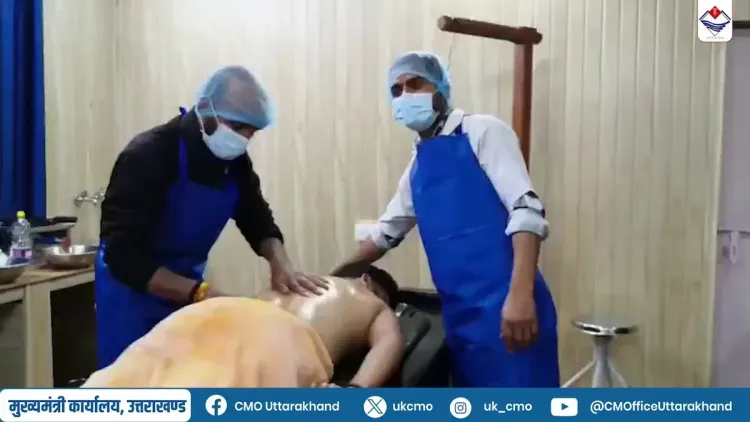
The Chief Minister's Office of Uttarakhand on Friday, 10 July 2026, highlighted the state government's sustained push to elevate Ayurveda and traditional medicine, spotlighting the Ayurveda Utkrishtha Kendra in Shail, Almora as an emerging hub for better, accessible, and affordable healthcare.
Context
The post, shared from the official CMO handle, states that the Uttarakhand government is "lagatar karya kar rahi hai" (continuously working) to give Ayurveda and traditional medicine a new identity. It specifically names the Ayurveda Utkrishtha Kendra at Shail in Almora district as a centre that is 'emerging as a trusted hub of better, accessible, and affordable health services.'
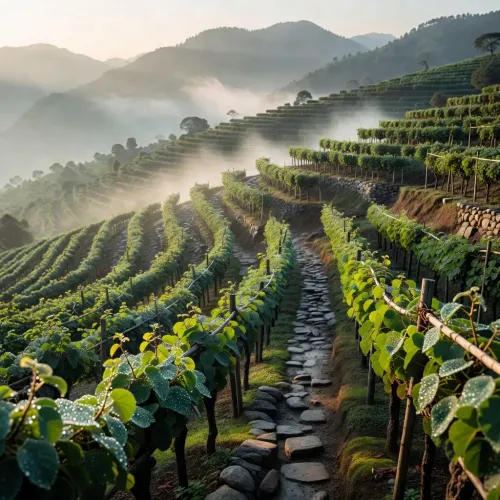
Almora is a hilly district in the Kumaon division of Uttarakhand with a long tradition of using locally sourced medicinal plants and indigenous healing practices. The district's terrain and biodiversity make it a natural fit for an Ayurveda-focused healthcare facility.
Policy Backdrop
The Uttarakhand government's focus on Ayurveda is part of a broader national and state-level policy arc. The National AYUSH Mission, launched in 2015, was designed to strengthen infrastructure for traditional medicine systems at the state level, with Himalayan states like Uttarakhand identified as priority regions given their rich medicinal plant heritage.
The Ministry of AYUSH, established by the Central government in 2014, has worked to mainstream Ayurveda, Yoga, Unani, Siddha, and Homoeopathy into the national healthcare framework. Uttarakhand's own AYUSH policy initiatives from 2016 onward have emphasised herbal cultivation and the establishment of district-level wellness centres — of which the Shail centre is a visible example.
Under the National Health Policy framework, India has pursued integration of AYUSH systems into public health delivery, with particular attention to remote and hilly regions where modern tertiary care infrastructure remains sparse.
Stakeholders and Impact
The primary beneficiaries of the Ayurveda Utkrishtha Kendra are rural patients and residents of Almora district, many of whom face geographic and financial barriers to accessing conventional healthcare. For communities in hilly terrain, a locally rooted, affordable Ayurvedic facility can serve as a critical first point of care.
AYUSH practitioners in the region also stand to benefit from institutional support, better infrastructure, and a formalised patient base. Himalayan states have additionally leveraged such centres to position themselves in the growing wellness and medical tourism segment, attracting visitors seeking traditional healing in a natural Himalayan setting.
What's Next
The CMO's communication signals continued government attention to district-level Ayurveda infrastructure across Uttarakhand. Analysts watching the sector will look for further rollout of similar centres in other districts and potential integration of these facilities into state health budgets or the National Health Mission framework in coming fiscal cycles.
As Uttarakhand positions itself at the intersection of traditional medicine and accessible public health, the Shail Ayurveda Utkrishtha Kendra may serve as a replicable model for other hill districts seeking affordable, culturally rooted healthcare solutions.
Point of View
Using a district-level facility as proof of on-ground delivery. Highlighting a specific centre in a remote hill district — rather than a policy announcement — suggests an intent to demonstrate tangible outcomes rather than just intent. This fits a broader pattern among Himalayan state governments of leveraging traditional medicine as both a public health tool and a soft-power asset tied to wellness tourism. The move also positions the state favourably ahead of potential National Health Mission budget reviews, where AYUSH integration is an assessed parameter.
NationPress
10 Jul 2026
Frequently Asked Questions
What is the Ayurveda Utkrishtha Kendra in Almora?
The Ayurveda Utkrishtha Kendra is a specialised Ayurvedic healthcare centre located in Shail, Almora district, Uttarakhand, focused on providing accessible and affordable traditional medicine services to local residents.
What is the National AYUSH Mission?
The National AYUSH Mission was launched in 2015 by the Central government to strengthen state-level infrastructure for Ayurveda, Yoga, Unani, Siddha, and Homoeopathy, with a focus on remote and underserved regions including Himalayan states.
Why is Uttarakhand focusing on Ayurveda?
Uttarakhand has rich Himalayan biodiversity and a tradition of medicinal plant use, making it well-suited for Ayurveda promotion. The state has pursued AYUSH policy initiatives since 2016, aligning with central schemes for affordable primary healthcare in hilly areas.
Who benefits from Ayurveda centres in hilly districts?
Rural patients and residents of hill districts like Almora, who face geographic and financial barriers to conventional healthcare, are the primary beneficiaries. AYUSH practitioners also gain from formalised institutional support.
Will more Ayurveda centres open in Uttarakhand?
The government's communication suggests continued expansion of district-level Ayurveda infrastructure. Further rollout and possible integration into National Health Mission frameworks are being watched for coming fiscal cycles.