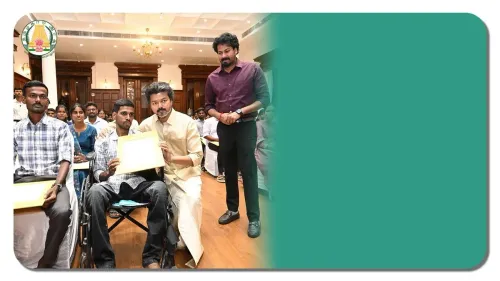
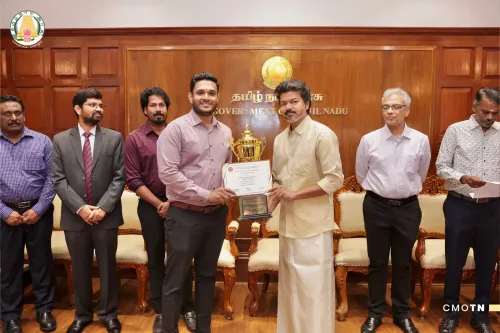
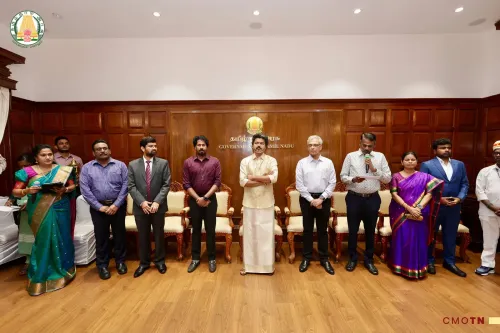
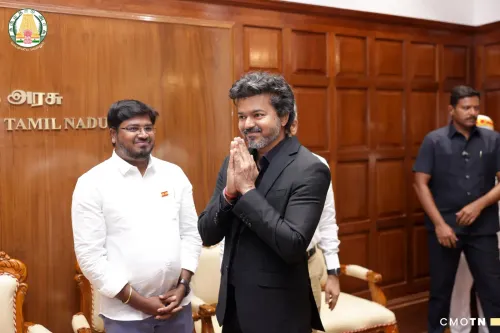
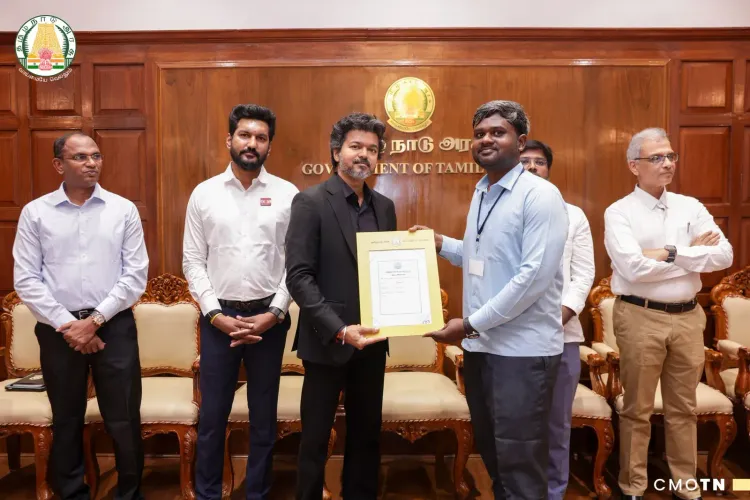
CM Joseph Vijay hands appointment orders to 126 govt recruits
Synopsis
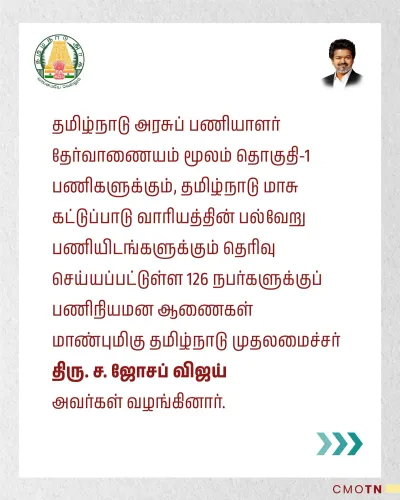
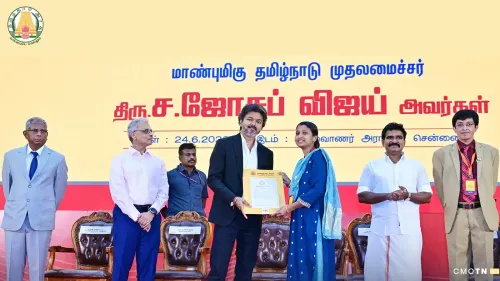
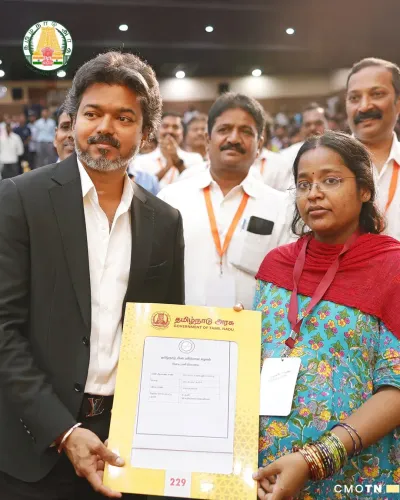
Tamil Nadu Chief Minister C. Joseph Vijay distributed appointment orders to 126 candidates selected through TNPSC Group-I services and Tamil Nadu Pollution Control Board vacancies on 29 July 2026, marking a fresh induction into state administrative and regulatory roles.
Key Takeaways
126 candidates received appointment orders from CM C.
Joseph Vijay on 29 July 2026 .
Recruits were selected via the Tamil Nadu Public Service Commission (TNPSC) for Group-I civil services posts.
Additional vacancies filled belong to the Tamil Nadu Pollution Control Board (TNPCB) , the state's statutory environmental regulator.
Group-I posts include senior administrative roles such as Deputy Collector and Deputy Superintendent of Police.
The ceremony reflects the state government's active push to clear recruitment backlogs across administrative and regulatory departments.
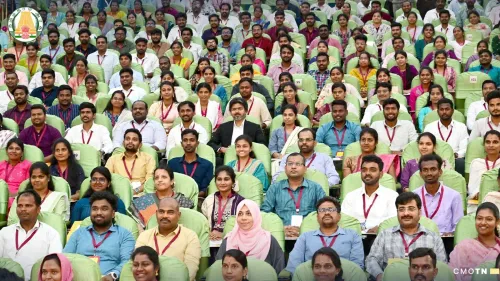
One hundred and twenty-six candidates who cleared competitive examinations just moved from aspirant to officer — and it was Tamil Nadu Chief Minister C. Joseph Vijay who placed the appointment orders in their hands on Wednesday, 29 July 2026. The Chief Minister's Office of Tamil Nadu announced the ceremony, marking a significant induction into state service across two major bodies.
The selected candidates were recruited through two distinct channels: the Tamil Nadu Public Service Commission (TNPSC) for Group-I posts, and direct vacancies within the Tamil Nadu Pollution Control Board (TNPCB). Group-I represents the apex tier of Tamil Nadu's state civil services — positions such as Deputy Collector and Deputy Superintendent of Police that carry real administrative authority from day one.
Who these 126 officers will serve under
The TNPSC is the constitutional recruitment engine for Tamil Nadu's bureaucracy, conducting competitive examinations that draw hundreds of thousands of aspirants for a handful of coveted posts. Group-I selections are among the most fiercely contested outcomes in the state's public employment ecosystem, placing officers at the frontline of district administration.
The Tamil Nadu Pollution Control Board, a statutory body charged with enforcing environmental laws and monitoring industrial compliance across the state, also receives fresh personnel through this round. With Tamil Nadu home to major industrial corridors — from Chennai's manufacturing belt to Coimbatore and Tiruppur — staffing the TNPCB carries direct consequences for environmental enforcement on the ground.
Appointment ceremonies as a governance signal
The practice of a sitting Chief Minister personally distributing appointment orders is a deliberate act of political communication in Tamil Nadu — it puts a human face on bureaucratic induction and signals that the government is actively filling vacancies rather than letting recruitment cycles stall in paperwork. For the recruits, it is a moment of formal state recognition after years of preparation.
For the Vijay administration, the event reinforces a visible governance posture: that public-sector hiring pipelines are moving. The combination of administrative (Group-I) and regulatory (TNPCB) appointments in a single ceremony also underscores the breadth of the state's staffing push.
One hundred and twenty-six careers begin today. The files, the fieldwork, and the accountability start now.
Point of View
A notable posture given growing industrial and environmental pressures in the state. Personally distributing orders is a well-worn but effective political ritual in Tamil Nadu, connecting the Chief Minister's image to the aspirations of lakhs of exam-going families. It also serves as a counter-narrative to any perception of governance drift, demonstrating pipeline activity in a state where TNPSC cycles are closely watched by millions of job-seekers. Subsequent Group-I and TNPCB recruitment notifications will reveal whether this is a one-off ceremony or part of a sustained hiring acceleration.
NationPress
28 Oct 2026
Frequently Asked Questions
Who received appointment orders from CM Joseph Vijay on 29 July 2026?
126 candidates selected through the Tamil Nadu Public Service Commission (TNPSC) for Group-I services and through the Tamil Nadu Pollution Control Board (TNPCB) for various vacancies received appointment orders from CM C. Joseph Vijay.
What are TNPSC Group-I services in Tamil Nadu?
TNPSC Group-I services represent the highest category of state civil services posts in Tamil Nadu, filled through competitive examinations. They include roles such as Deputy Collector and Deputy Superintendent of Police.
What does the Tamil Nadu Pollution Control Board do?
The Tamil Nadu Pollution Control Board (TNPCB) is a statutory body that enforces environmental laws, monitors industrial pollution, and ensures compliance with pollution-control norms across Tamil Nadu.
Why does the Chief Minister personally hand out appointment orders?
In Tamil Nadu, Chief Ministers personally distributing appointment orders is a established administrative and political practice that publicly recognises newly recruited officers and signals the government's commitment to filling government vacancies.
When did CM Joseph Vijay distribute the TNPSC appointment orders?
CM C. Joseph Vijay distributed the appointment orders on Wednesday, 29 July 2026 , as announced by the Chief Minister's Office of Tamil Nadu.