CM Vijay Inspects 45 MLD Water Recycling Plant in Chennai
Synopsis
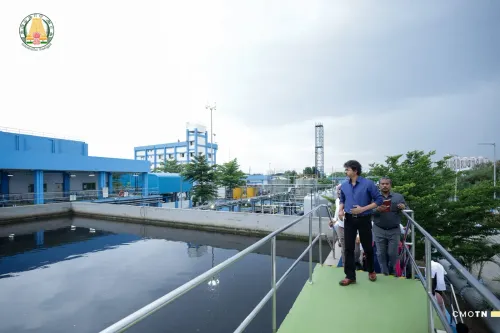
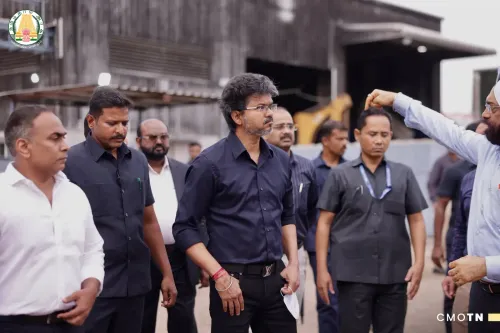
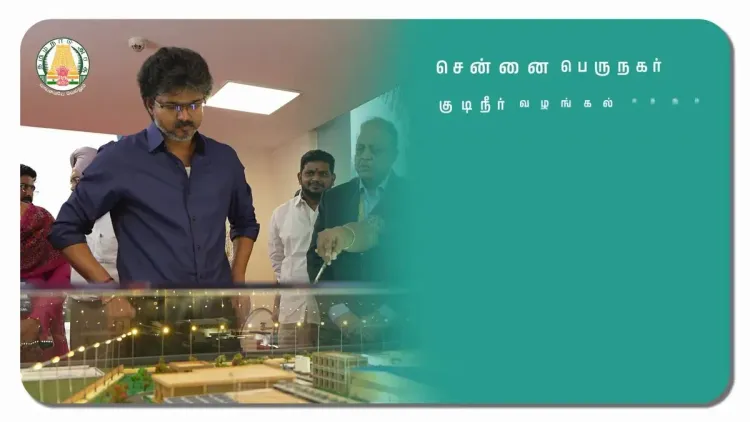
Chief Minister C. Joseph Vijay on 27 July 2026 inspected the 45 MLD reverse osmosis-based tertiary sewage treatment plant at Koyambedu, Chennai, operated by CMWSSB — a key node in the city's strategy to recycle wastewater and reduce dependence on reservoirs amid recurring water scarcity.
Key Takeaways
Joseph Vijay personally inspected the Koyambedu tertiary sewage treatment plant on 27 July 2026 .
The facility has a capacity of 45 million litres per day (MLD) and uses reverse osmosis -based tertiary treatment.
The plant is operated by the Chennai Metropolitan Water Supply and Sewerage Board (CMWSSB) .
Chennai has been expanding sewage treatment and water recycling capacity since the 1990s to reduce reservoir dependence.
The inspection signals political priority for urban water security and may accelerate further infrastructure commissioning.
Tertiary-treated water can be channelled into industrial or, after further processing, potable supply networks.
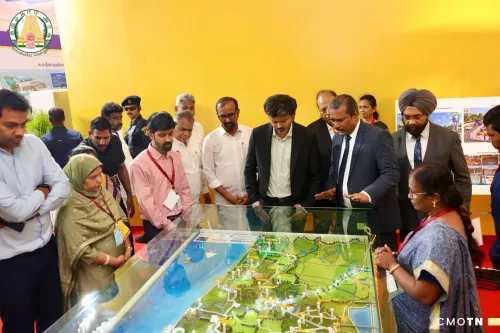
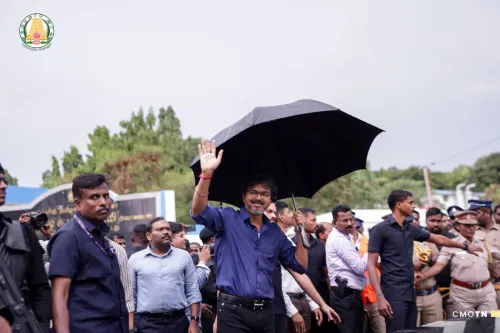
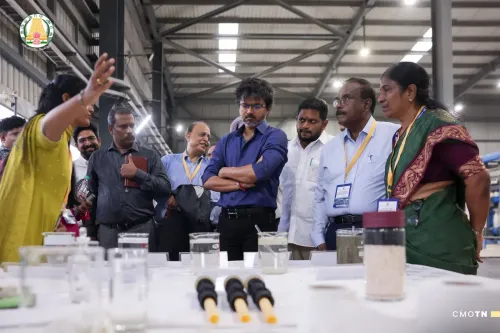
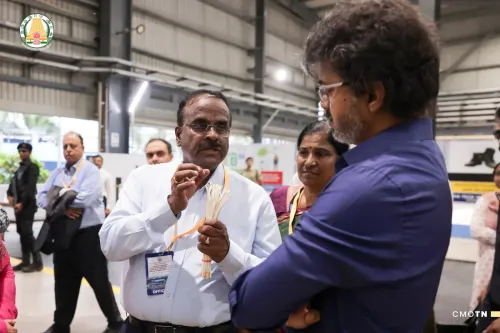
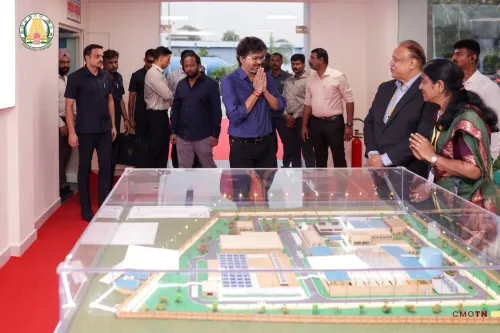
The Chief Minister's Office of Tamil Nadu announced on 27 July 2026 that Chief Minister C. Joseph Vijay conducted an on-site inspection of the 45 million litre per day (MLD) tertiary sewage treatment plant at Koyambedu, Chennai, operated under the Chennai Metropolitan Water Supply and Sewerage Board (CMWSSB). The facility uses reverse osmosis-based advanced treatment to convert treated wastewater into reusable water.
Context
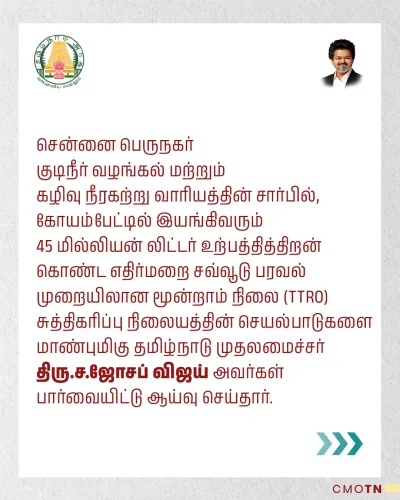
The post, shared by the official CMO Tamil Nadu handle, states that the Chief Minister visited and reviewed the operations of the 45 MLD capacity reverse osmosis-based tertiary sewage treatment plant at Koyambedu on behalf of the Chennai Metropolitan Water Supply and Sewerage Board. The facility represents one of the more technically advanced nodes in Chennai's urban water infrastructure network.
Tertiary treatment plants of this type process secondary-treated sewage through reverse osmosis membranes, producing water suitable for industrial reuse or, after further processing, potable supply — a critical capability for a city that has historically faced acute water stress.
Policy Backdrop
Chennai has been expanding its sewage treatment and water recycling capacity incrementally since the 1990s, driven by the need to reduce dependence on distant surface reservoirs such as Poondi, Chembarambakkam, and Veeranam. Variable monsoon patterns and rapid population growth in the metropolitan region have repeatedly pushed the city to the edge of water crisis, most acutely in 2019 when major reservoirs ran dry.
Tamil Nadu governments across successive administrations have responded by investing in advanced infrastructure including desalination plants along the East Coast Road corridor and tertiary treatment facilities. The CMWSSB manages this portfolio of assets and has been tasked with integrating recycled water into the city's supply mix as part of a broader circular water economy strategy.
Stakeholders and Impact
The primary beneficiaries of expanded tertiary treatment capacity are Chennai's estimated 11 million metropolitan residents, along with industries that draw heavily on potable water supply. By diverting treated wastewater back into usable supply chains, the city can reduce extraction pressure on reservoirs and groundwater aquifers.
The CMWSSB functions as the nodal agency responsible for both drinking water supply and sewerage management across the Chennai metropolitan area. A Chief Ministerial inspection of this scale signals political priority being assigned to urban water security, which often translates into faster administrative clearances and budget allocations for pending works.
What's Next
Analysts and urban infrastructure observers will watch for announcements on the commissioning of additional tertiary treatment plants across Chennai and whether the output of the Koyambedu facility is formally integrated into the potable or industrial water supply network. The inspection may also precede policy directives on mandatory recycled water use for construction and industrial purposes in the city.
As Tamil Nadu positions itself as a model for water-stressed urban management in peninsular India, the trajectory of projects like the Koyambedu plant will be closely tracked by other state water boards facing similar pressures.
Point of View
Associating himself visibly with urban infrastructure delivery in Chennai also carries electoral logic, given that metropolitan water reliability is a persistent voter concern. The real test will be whether the inspection translates into accelerated commissioning of similar plants and a formal policy framework for recycled water use.
NationPress
26 Oct 2026
Frequently Asked Questions
What did CM Joseph Vijay inspect in Chennai on 27 July 2026?
CM C. Joseph Vijay inspected the 45 MLD reverse osmosis-based tertiary sewage treatment plant at Koyambedu, Chennai, operated by the Chennai Metropolitan Water Supply and Sewerage Board.
What is a tertiary sewage treatment plant?
A tertiary sewage treatment plant processes already-treated wastewater through advanced methods such as reverse osmosis to produce water suitable for industrial reuse or, after further treatment, drinking supply.
Why is Chennai investing in water recycling plants?
Chennai faces recurring water scarcity due to variable monsoon patterns and rapid population growth. Recycling treated wastewater reduces dependence on distant reservoirs and helps secure long-term urban water supply.
Where is the Koyambedu water treatment plant located?
The plant is located in Koyambedu, a locality in western Chennai, Tamil Nadu.