CM Joseph Vijay Inspects 45 MLD Tertiary Water Plant in Chennai
Synopsis
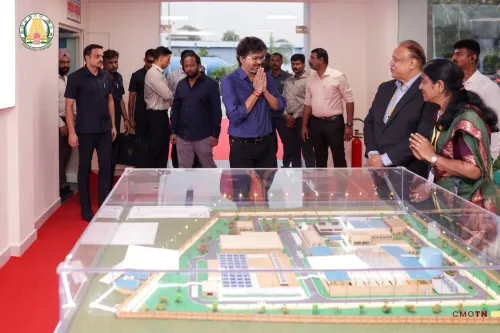
Tamil Nadu Chief Minister Joseph Vijay on 27 July 2026 personally inspected a 45 MLD reverse osmosis-based tertiary sewage treatment plant at Koyambedu, Chennai, operated by the CMWSSB, underscoring the state's push to expand recycled water capacity amid chronic freshwater stress.
Key Takeaways
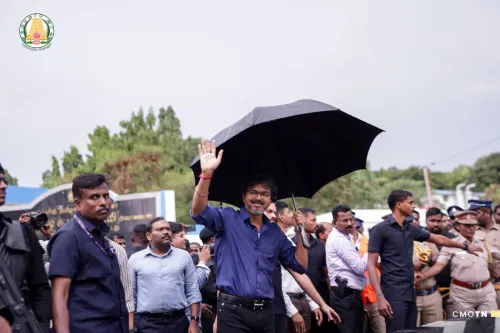
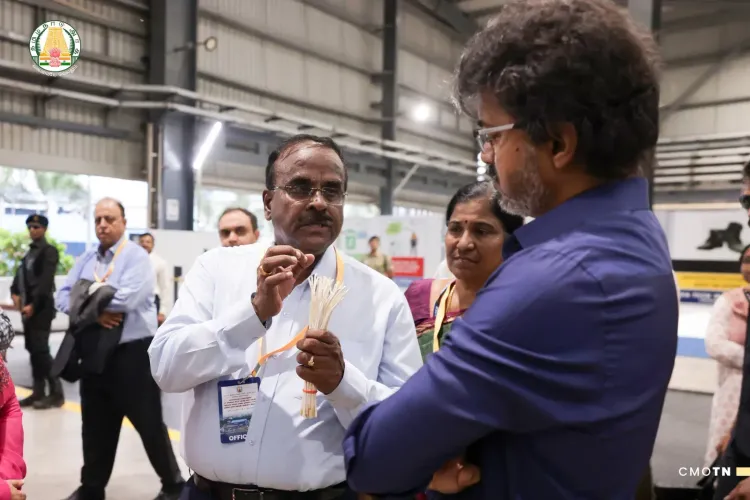
CM Joseph Vijay conducted a direct on-site inspection of the CMWSSB 's tertiary water treatment plant in Koyambedu, Chennai on 27 July 2026 .
The plant has a capacity of 45 million litres per day (MLD) and uses reverse osmosis membrane filtration as its core technology.
The facility produces reclaimed water for industrial and non-potable reuse , reducing demand on Chennai's drinking water reservoirs.
The Chennai Metropolitan Water Supply and Sewerage Board (CMWSSB) operates the plant as part of a broader wastewater recycling network in the metropolitan area.
Tamil Nadu has invested in tertiary treatment infrastructure since the early 2000s to counter recurring drought and groundwater depletion in Chennai.
Further capacity additions and mandatory industrial reuse policies are being watched as potential next steps.
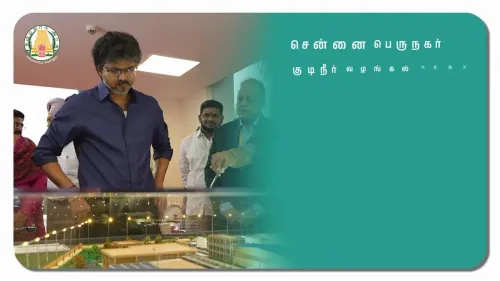
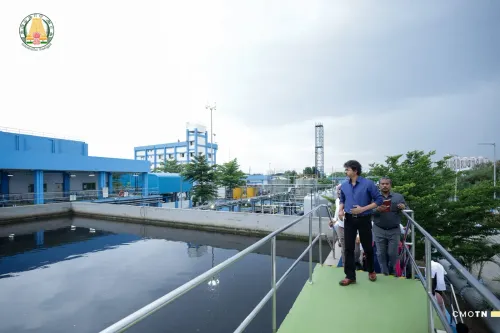
The Chief Minister's Office of Tamil Nadu announced on 27 July 2026 that Chief Minister Joseph Vijay personally visited and inspected a 45 million litre per day (MLD) tertiary water treatment facility in Koyambedu, Chennai, operated under the Chennai Metropolitan Water Supply and Sewerage Board (CMWSSB). The plant employs reverse osmosis-based membrane filtration — a third-stage purification process — to recycle treated sewage for reuse.
Context
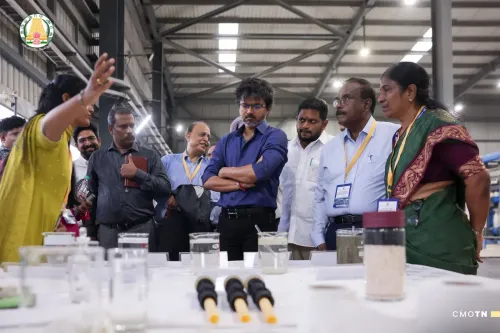
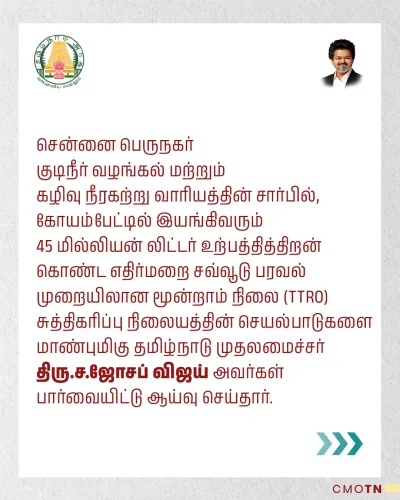
The official post from the Chief Minister's Office states that CM Joseph Vijay 'inspected and reviewed the operations' of the 45 MLD capacity reverse osmosis-based tertiary treatment plant at Koyambedu on behalf of the CMWSSB. The visit was hands-on, with the Chief Minister conducting a direct on-site review rather than a ceremonial inauguration.
The facility represents a significant node in Chennai's water recycling infrastructure. Tertiary treatment using reverse osmosis membranes produces high-quality reclaimed water suitable for industrial cooling, construction, and other non-potable applications, reducing pressure on the city's drinking water reservoirs.
Policy Backdrop
The CMWSSB has been expanding wastewater recycling capacity across the Chennai metropolitan area since the early 2000s, driven by recurring drought cycles, groundwater depletion, and the city's heavy dependence on monsoon-fed reservoirs. Koyambedu has emerged as a hub for large-scale sewage treatment and recycling infrastructure in western Chennai.
Reverse osmosis-based tertiary treatment is among the most advanced stages of wastewater processing. By converting treated sewage into reusable water, such plants directly reduce the volume of fresh water drawn from reservoirs like Poondi, Chembarambakkam, and Red Hills — sources that have historically run critically low during summer months. Tamil Nadu governments across successive administrations have channelled sustained public investment into this segment of urban water management.
Stakeholders and Impact
Chennai's urban industries are primary beneficiaries of tertiary-treated recycled water, as many manufacturing and processing units require large volumes of water that need not meet potable standards. Reduced industrial demand on drinking water sources directly benefits the city's nearly 11 million residents who depend on the CMWSSB network.
The inspection signals active executive-level attention to water infrastructure at a time when Indian metropolitan areas face growing stress on freshwater availability. A 45 MLD plant, operating at capacity, can supply recycled water equivalent to the daily needs of a sizeable industrial cluster, meaningfully easing demand on Chennai's finite reservoir stock.
What's Next
Observers will watch for follow-up policy directives from the Chief Minister's Office, particularly around mandatory reuse targets for industries and local bodies drawing on CMWSSB-supplied recycled water. Expansion of tertiary treatment capacity at other locations within the Chennai metropolitan area is also a possibility flagged by water infrastructure planners.
The broader trajectory points toward Tamil Nadu deepening its circular water economy — treating and reusing wastewater at scale rather than relying solely on rainfall and river-fed storage. CM Joseph Vijay's direct inspection suggests the administration intends to keep this infrastructure a visible governance priority.
Point of View
And hands-on visits by the Chief Minister elevate its visibility beyond routine bureaucratic oversight. The focus on reverse osmosis-based tertiary treatment aligns with a long-running state policy arc of moving Chennai toward a circular water economy. Whether this inspection translates into faster capacity expansion or binding reuse mandates for industries will determine its lasting policy impact.
NationPress
26 Oct 2026
Frequently Asked Questions
What did Tamil Nadu CM Joseph Vijay inspect on 27 July 2026?
CM Joseph Vijay inspected a 45 MLD reverse osmosis-based tertiary sewage treatment plant at Koyambedu, Chennai, operated by the Chennai Metropolitan Water Supply and Sewerage Board (CMWSSB).
What is a tertiary water treatment plant?
A tertiary treatment plant is the third and most advanced stage of wastewater purification. The Koyambedu facility uses reverse osmosis membranes to produce high-quality reclaimed water suitable for industrial and non-potable uses.
What is the capacity of the Koyambedu water treatment plant?
The plant has a production capacity of 45 million litres per day (MLD).
Why does Chennai invest in wastewater recycling?
Chennai faces recurring droughts, groundwater depletion, and dependence on monsoon-fed reservoirs. Recycling treated sewage through tertiary plants reduces industrial demand on drinking water sources and helps the city manage freshwater scarcity.