CM Vijay, Kerala Home Minister Chennithala Meet on Drug Smuggling
Synopsis
Tamil Nadu Chief Minister S. Joseph Vijay met Kerala Home Minister Ramesh Chennithala at the Chennai Secretariat on 15 July 2026 to discuss coordinated measures against cross-border drug smuggling, signalling a push for stronger inter-state law-enforcement cooperation along the Western Ghats corridor.
Key Takeaways
Kerala Home Minister Ramesh Chennithala called on Tamil Nadu CM S.
Joseph Vijay at the Secretariat in Chennai on 15 July 2026 .
The central agenda was coordinating drug-trafficking prevention measures between the two states.
The Western Ghats border corridor shared by Tamil Nadu and Kerala is a known narcotics smuggling route.
State police forces of both sides are the key operational stakeholders expected to implement any joint framework.
The meeting could pave the way for joint intelligence sharing , coordinated checkpoints, and a formal bilateral anti-narcotics mechanism.
Both states supplement the Narcotics Control Bureau 's work through independent enforcement, making inter-state coordination critical.
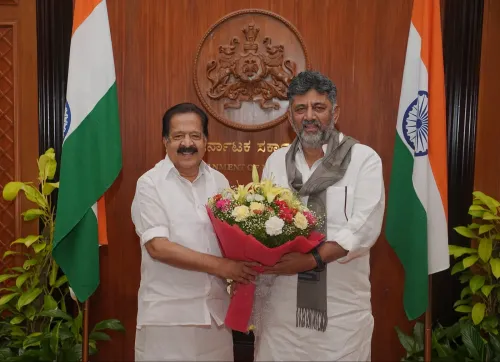
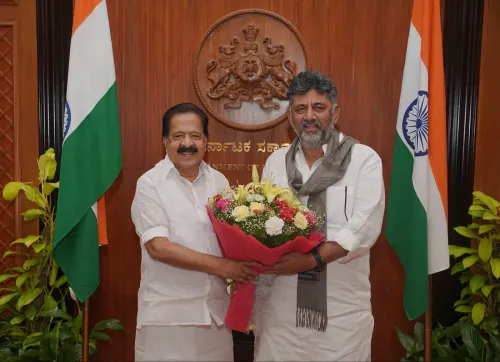
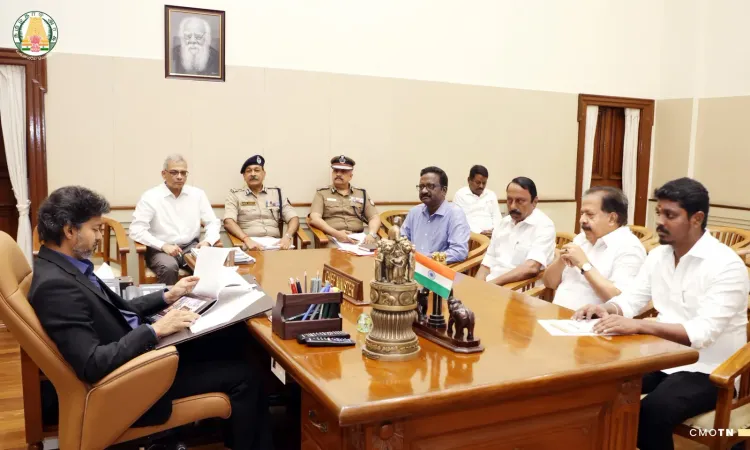
The Chief Minister's Office of Tamil Nadu announced on Wednesday, 15 July 2026 that Kerala Home Minister Ramesh Chennithala called on Tamil Nadu Chief Minister S. Joseph Vijay at the Secretariat in Chennai to discuss coordinated action against cross-border drug trafficking between the two states.
The post, shared by the official CMO Tamil Nadu handle, stated in Tamil: 'போதைப்பொருள் கடத்தல் தடுப்பு நடவடிக்கைகளை ஒருங்கிணைந்து மேற்கொள்வது குறித்து ஆலோசனை மேற்கொண்டார்' — meaning the two leaders 'held consultations on undertaking coordinated measures to prevent drug smuggling.'
Context
Tamil Nadu and Kerala share a long border along the Western Ghats, a terrain historically exploited by narcotics smugglers moving contraband between the two states and beyond. Law enforcement agencies on both sides have flagged the corridor as a persistent vulnerability. The meeting at the Tamil Nadu Secretariat reflects the urgency both governments attach to the issue.
Ramesh Chennithala, a senior Congress leader, has served as Kerala's Home Minister and has a track record of engaging neighbouring states on internal-security matters. His visit to Chennai signals Kerala's intent to formalise cooperation at the political level, supplementing ground-level coordination between state police forces.
Policy Backdrop
Narcotics control in India is a concurrent responsibility shared by the Centre and states. While the Narcotics Control Bureau (NCB) operates at the national level, state police departments handle the bulk of seizures and intelligence gathering. Bilateral state-level meetings of this kind are designed to fill coordination gaps that central agencies alone cannot address.
Both states have independently recorded rising drug-seizure numbers in recent years, with smuggling networks exploiting forest trails, coastal routes, and highway corridors. Joint intelligence-sharing frameworks between Tamil Nadu Police and Kerala Police have been discussed in earlier inter-state forums, though a formal standing mechanism has remained elusive.
Stakeholders and Impact
The primary beneficiaries of tighter coordination would be border communities in districts such as Coimbatore, Nilgiris, Dindigul on the Tamil Nadu side and Palakkad, Wayanad, Idukki on the Kerala side — areas where drug abuse and trafficking have been documented concerns. State police forces on both sides stand to gain from shared intelligence and joint operations.
Civil society groups and anti-narcotics activists in both states have long called for a structured inter-state task force. A political-level meeting of this nature could provide the impetus needed to move from ad hoc coordination to a more institutionalised arrangement.
What's Next
Officials are expected to follow up with working-level discussions between senior police officers of both states to translate the political consensus into operational protocols. Possible outcomes include joint checkpoints at key border crossings, real-time intelligence sharing between state anti-narcotics cells, and coordinated crackdowns during high-risk periods. The formation of a permanent bilateral coordination committee remains a widely anticipated next step.
Point of View
Bypassing the slower pace of bureaucratic coordination. For CM Joseph Vijay, hosting a senior minister from a Congress-governed Kerala underscores a pragmatic, governance-first approach that transcends party lines. The meeting fits a broader national pattern of states asserting more proactive roles in narcotics control as the Centre's capacity is stretched thin. Whether this political signal translates into a durable operational framework will be the real test of its significance.
NationPress
15 Jul 2026
Frequently Asked Questions
Why did Kerala Home Minister Ramesh Chennithala visit Tamil Nadu CM Joseph Vijay?
Chennithala visited CM Vijay at the Tamil Nadu Secretariat in Chennai on 15 July 2026 to hold consultations on coordinating drug-smuggling prevention measures between the two states.
What is the drug trafficking problem between Tamil Nadu and Kerala?
The two states share a long border along the Western Ghats, a terrain exploited by narcotics smugglers. Districts on both sides have reported rising drug seizures, prompting calls for a joint enforcement mechanism.
What could be the outcome of the Tamil Nadu–Kerala anti-drug meeting?
Possible outcomes include joint police checkpoints at border crossings, real-time intelligence sharing between state anti-narcotics units, and the formation of a standing bilateral coordination committee.
Who is Ramesh Chennithala?
Ramesh Chennithala is a senior Congress politician who serves as Kerala's Home Minister and has previously engaged neighbouring states on internal-security and law-enforcement matters.
Does the central government handle drug trafficking between Indian states?
The Narcotics Control Bureau operates at the national level, but state police departments handle most seizures and intelligence. Bilateral state meetings like this one are meant to fill the coordination gaps the central agency alone cannot address.