CM Vijay launches 'Eri' portal for Tamil Nadu lake restoration
Synopsis
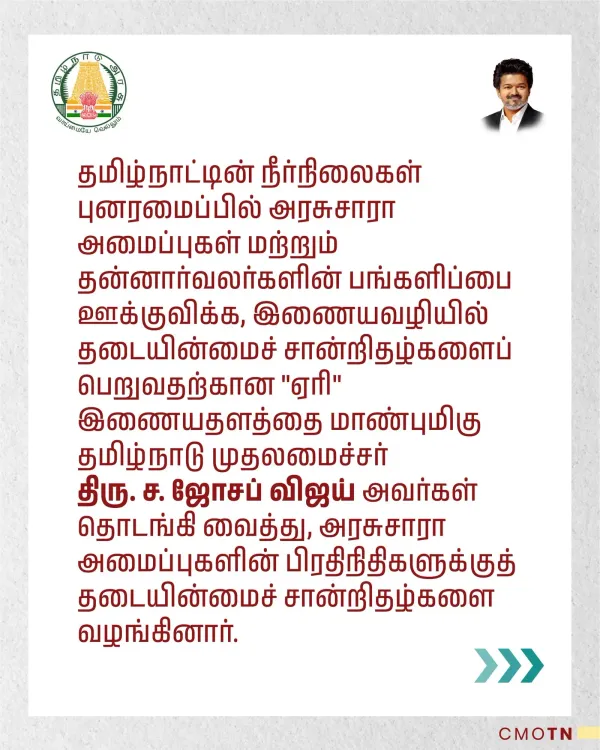
Chief Minister C. Joseph Vijay launched the 'Eri' web portal on November 10, 2026, enabling NGOs and volunteers to obtain NOCs online for Tamil Nadu water-body restoration, deepening civil-society participation in the revival of the state's traditional irrigation tanks.
Key Takeaways
Joseph Vijay inaugurated the 'Eri' web portal on November 10, 2026 , enabling online NOC applications for water-body restoration projects.
The portal is designed to encourage NGOs and volunteers to participate in Tamil Nadu's lake and tank rehabilitation efforts.
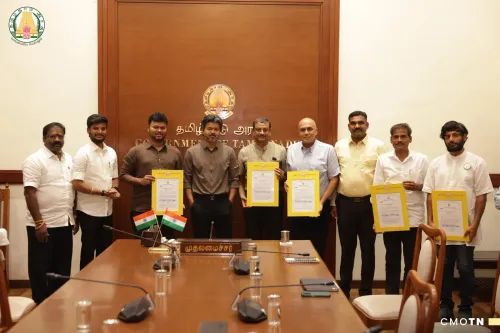
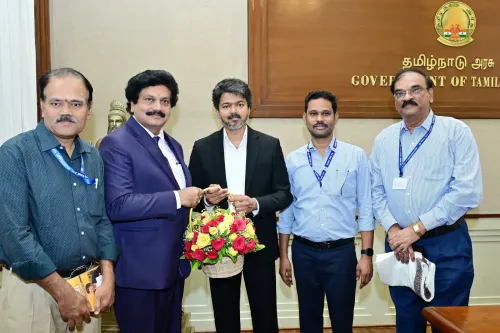
At the launch, CM Vijay personally handed No-Objection Certificates to representatives of non-governmental organisations.
The initiative builds on the community-participation framework pioneered by the Kudimaramathu scheme , revived around 2017 .
Tamil Nadu's traditional eri (irrigation tank) network is critical to groundwater recharge and rural agriculture across the state.
Adoption metrics — number of NOC applications and completed NGO-led restoration projects — will determine the portal's real-world impact.
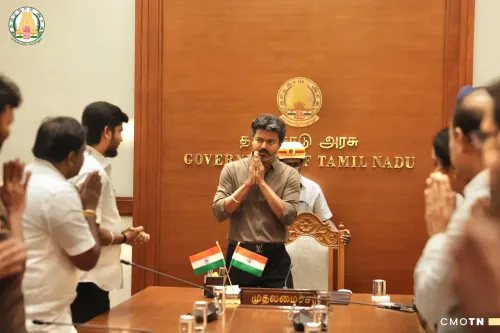
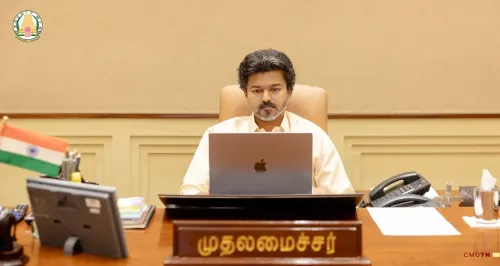
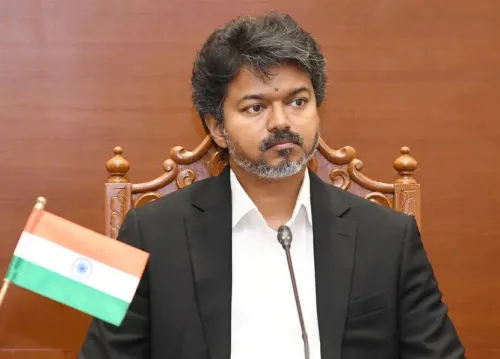
Tamil Nadu just made it easier for citizens and civil society groups to roll up their sleeves and restore the state's ancient water bodies. On Tuesday, November 10, 2026, the Chief Minister's Office of Tamil Nadu announced that Chief Minister C. Joseph Vijay inaugurated the 'Eri' web portal — a dedicated online platform allowing NGOs and volunteers to obtain No-Objection Certificates (NOCs) seamlessly for water-body restoration work across the state.
What the 'Eri' portal does — and why the name matters
Eri is the Tamil word for a traditional irrigation tank — a system of community-managed water bodies that has sustained agriculture in the region for centuries. By naming the portal after this institution, the government signals continuity with that centuries-old tradition of collective stewardship. The platform eliminates the bureaucratic friction that previously deterred NGOs and individual volunteers: rather than navigating in-person paperwork across multiple government offices, organisations can now apply for and receive NOCs entirely online.
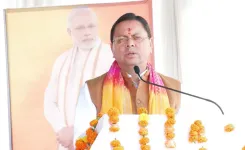
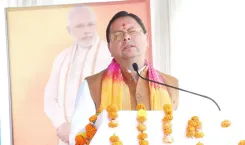
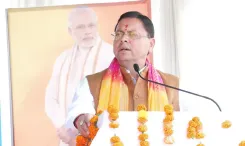
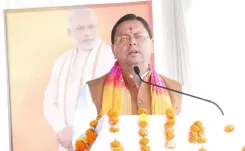
At the launch event, CM Vijay personally handed NOC certificates to representatives of non-governmental organisations — a symbolic gesture underscoring the state's intent to treat civil society as a genuine partner, not a peripheral actor, in water-body rehabilitation.
Tamil Nadu's long history of tank revival — and the pressure to scale up
Tamil Nadu's network of traditional eris once numbered in the tens of thousands, acting as the backbone of a rain-fed agrarian economy. Decades of encroachment, siltation, and neglect degraded a large share of that inheritance. The state revived the community-participation framework under the Kudimaramathu scheme — first relaunched around 2017 — which brought together local labour, government engineering support, and public funds to desilt and repair tanks. The scheme demonstrated that grassroots involvement could move faster and generate more local ownership than purely departmental works alone.
The 'Eri' portal is the digital extension of that logic: if community participation is the engine, reducing administrative friction is the accelerant. Rural farming communities stand to gain most directly — restored tanks recharge groundwater, extend the irrigation season, and buffer against the increasingly erratic monsoon patterns that have made drought a recurring stress in the state.
NGOs and volunteers — now a click away from clearance
The immediate beneficiaries of the portal are the NGOs that received certificates at Tuesday's event. For many smaller organisations, the old NOC process was a genuine deterrent — time-consuming, opaque, and dependent on physical access to government offices. A streamlined digital pathway lowers the barrier of entry for newer, smaller groups, potentially multiplying the number of active restoration projects running in parallel across Tamil Nadu's districts.
The metric to watch going forward will be adoption: how many NOC applications flow through the portal in its first year, and how many of those translate into completed restoration projects filed with the Public Works or Water Resources Department. Those numbers will be the real verdict on whether digitising the clearance process translates into accelerated work on the ground.
Point of View
Verifiable process. By removing the NOC bottleneck, the government essentially expands the workforce available for tank restoration without adding to its payroll. The move also reflects a broader pattern among state governments of using digital-public-infrastructure tools to crowd-in civil society on environmental goals, particularly where budget and departmental bandwidth fall short of the scale of degradation. Whether the portal produces measurable ground-level outcomes or becomes another underused government URL will be a pointed test of whether Tamil Nadu's water-body revival ambitions match its administrative follow-through.
NationPress
10 Nov 2026
Frequently Asked Questions
What is the 'Eri' portal launched by Tamil Nadu CM Vijay?
The 'Eri' portal is an official Tamil Nadu government website launched on November 10, 2026, that allows NGOs and volunteers to apply for and receive No-Objection Certificates online for water-body restoration projects — removing the need for in-person bureaucratic processes.
What does 'Eri' mean in Tamil?
'Eri' is the Tamil word for a traditional irrigation tank — a community-managed water storage system that has been central to Tamil Nadu's agricultural history for centuries.
What is the Kudimaramathu scheme in Tamil Nadu?
Kudimaramathu is a community-driven tank restoration programme relaunched around 2017 that involves local participation in desilting and maintaining irrigation water bodies, combining public labour with government engineering support.
How can NGOs use the Eri portal for lake restoration in Tamil Nadu?
NGOs and volunteers can visit the 'Eri' website to apply for No-Objection Certificates digitally, allowing them to undertake water-body restoration work in Tamil Nadu without navigating in-person paperwork across government offices.
Why is water-body restoration important for Tamil Nadu?
Tamil Nadu's traditional irrigation tanks recharge groundwater, support rain-fed agriculture, and buffer against drought. Decades of encroachment and siltation have degraded many of these tanks, making restoration critical for rural farming communities facing increasingly erratic monsoon patterns.