CM Vijay Chairs Review Meet on Tamil Nadu Home and Excise Dept
Synopsis
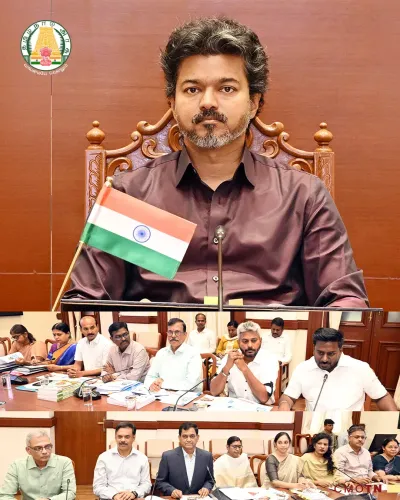
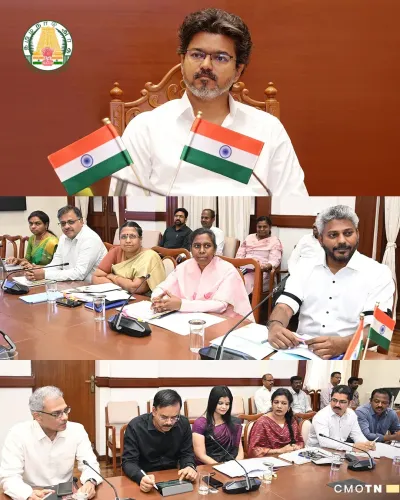
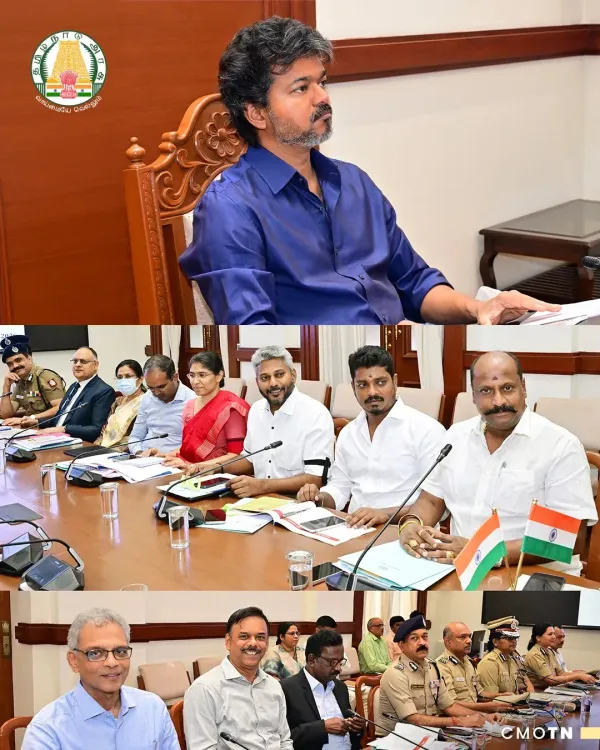
Chief Minister C. Joseph Vijay on 27 July 2026 chaired a review meeting at the Tamil Nadu Secretariat on the Home, Prohibition and Excise Department's programmes and operations, signalling direct executive oversight of the state's liquor policy and internal security portfolio.
Key Takeaways
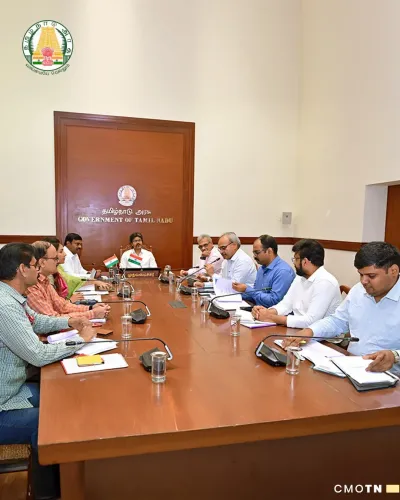
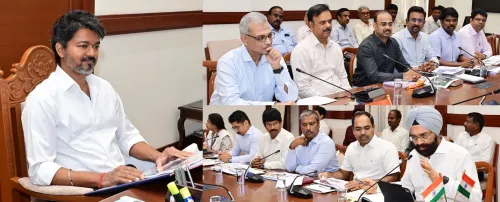
Joseph Vijay chaired the review meeting on 27 July 2026 at the Tamil Nadu Secretariat, Chennai .
The meeting focused on the plans and operations of the Home, Prohibition and Excise Department .
Tamil Nadu has operated a state liquor retail monopoly via TASMAC since 1983 , making excise revenue a key fiscal source.
The department oversees excise enforcement, prohibition compliance, and internal security across Tamil Nadu's 38 districts .
Follow-up policy directives or enforcement targets are expected in the coming weeks as a result of the review.
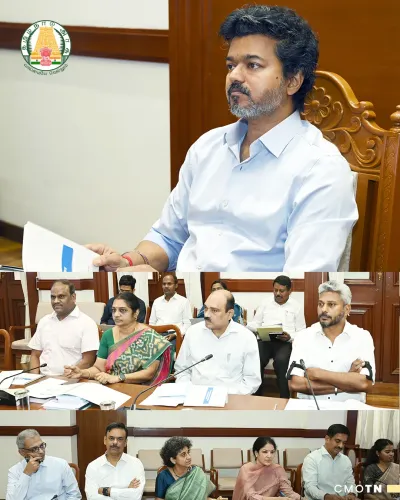
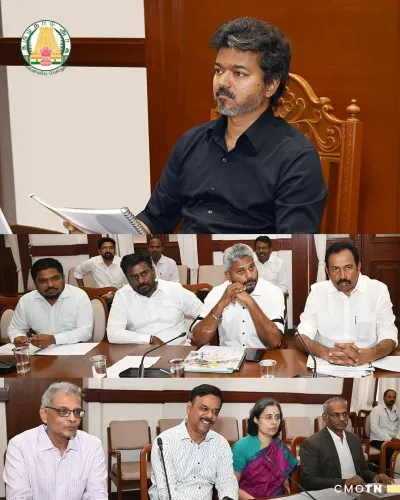
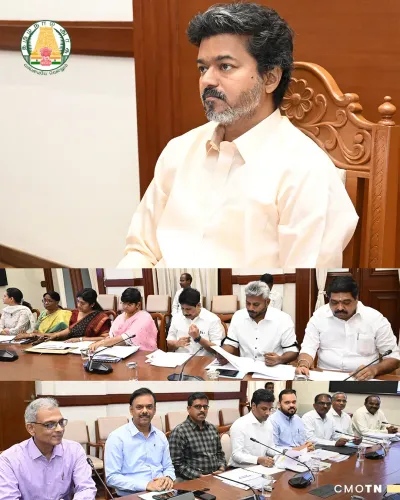
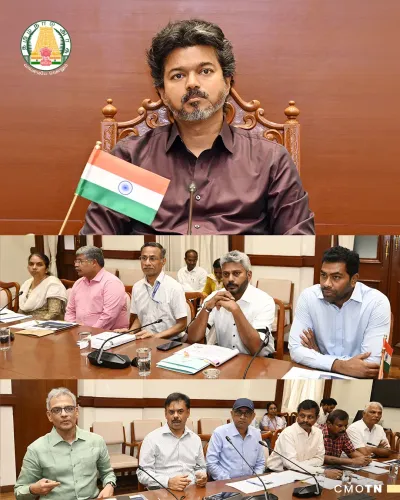
The Chief Minister's Office of Tamil Nadu announced on Monday, 27 July 2026 that Chief Minister C. Joseph Vijay chaired a high-level review meeting at the Secretariat in Chennai to assess the programmes and operations of the state's Home, Prohibition and Excise Department.
Context
The official post from the Chief Minister's Office read: 'மாண்புமிகு தமிழ்நாடு முதலமைச்சர் திரு. ச. ஜோசப் விஜய் அவர்கள் தலைமையில் இன்று (27.07.2026) தலைமைச் செயலகத்தில், உள், மதுவிலக்கு மற்றும் ஆயத்தீர்வைத் துறையின் திட்டங்கள் மற்றும் செயல்பாடுகள் குறித்த ஆய்வுக்கூட்டம் நடைபெற்றது.' ('A review meeting on the plans and operations of the Home, Prohibition and Excise Department was held today at the Secretariat under the chairmanship of Honourable Chief Minister of Tamil Nadu, Mr. C. Joseph Vijay.')
The meeting signals the Chief Minister's direct engagement with a department that straddles internal security, law enforcement, and one of the state's most significant revenue streams.
Policy Backdrop
Tamil Nadu has maintained a state monopoly on liquor retail through TASMAC (Tamil Nadu State Marketing Corporation) since 1983, making the Excise portfolio both a public-health concern and a major fiscal pillar. Revenue from liquor sales consistently ranks among the top contributors to the state's own-tax revenue.
Successive governments have navigated the tension between maximising excise revenue and responding to public-health advocates and prohibition campaigners who have long demanded stricter curbs on alcohol access. Periodic high-level review meetings are a standard governance mechanism to monitor enforcement targets, check compliance with prohibition norms, and assess departmental performance.
Stakeholders and Impact
The Home, Prohibition and Excise Department oversees a wide set of stakeholders: excise officials responsible for licensing and enforcement, police personnel who handle prohibition-related law and order, and public health advocates who track the social consequences of alcohol availability.
Any directional shift emerging from such a review — whether toward tighter enforcement of prohibition zones, revised TASMAC pricing, or new welfare schemes linked to de-addiction — would have immediate implications for both state revenue and ground-level enforcement priorities across Tamil Nadu's 38 districts.
What's Next
Observers will watch for follow-up statements from the Chief Minister's Office or the department detailing specific enforcement targets, changes to TASMAC operations, or new policy measures that may feed into the next state budget cycle. The outcome of such review meetings often shapes administrative circulars and departmental action plans in the weeks that follow.
Point of View
Not routine administration — it suggests the government is calibrating its stance on TASMAC revenue versus prohibition optics ahead of a budget cycle. Tamil Nadu's liquor policy has historically been a live wire, with welfare commitments on de-addiction often colliding with the state's dependence on excise income. For CM Vijay, establishing visible executive control over the Home and Excise portfolio early in his tenure could serve both a governance and a public-perception purpose. The direction of any follow-up orders will reveal whether the emphasis falls on revenue optimisation or social-welfare signalling.
NationPress
26 Oct 2026
Frequently Asked Questions
Why did CM Joseph Vijay hold a review meeting on the Home and Excise Department?
CM C. Joseph Vijay chaired the meeting on 27 July 2026 to assess the programmes and operations of Tamil Nadu's Home, Prohibition and Excise Department, a standard high-level mechanism to monitor enforcement, revenue collection and policy compliance.
What is the Home, Prohibition and Excise Department in Tamil Nadu?
It is the Tamil Nadu state department responsible for internal security, enforcement of prohibition laws, licensing of liquor outlets, and oversight of TASMAC, the state's retail liquor monopoly that has been operational since 1983.
What is TASMAC and why does it matter for Tamil Nadu?
TASMAC (Tamil Nadu State Marketing Corporation) has held a monopoly on retail liquor sales in Tamil Nadu since 1983. Revenue from its operations is one of the largest contributors to the state's own-tax income, making it central to fiscal planning.
Where was the review meeting held?
The meeting was held at the Tamil Nadu Secretariat in Chennai on 27 July 2026 under the chairmanship of Chief Minister C. Joseph Vijay.
What policy changes could follow from this review?
Possible outcomes include revised enforcement targets for prohibition zones, changes to TASMAC pricing or operations, or new de-addiction welfare schemes — details are expected through follow-up departmental orders or budget announcements.