CM Joseph Vijay Reviews Housing & Urban Development Plans
Synopsis
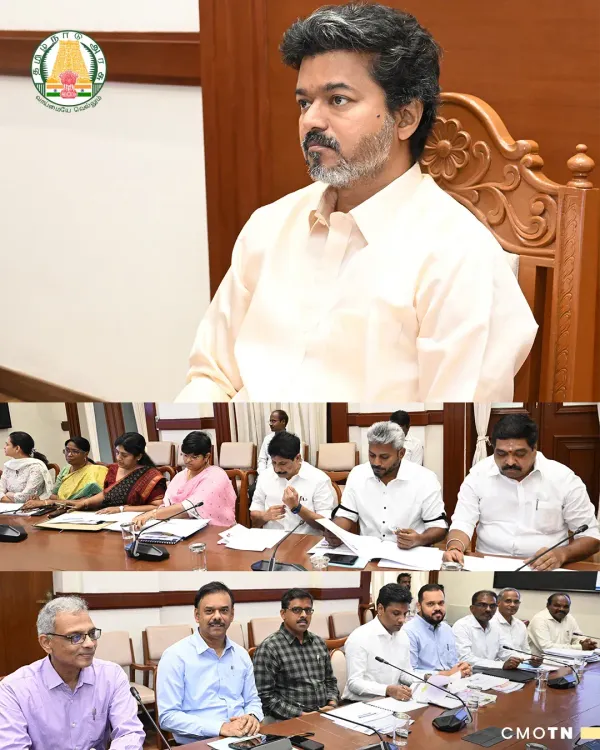
Chief Minister Joseph Vijay chaired a review meeting at the Tamil Nadu Secretariat on 17 July 2026, assessing the plans and operations of the Housing and Urban Development Department, signalling continued state focus on affordable housing and urban infrastructure.
Key Takeaways
Chief Minister Joseph Vijay chaired a review meeting on 17 July 2026 at the Tamil Nadu Secretariat .
The meeting focused on the plans and operations of the Housing and Urban Development Department .
Tamil Nadu's housing framework includes the Tamil Nadu Housing Board (est.
1961) and central missions such as PMAY-Urban and AMRUT .
Major urban centres including Chennai , Coimbatore , and Madurai are key focus areas for the department.
Outcomes from the review are expected to shape the department's quarterly progress reports and future budget allocations.
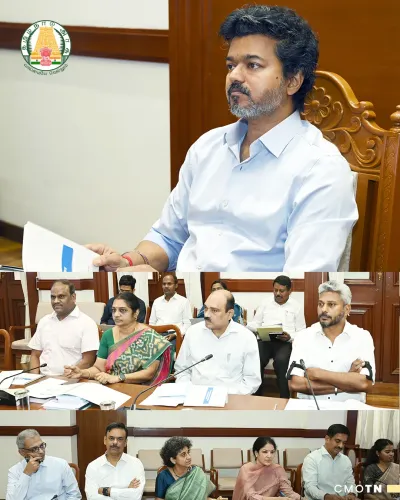
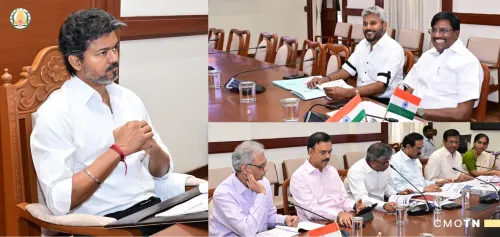
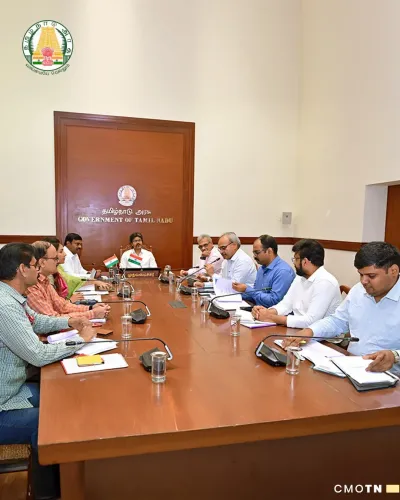
The Chief Minister's Office of Tamil Nadu announced on Friday, 17 July 2026, that Chief Minister Joseph Vijay chaired a high-level review meeting at the Secretariat in Chennai to assess the plans and operations of the state's Housing and Urban Development Department.
The post stated: 'மாண்புமிகு தமிழ்நாடு முதலமைச்சர் திரு.ச.ஜோசப் விஜய் அவர்கள் தலைமையில் இன்று (17.7.2026) தலைமைச் செயலகத்தில், வீட்டுவசதி மற்றும் நகர்ப்புற வளர்ச்சித் துறையின் திட்டங்கள் மற்றும் செயல்பாடுகள் குறித்த ஆய்வுக்கூட்டம் நடைபெற்றது.' — translated: 'Under the chairmanship of the Honourable Chief Minister of Tamil Nadu, Mr. Joseph Vijay, a review meeting on the plans and operations of the Housing and Urban Development Department was held today (17.7.2026) at the Secretariat.'
Context
The Housing and Urban Development Department of Tamil Nadu is the nodal state body overseeing affordable housing schemes, urban planning, and city infrastructure projects across the state. The department coordinates with both state-funded programmes and centrally sponsored missions to address the housing needs of various income groups.
Tamil Nadu has historically been among the more urbanised states in India, with major centres including Chennai, Coimbatore, and Madurai experiencing sustained population growth and demand for planned housing. High-level reviews of this nature are a standard mechanism through which the Chief Minister's Office tracks physical and financial progress across departmental schemes.
Policy Backdrop
The Tamil Nadu Housing Board, established in 1961, has long been the primary vehicle for constructing and allotting housing units across income segments. Over the decades, the state has layered additional programmes on this foundation, including participation in the Pradhan Mantri Awas Yojana (Urban) — the central government's affordable housing mission launched in 2015 — which is implemented in partnership with state governments.
Tamil Nadu also joined the AMRUT (Atal Mission for Rejuvenation and Urban Transformation) and Smart Cities Mission from 2015 onward, both of which target upgrades to urban infrastructure and services. These overlapping frameworks mean that departmental reviews carry significance for both state budgets and the utilisation of central funds.
Stakeholders and Impact
The primary beneficiaries of the Housing and Urban Development Department's work are urban households — particularly those in the economically weaker and lower-income segments — along with city development authorities and municipal bodies. Progress in scheme implementation directly affects the pace at which housing units are delivered and urban infrastructure is upgraded.
Periodic review meetings chaired by the Chief Minister signal political prioritisation of a department and often precede accelerated fund releases or course corrections in project timelines. Stakeholders in the construction, urban planning, and civic services sectors typically monitor the outcomes of such meetings for signals on upcoming tenders or policy shifts.
What's Next
The outcomes of the 17 July 2026 review are expected to feed into the department's quarterly progress reporting cycle and may inform allocations in the next state fiscal plan. Observers will watch for any subsequent announcements on fresh housing targets, beneficiary lists under central missions, or infrastructure project approvals that emerge from the Secretariat in the coming weeks.
Tamil Nadu's trajectory on urban housing will also be shaped by the state's ability to draw down and utilise central scheme funds efficiently — a metric that has historically influenced the state's standing in national housing programme rankings.
Point of View
Sustained executive attention to housing delivery is both administratively necessary and electorally significant. The review also positions the state to demonstrate compliance and absorption capacity under centrally sponsored missions, which directly affects future fund flows from the Union government.
NationPress
16 Oct 2026
Frequently Asked Questions
What was the review meeting chaired by CM Joseph Vijay on 17 July 2026 about?
The meeting reviewed the plans and operations of Tamil Nadu's Housing and Urban Development Department, covering the state's housing schemes and urban infrastructure programmes.
Where was the Tamil Nadu housing review meeting held?
The meeting was held at the Tamil Nadu Secretariat (Talamai Cheyal Agam) in Chennai on 17 July 2026.
What housing schemes does Tamil Nadu's Housing and Urban Development Department oversee?
The department oversees state schemes under the Tamil Nadu Housing Board as well as centrally sponsored programmes including Pradhan Mantri Awas Yojana (Urban) and AMRUT.
Who is Joseph Vijay and what is his role in Tamil Nadu?
Joseph Vijay is the Chief Minister of Tamil Nadu, serving as the head of the state government and chairing key departmental reviews at the Secretariat.
What are the next steps after the Tamil Nadu housing department review?
The review's findings are expected to feed into quarterly progress reports and may influence housing budget allocations in the next state fiscal plan.