CM Vishnu Deo Sai Attends Go Seva Sangam Programme
Synopsis
Chhattisgarh Chief Minister Vishnu Deo Sai joined the Go Seva Sangam programme on 20 July 2026, reinforcing the BJP-led state government's commitment to cow welfare, gaushala support, and indigenous cattle conservation under the broader Rashtriya Gokul Mission framework.
Key Takeaways
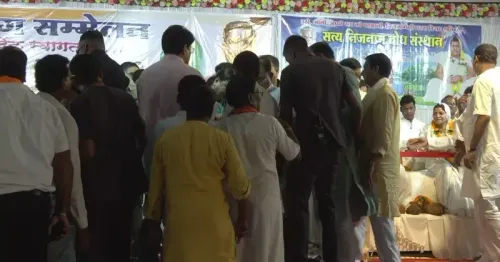
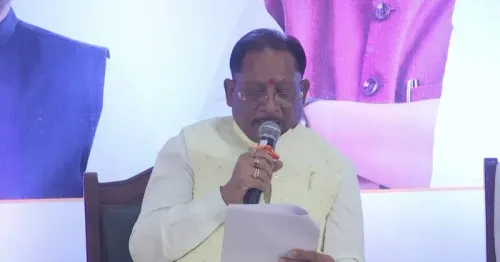
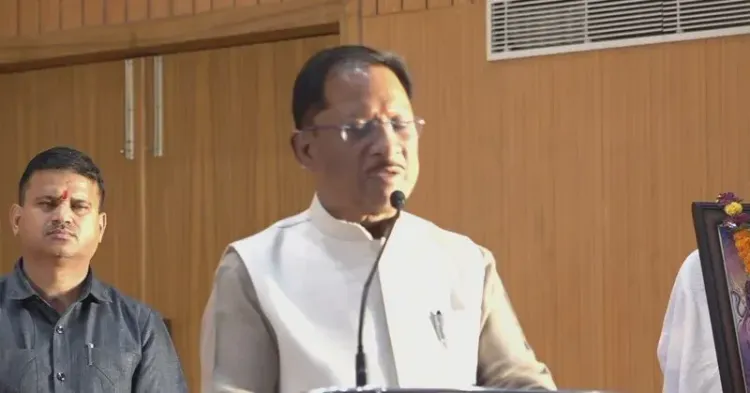
Chhattisgarh CM Vishnu Deo Sai participated in the Go Seva Sangam programme on 20 July 2026 and broadcast it live on social media.
The event — 'Cow Service Congregation' — brings together gaushala operators, livestock farmers, and religious volunteers around cow protection and welfare.
Chhattisgarh has enforced cow slaughter bans and supported gaushala networks under BJP governance since at least 2018 .
The Rashtriya Gokul Mission , a central scheme launched in 2014 , provides the national policy backbone for state-level indigenous cattle conservation.
Key beneficiaries include gaushala operators dependent on state grants and livestock farmers raising indigenous breeds.
Budget allocations for gaushalas in the next Chhattisgarh assembly session will be a key indicator of follow-through from the event.
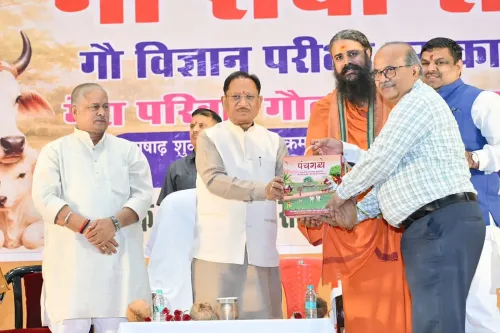
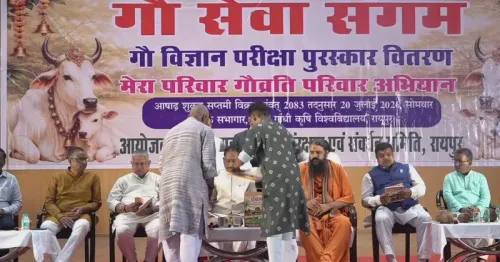
Chhattisgarh Chief Minister Vishnu Deo Sai participated in the Go Seva Sangam programme on Monday, 20 July 2026, sharing the event live with his followers on social media. The programme, whose title translates to 'Cow Service Congregation', underscores the BJP-led state government's continued emphasis on cow welfare as a pillar of its cultural and agricultural policy.
Context
The Go Seva Sangam — go seva meaning 'service to the cow' — is a congregation-style event that brings together gaushala operators, livestock farmers, religious organisations, and volunteers around the theme of cow protection and welfare. Chief Minister Sai, who has held office since December 2023, has consistently positioned animal husbandry and cow welfare as priorities for the Chhattisgarh government.
Events of this kind typically feature addresses by senior leaders, recognition of gaushala workers, and announcements related to state support for indigenous cattle. The broadcast format signals an effort to reach a wider rural and semi-urban audience across the state.
Policy Backdrop
Chhattisgarh, under successive BJP administrations, has enforced cow slaughter bans and built out a network of state-supported gaushalas since at least 2018. These efforts align with the central government's Rashtriya Gokul Mission, launched in 2014, which funds the conservation and development of indigenous cattle breeds across Indian states.
The BJP's cow-welfare agenda combines three distinct strands: cultural and religious sentiment around the cow as a sacred animal, rural-economy support for farmers who depend on indigenous breeds for milk and draught power, and legislative protection through state-level slaughter-prevention laws. Go Seva Sangam-style events serve as a visible platform where all three strands converge.
Stakeholders and Impact
The primary beneficiaries of programmes emerging from such conclaves are gaushala operators — who often depend on state grants for feed and infrastructure — and livestock farmers maintaining indigenous breeds such as the Gir, Sahiwal, and Chhattisgarhi cattle varieties. Volunteer and religious organisations aligned with the broader Sangh Parivar ecosystem are also consistent participants in these events.
For rural communities, state-backed cow welfare schemes can translate into subsidised fodder, veterinary services, and support for biogas or organic-manure projects linked to gaushala operations. The live broadcast of the event by the Chief Minister's office amplifies its reach beyond the immediate audience.
What's Next
Observers will watch the next Chhattisgarh assembly session for potential announcements on state budget allocations to gaushalas or new funding lines under the Rashtriya Gokul Mission. Any concrete policy or financial commitments made at the Go Seva Sangam would provide a clearer picture of the government's near-term priorities in the animal husbandry sector.
As BJP-ruled states continue to institutionalise cow-welfare programming, Chhattisgarh's approach — combining legislative, budgetary, and community-outreach tools — is likely to serve as a reference point for similar initiatives elsewhere in the country.
Point of View
Religious, and rural-economy constituencies. By broadcasting the programme, the government signals that cow protection is not merely a legislative commitment but an active, visible governance priority. This mirrors similar conclaves held in Uttar Pradesh, Madhya Pradesh, and Rajasthan, suggesting a coordinated, party-wide strategy rather than a state-specific initiative. The real test will be whether the event translates into measurable budgetary commitments for gaushalas and livestock farmers in the next assembly session.
NationPress
21 Jul 2026
Frequently Asked Questions
What is Go Seva Sangam in Chhattisgarh?
Go Seva Sangam is a cow-welfare congregation programme organised in Chhattisgarh that brings together gaushala operators, livestock farmers, religious organisations, and volunteers to promote cow protection, indigenous cattle conservation, and related rural-economy initiatives.
What did CM Vishnu Deo Sai do at Go Seva Sangam?
Chhattisgarh Chief Minister Vishnu Deo Sai participated in the Go Seva Sangam programme on 20 July 2026 and shared the event as a live broadcast on his social media channels.
What is the Rashtriya Gokul Mission?
The Rashtriya Gokul Mission is a central government scheme launched in 2014 to conserve and develop indigenous cattle breeds across India, providing funding that state governments including Chhattisgarh draw upon for gaushala and cattle-welfare programmes.
What is Chhattisgarh's policy on cow protection?
Chhattisgarh enforces a ban on cow slaughter and supports a network of state-funded gaushalas. Under BJP governance since at least 2018, the state has aligned its animal husbandry policy with both cultural priorities and the central Rashtriya Gokul Mission framework.
Who benefits from gaushala schemes in Chhattisgarh?
The primary beneficiaries are gaushala operators who receive state grants for feed and infrastructure, and livestock farmers who raise indigenous cattle breeds and may access subsidised fodder, veterinary services, and support for biogas or organic-manure projects.