CM Vishnu Deo Sai Celebrates Nuakhai With Kolta Samaj in Raigarh
Synopsis
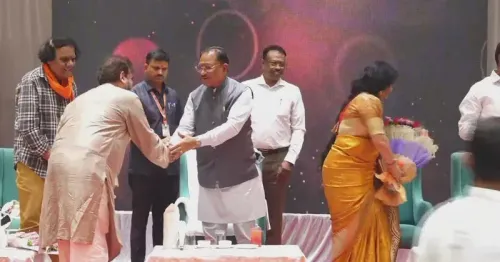
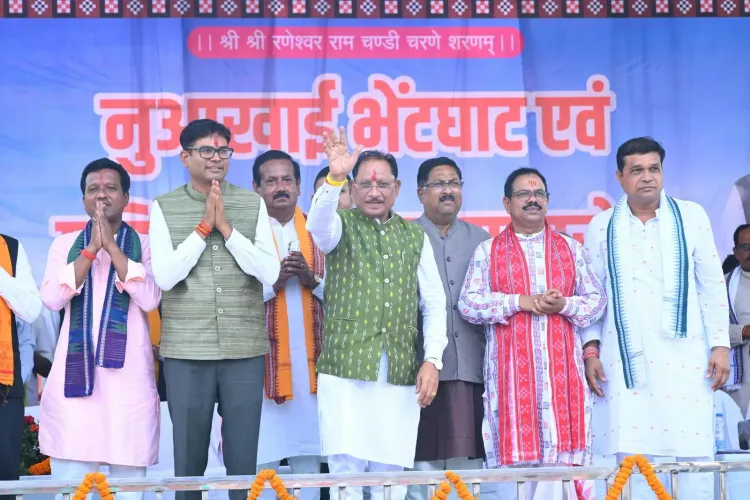
Chhattisgarh Chief Minister Vishnu Deo Sai celebrated Nuakhai with the Kolta Samaj in Raigarh on 15 October 2026, attending a Bhentghat and Pratibha Samman Samaroh that honoured talented community youth during the harvest festival.
Key Takeaways
CM Vishnu Deo Sai attended the Kolta Samaj's Nuakhai Bhentghat and Pratibha Samman Samaroh in Raigarh on 15 October 2026 .
Nuakhai is a harvest festival celebrated across parts of Chhattisgarh and western Odisha, marking the first offering of the new crop.
The event included a Pratibha Samman ceremony felicitating meritorious young members of the Kolta community.
The Kolta Samaj is a Scheduled Caste community organisation with a strong presence in eastern Chhattisgarh.
CM Sai called preserving folk-festivals and passing them to the next generation a 'shared responsibility of us all.'
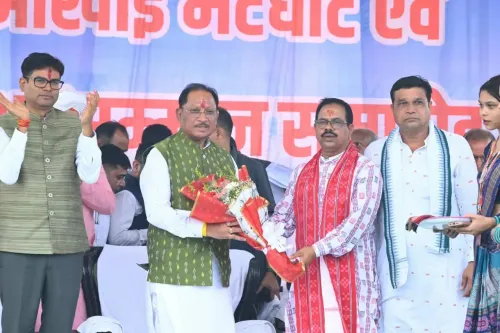
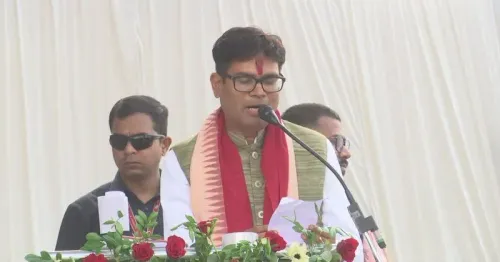
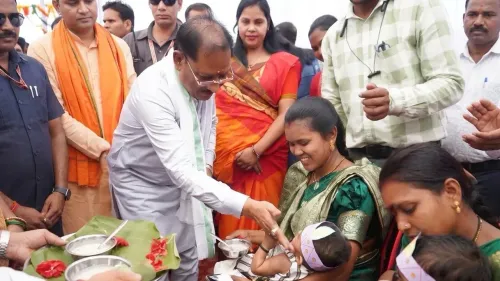
A harvest festival that links farmers to the soil, generations to their roots, and communities to each other — Chhattisgarh Chief Minister Vishnu Deo Sai marked Nuakhai on Thursday, 15 October 2026, by joining the Kolta Samaj's 'Nuakhai Bhentghat and Pratibha Samman Samaroh' in Raigarh, honouring talented young achievers from the community alongside the seasonal celebrations.
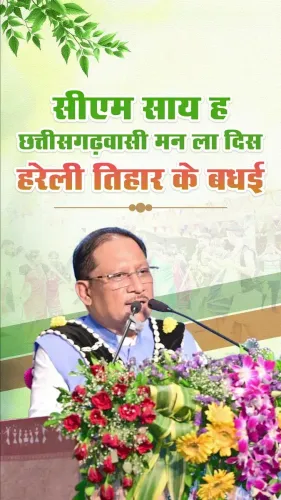
Sharing the occasion on X, CM Sai described Nuakhai as 'nai fasal ki khushiyon, annadata ke parishram aur prakriti ke prati kritagyata ka pavan parv' — 'a sacred festival of new-harvest joy, the toil of the farmer, and gratitude towards nature.' He called the festival a 'beautiful expression of our rich agricultural culture and deep bond with our land.'
Raigarh's Kolta Samaj and the Pratibha Samman
The Kolta community — a Scheduled Caste group with a strong presence in eastern Chhattisgarh — organises the Bhentghat programme as a gathering where community members meet, share the spirit of the harvest, and celebrate their own. This year's event added a Pratibha Samman Samaroh, felicitating meritorious sons and daughters of the community. CM Sai personally honoured the awardees and wished them a bright future.
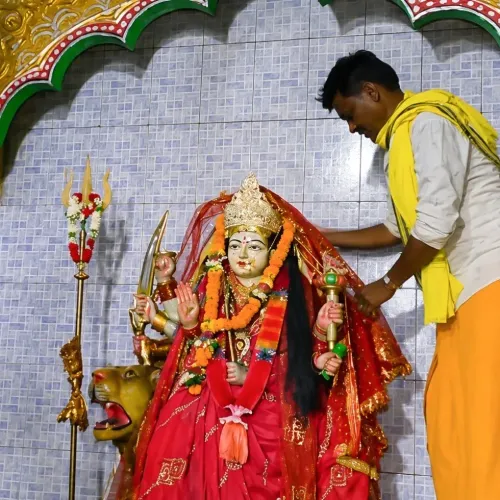
Raigarh district, situated in the eastern belt of Chhattisgarh near the Odisha border, has a significant tribal and Scheduled Caste population, making it a natural heartland for Nuakhai observances. The festival itself is celebrated across parts of Chhattisgarh and western Odisha, marking the point in the agricultural calendar when the new crop is first offered to the deity before being consumed.
Nuakhai's Roots — and Why It Still Matters
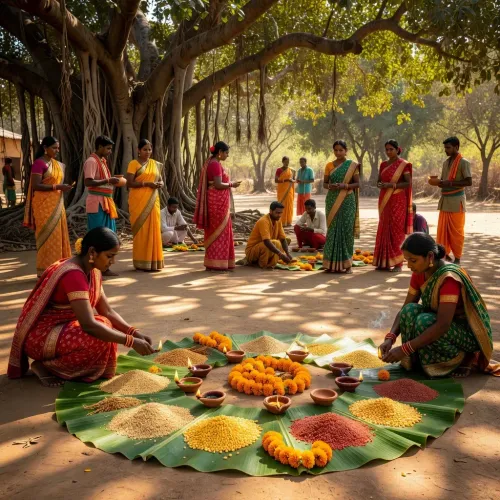
Nuakhai is not a state holiday engineered by a tourism department. It is a living agrarian ritual — families prepare the first grain of the new season, offer it in prayer, and then share it with elders and kin. The word itself means 'new food.' For communities whose identity is inseparable from cultivation, the festival is an annual renewal of both the land and the social bond.
CM Sai underlined precisely this continuity in his post, writing that 'hamare lokparv aur paramprayen peedhiyon ko apni jadon se jodti hain' — 'our folk-festivals and traditions connect generations to their roots and strengthen the sense of unity and warmth in society.' He called passing these traditions to the next generation a 'shared responsibility of us all.'
Indian state leaders have long used harvest-festival appearances as a visible bridge between the government and agrarian populations. In Chhattisgarh — a state where farming and forest communities form the demographic core — these occasions carry genuine political and cultural weight, not merely optics.
For the Kolta Samaj of Raigarh, the Chief Minister's presence on the occasion of Nuakhai was both an affirmation of their cultural identity and a signal that their community's achievers merit the state's attention. The harvest is in; the honour is given. The next generation has been told, plainly, that their roots are worth keeping.
Point of View
Personalised ties with Scheduled Caste and agrarian communities — constituencies that proved decisive in the state's December 2023 assembly election. By combining cultural endorsement with a merit-award ceremony, the event frames the ruling party simultaneously as a guardian of tradition and a sponsor of social mobility. It is a low-cost, high-visibility formula that state governments across India have refined over decades — but in Chhattisgarh, where tribal and SC communities constitute a large share of voters, it carries more than routine symbolic weight.
NationPress
15 Oct 2026
Frequently Asked Questions
What is Nuakhai festival and where is it celebrated?
Nuakhai is a harvest festival celebrated mainly in parts of Chhattisgarh and western Odisha. The word means 'new food,' and the festival marks the first offering of the new crop to the deity before it is consumed by the family, expressing gratitude to nature and honouring farmers.
What is the Kolta Samaj?
The Kolta Samaj is a community organisation of the Kolta people, a Scheduled Caste group found predominantly in Chhattisgarh. The Samaj organises the annual Nuakhai Bhentghat programme in Raigarh, bringing community members together during the harvest season.
Why did CM Vishnu Deo Sai attend the Nuakhai event in Raigarh?
CM Vishnu Deo Sai attended the Kolta Samaj's Nuakhai Bhentghat and Pratibha Samman Samaroh in Raigarh to share the harvest festival's joy with community members and to personally honour talented young achievers. He also used the occasion to emphasise the importance of preserving folk-traditions.
What is Pratibha Samman Samaroh?
Pratibha Samman Samaroh is a felicitation ceremony held alongside the Nuakhai Bhentghat event where meritorious students and achievers from the Kolta community are publicly honoured and given recognition for their accomplishments.
Who is Vishnu Deo Sai?
Vishnu Deo Sai is the Chief Minister of Chhattisgarh and a senior BJP leader. He assumed office in December 2023 after the BJP won the Chhattisgarh assembly elections.