CM Vishnu Deo Sai Greets Chhattisgarh on Hareli 2026
Synopsis
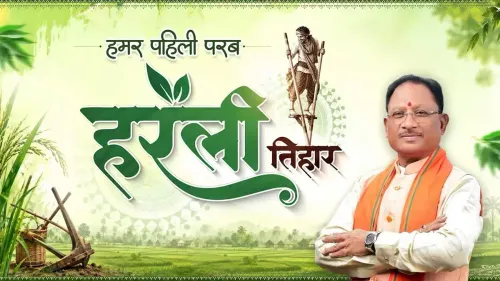
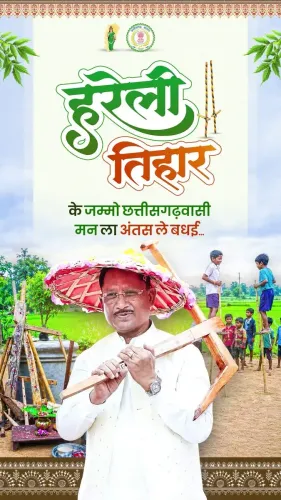
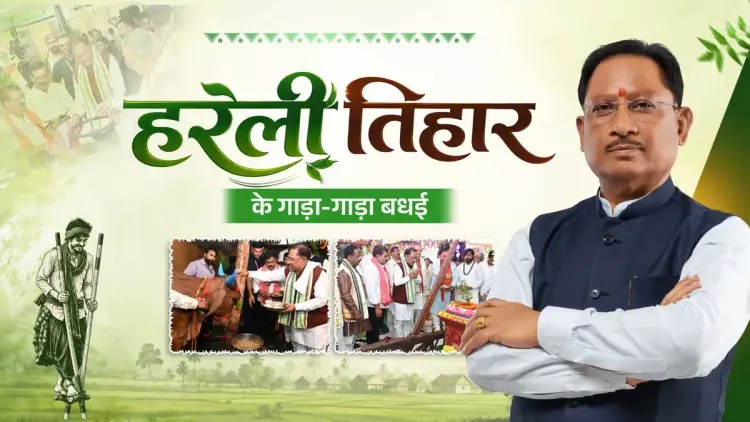
Chhattisgarh CM Vishnu Deo Sai marked Hareli 2026 with a Chhattisgarhi verse celebrating cattle rituals, plough worship, gedi races, and community feasts — invoking the full texture of the state's premier monsoon festival.
Key Takeaways
CM Vishnu Deo Sai posted Hareli 2026 greetings on 12 August 2026 in the Chhattisgarhi language.
Hareli is Chhattisgarh's first major festival of the agricultural calendar, falling during the Sawan monsoon month.
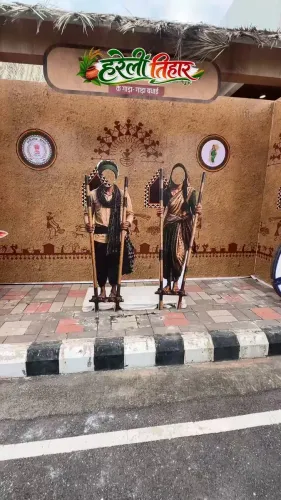
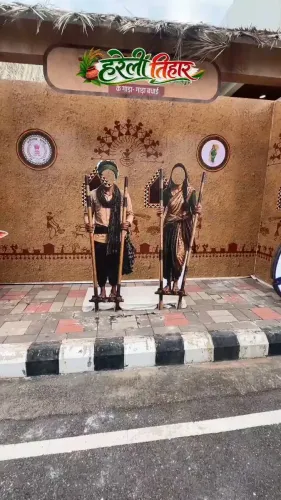
Rituals include cattle bathing and decoration, plough worship ( nanghar puja ), medicinal dough offerings to animals, and gedi (bamboo stilt) races.
The post invokes farmers, women, elders, and children as equal participants in the celebration.
CM Sai wrote in Chhattisgarhi — not Hindi — signalling cultural solidarity with the state's rural and tribal communities.
The monsoon has arrived, the fields are green, and Chhattisgarh is ready to celebrate its most beloved agrarian festival. On Wednesday, 12 August 2026, Chief Minister Vishnu Deo Sai shared a heartfelt greeting in Chhattisgarhi verse, invoking the sights, sounds, and rituals of Hareli — the state's first major festival of the agricultural calendar.
In his post, CM Sai wrote: 'Khushhali leke aais Hareli, sab milke tihaar manaabo ji' — 'Hareli has come bearing prosperity; let us all celebrate together.' The verses paint a vivid tableau: cattle bathed and adorned, offerings of gudhaa cheela and gulgul bhajiya placed before the deities, the gedi (bamboo stilts) climbed, spinning tops set loose, and children swung on Sawan swings. Farmers worship their ploughs, women draw chauk-chandan (sacred threshold patterns), and the blacksmith hammers a protective nail into the doorframe — every image a living thread in Chhattisgarh's rural fabric.
What Hareli Means to Chhattisgarh's Farmers
Hareli — derived from the word for 'green' — falls during the Sawan month and marks the point in the kharif cycle when paddy seedlings have taken root and the hardest planting labour is done. It is a moment of collective exhale. Farmers clean and worship their agricultural tools — the plough (nanghar) most prominently — as a thanksgiving to the implements that sustain their livelihoods. Cattle are washed, decorated, and fed medicinal dough balls (aata dawai ke londi), a folk-veterinary tradition that blends ritual with practical animal care. The festival is also unmistakably communal: gedi races, bhowra (spinning top) contests, and Sawan swings turn village squares into open-air fairgrounds. It belongs equally to farmers, women, elders, and children — a rare festival that cuts across age and gender with the same energy.Why a CM's Verse in Chhattisgarhi Matters
CM Sai's choice to write in Chhattisgarhi — not Hindi, not English — is itself a statement. The language is the mother tongue of the state's predominantly rural and tribal population, and using it signals cultural solidarity rather than administrative distance. Chhattisgarh, carved out of Madhya Pradesh in 2000, has a strong tradition of state administrations anchoring their public identity in agrarian and tribal festivals. Hareli greetings from the Chief Minister's office have become a fixture of that calendar. For a state where agriculture employs the majority of the workforce, the festival is not folklore preserved in amber — it is lived reality. CM Sai's greeting, rich with specific ritual detail rather than generic well-wishing, lands as recognition of that reality. As the neem branches are tucked into doorways and the ploughs are garlanded across Chhattisgarh's villages this Hareli, the Chief Minister's message is simple and direct: prosperity has arrived with the rains — now celebrate it together.Point of View
But the specificity of CM Sai's Hareli verse — naming individual rituals, foods, and community roles — elevates it above boilerplate goodwill messaging. For a BJP government in a state with a large tribal and agrarian electorate, demonstrating fluency in Chhattisgarhi cultural idiom is a deliberate act of political identity-building. Hareli also offers an annual opportunity to align the ruling party with farmer welfare narratives ahead of any kharif-season policy conversations. The festival's emphasis on collective community action — everyone from the blacksmith to the farmer to the woman of the household — maps neatly onto inclusive-governance messaging that state governments across India have increasingly leaned into.
NationPress
12 Aug 2026
Frequently Asked Questions
What is Hareli festival in Chhattisgarh?
Hareli is Chhattisgarh's first major festival of the agricultural year, celebrated during the Sawan month of the monsoon season. Farmers worship their ploughs and other tools, cattle are bathed and decorated, and communities gather for feasts, gedi (bamboo stilt) races, and Sawan swings.
When is Hareli 2026?
Hareli 2026 falls in August 2026 during the Sawan monsoon period. CM Vishnu Deo Sai posted his greetings on 12 August 2026.
What did CM Vishnu Deo Sai say on Hareli 2026?
CM Sai shared a Chhattisgarhi verse saying 'Hareli has come bearing prosperity; let us all celebrate together,' invoking rituals of cattle worship, plough puja, community feasts, and folk games like gedi and bhowra.
Why is Hareli important for farmers in Chhattisgarh?
Hareli marks the point in the kharif paddy cycle when planting is complete. It is a collective thanksgiving for agricultural tools and cattle, and a community celebration before the crop matures — making it deeply tied to the livelihood of Chhattisgarh's farming population.
What language did CM Sai use for his Hareli post?
CM Sai wrote his Hareli 2026 greeting in Chhattisgarhi, the mother tongue of the state's predominantly rural and tribal population, rather than Hindi or English.