CM Dhami Wishes Folk Legend Narendra Singh Negi on Birthday
Synopsis
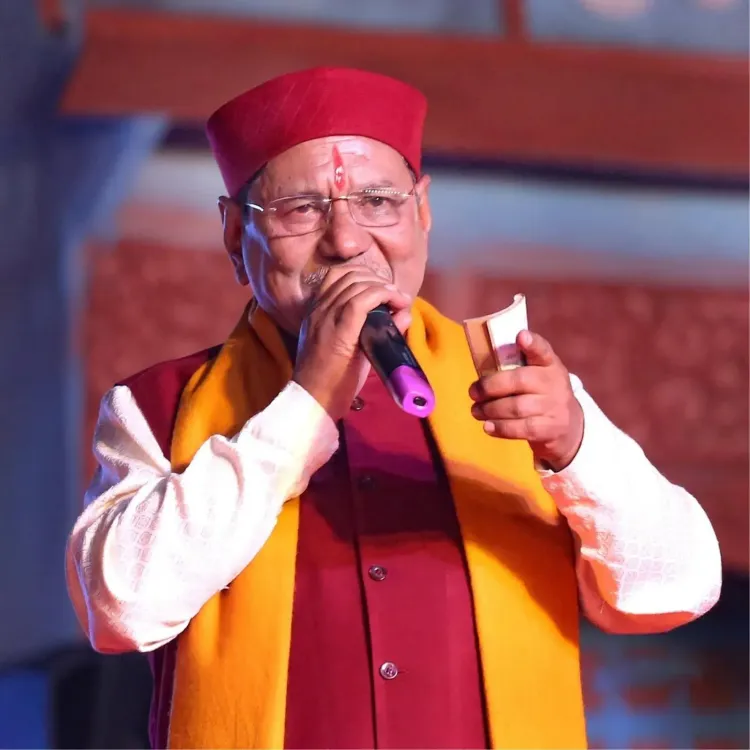
Uttarakhand Chief Minister Pushkar Singh Dhami extended birthday greetings to celebrated Garhwali folk singer Narendra Singh Negi, honoured as 'Garh Ratna', praising his lifelong contributions to the state's folk culture, language, and music, and invoking Maa Dhari Devi's blessings for his health and well-being.
Key Takeaways
Narendra Singh Negi is a renowned Garhwali folk singer awarded the title 'Garh Ratna' for enriching Uttarakhand's folk culture, language, and music.
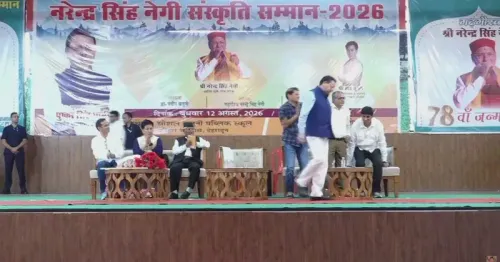
CM Pushkar Singh Dhami publicly wished Negi on his birthday on August 12, 2026 via a post on X.
Dhami invoked Maa Dhari Devi , Uttarakhand's revered guardian deity, praying for Negi's health and well-being.
The tribute reflects the Uttarakhand government's consistent emphasis on preserving Garhwali and Kumaoni folk arts as part of regional identity.
Negi's compositions are considered a living archive of Garhwal's customs, landscape, and social life.
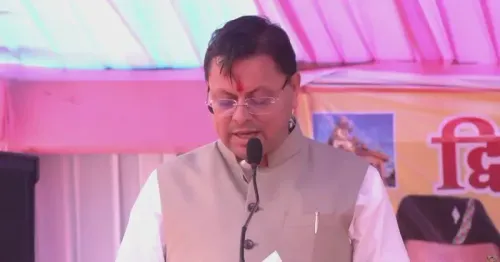
A voice that has carried the mountains of Uttarakhand into millions of homes turned another year older on Wednesday, August 12, 2026 — and Uttarakhand Chief Minister Pushkar Singh Dhami made sure the occasion did not pass quietly, extending warm birthday greetings to celebrated folk singer Narendra Singh Negi, fondly honoured with the title 'Garh Ratna' (Jewel of Garhwal).
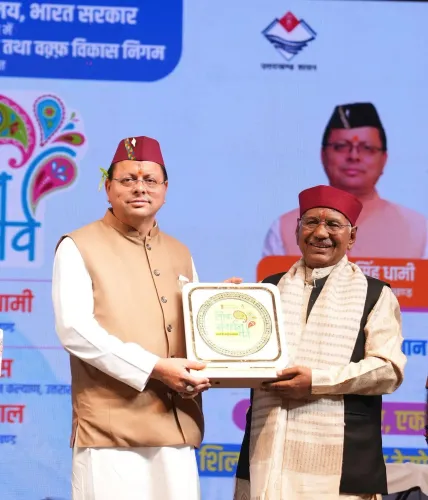
In his post, CM Dhami wrote: 'Heartfelt birthday congratulations and best wishes to renowned folk singer and Garh Ratna Shri Narendra Singh Negi ji, who has enriched Uttarakhand's folk culture, folk language, and folk music through his compositions. I pray to Maa Dhari Devi for your happy, healthy, and auspicious life.'
The Man Behind the 'Garh Ratna' Title
Narendra Singh Negi is widely regarded as the foremost voice of Garhwali folk music, having spent decades composing and performing songs that document the landscape, customs, and everyday life of the Garhwal hills. His work spans themes from seasonal festivals and agricultural rhythms to social commentary, making him a living archive of a culture that faces pressure from rapid urbanisation and migration. The title 'Garh Ratna' — bestowed in recognition of this body of work — places him among Uttarakhand's most treasured cultural figures.
Dhari Devi's Blessing and What It Signals
CM Dhami's invocation of Maa Dhari Devi — the presiding deity of a revered temple site in Uttarakhand — is deliberate and culturally resonant. Dhari Devi is considered the guardian goddess of the state, and prayers offered in her name carry deep local meaning. By weaving her blessing into a public birthday message, the Chief Minister signals not just personal regard for Negi, but an alignment of the state's political leadership with Uttarakhand's spiritual and cultural identity.
Indian state chief ministers routinely use social media to acknowledge regional cultural icons, but the specificity here — naming both the folk tradition and the deity — lifts this beyond a standard courtesy post. Uttarakhand governments have long tied the preservation of Garhwali and Kumaoni folk arts to broader goals of cultural tourism and regional identity-building, and Negi's work sits at that intersection.
For a state whose hills have seen steady outmigration and whose younger generations increasingly consume mainstream Hindi and global pop, a sitting Chief Minister publicly celebrating a Garhwali folk legend is itself a small act of cultural policy — a reminder that the mountain voice still matters at the top.
Point of View
Championing folk icons like Negi complements its cultural nationalism narrative while also serving genuine grassroots sentiment. The real test, however, lies in whether such social media tributes translate into sustained institutional support for folk music preservation and artist welfare.
NationPress
26 Sept 2026
Frequently Asked Questions
Who is Narendra Singh Negi?
Narendra Singh Negi is a celebrated Garhwali folk singer from Uttarakhand, widely regarded as one of the most important voices in the state's folk music tradition. He has been honoured with the title 'Garh Ratna' for his decades of work enriching Uttarakhand's folk culture, dialects, and traditional music through original compositions.
What does 'Garh Ratna' mean?
'Garh Ratna' translates to 'Jewel of Garhwal' and is an honorary title recognising outstanding contribution to Garhwali culture, arts, or public life. Narendra Singh Negi received this title for his exceptional body of work in Garhwali folk music.
Why did CM Dhami mention Maa Dhari Devi in his birthday message?
Maa Dhari Devi is the presiding guardian deity of Uttarakhand, revered across the state. CM Dhami's invocation of her blessing for Negi's health and well-being reflects both personal faith and a culturally resonant gesture for Uttarakhand's hill communities, for whom Dhari Devi holds deep spiritual significance.
What is the significance of Garhwali folk music in Uttarakhand?
Garhwali folk music is a core part of Uttarakhand's cultural identity, documenting the region's festivals, agricultural life, landscapes, and social customs. Artists like Narendra Singh Negi have kept this tradition alive amid urbanisation and outmigration, making them important custodians of the state's intangible heritage.
Does the Uttarakhand government support folk arts?
Uttarakhand governments have consistently linked the preservation of Garhwali and Kumaoni folk arts to the state's cultural tourism and regional identity goals. Public tributes by political leaders to folk artists like Negi are part of this broader pattern of signalling state support for traditional culture.