CM Vishnu Deo Sai Greets Chhattisgarh on Papankusha Ekadashi
Synopsis
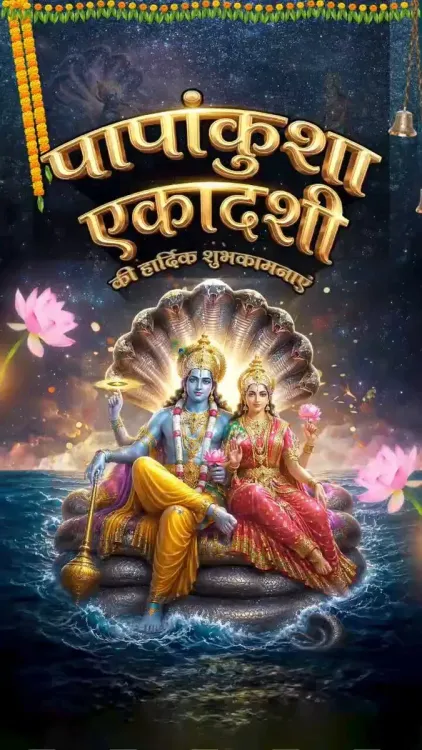
Chhattisgarh Chief Minister Vishnu Deo Sai extended greetings to all state residents on Papankusha Ekadashi on 22 October 2026, invoking Lord Vishnu's blessings for peace, prosperity, and harmony across the state.
Key Takeaways
CM Vishnu Deo Sai posted Papankusha Ekadashi greetings for all Chhattisgarh residents on 22 October 2026 .
The message opened with the Vaishnava invocation ॐ नमो नारायणाय , a salutation to Lord Vishnu .
Papankusha Ekadashi is observed on the eleventh day of the bright fortnight in Ashwin, dedicated to Lord Vishnu for the removal of sins.
The CM prayed for happiness, peace, prosperity, and goodwill in the lives of all state residents.
Such festival greetings are a consistent part of Indian chief ministers' public outreach across party lines.
A prayer for peace, prosperity, and harmony — Chhattisgarh Chief Minister Vishnu Deo Sai extended warm greetings to all residents of the state on the occasion of Papankusha Ekadashi on Thursday, 22 October 2026.
Opening with the devotional invocation 'ॐ नमो नारायणाय' ('Om Namo Narayanaya' — a salutation to Lord Vishnu), the Chief Minister wrote: 'May the grace of Lord Shrihari fill the lives of all with happiness, peace, prosperity, and goodwill — this is my prayer.'
What is Papankusha Ekadashi?
Papankusha Ekadashi is a Hindu observance dedicated to Lord Vishnu, falling on the eleventh day (ekadashi) of the bright fortnight in the month of Ashwin. The name carries deep meaning — papankusha translates roughly to 'the goad that destroys sin', and devotees observe fasts and offer prayers believing the day carries special power to absolve past wrongdoings and secure divine blessings. It is widely observed across north and central India, including in Chhattisgarh.A Routine of Public Outreach Through the Hindu Calendar
For CM Sai, such greetings are part of a consistent pattern of public engagement. Indian state leaders across party lines mark major Hindu calendar events with social-media messages, reaching constituents in a register that is both culturally resonant and personally familiar. The message reinforces a connection with the state's large community of Hindu devotees and signals active participation in the cultural life of Chhattisgarh. With the next wave of seasonal Hindu festivals on the horizon, similar observances from the Chief Minister's account are expected in the weeks ahead.Point of View
High-reach constituency outreach in Indian politics. For Vishnu Deo Sai, invoking a Vaishnava observance is particularly resonant given his own name's association with Lord Vishnu. Such messages serve a dual function — cultural affirmation for the majority Hindu electorate and a signal of personal piety. While the content carries no policy weight, the regularity of such posts builds a steady rhythm of presence that supplements harder political messaging.
NationPress
22 Oct 2026
Frequently Asked Questions
What is Papankusha Ekadashi and when is it observed?
Papankusha Ekadashi is a Hindu fasting day dedicated to Lord Vishnu, observed on the eleventh day of the bright fortnight in the month of Ashwin. It is believed to cleanse past sins and bring divine blessings.
What did Chhattisgarh CM Vishnu Deo Sai say on Papankusha Ekadashi 2026?
CM Vishnu Deo Sai wished all Chhattisgarh residents on Papankusha Ekadashi, praying that Lord Shrihari's grace bring happiness, peace, prosperity, and goodwill into their lives.
Who is Vishnu Deo Sai?
Vishnu Deo Sai is the Chief Minister of Chhattisgarh and a senior BJP leader. He took charge as CM following the BJP's victory in the Chhattisgarh assembly elections.
Why do Indian chief ministers post religious festival greetings?
Posting festival greetings is a standard practice among Indian state leaders across parties. It serves as public outreach, connecting leaders with constituents through culturally significant occasions on the Hindu calendar.
What does the invocation 'Om Namo Narayanaya' mean?
'Om Namo Narayanaya' is a Vaishnava salutation meaning 'I bow to Lord Narayana (Vishnu).' It is one of the most widely used devotional invocations in Hinduism.