CM Mohan Yadav Inspects Barwani Sub-Health Centre
Synopsis
Madhya Pradesh Chief Minister Dr. Mohan Yadav inspected the Talun sub-health centre in Barwani on 14 August 2026, reviewing maternal care, immunisation, sickle cell patient tracking, the Anmol portal, and the Green Commando campaign for remote tribal health outreach.
Key Takeaways
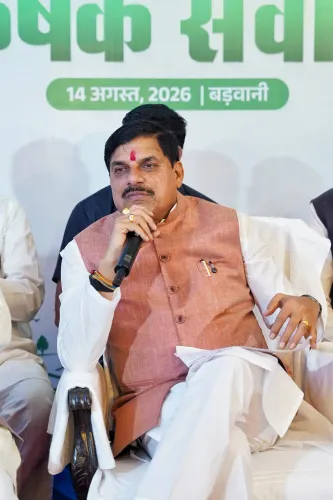
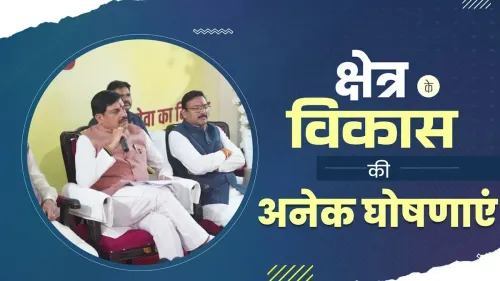
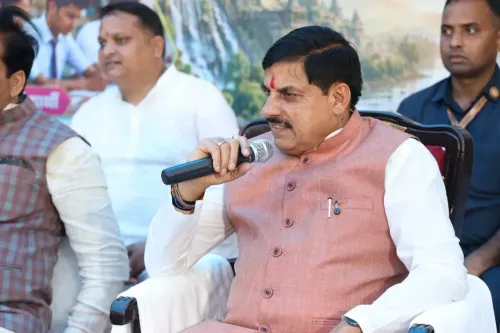
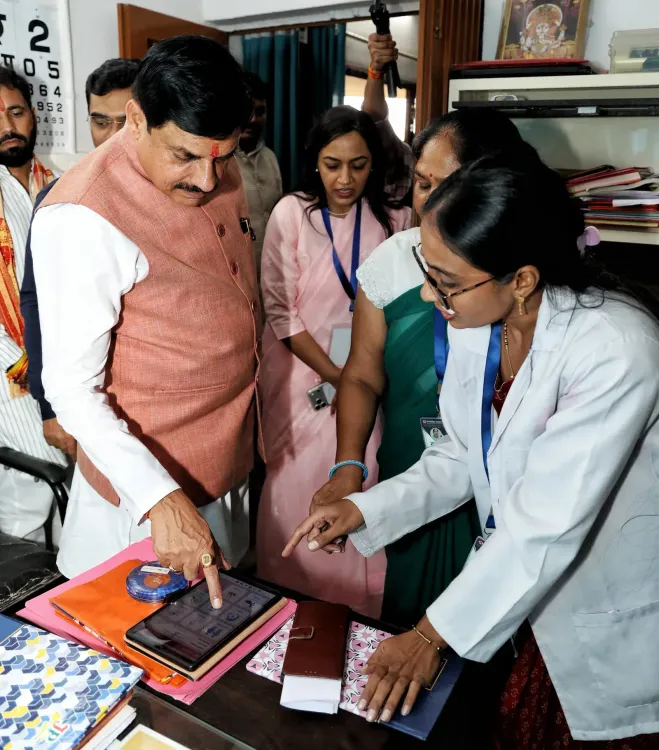
Mohan Yadav conducted an on-ground inspection of the sub-health centre at Talun, Barwani on 14 August 2026 .
He reviewed health services for pregnant women and children , immunisation status, and medicine availability.
A health map tracking high-risk pregnancies, malnourished children, and sickle cell patients was examined during the visit.
The Chief Minister was briefed on the Anmol portal for digital health record entry and the 'Green Commando' campaign for outreach to remote tribal settlements.
He directed officials to ensure timely delivery of health services to those in need in rural and inaccessible areas.
The visit aligns with the National Sickle Cell Anaemia Elimination Mission (2023) , which targets tribal districts like Barwani ahead of the 2047 deadline.
In the tribal heartland of western Madhya Pradesh, Madhya Pradesh Chief Minister Dr. Mohan Yadav walked into the sub-health centre at Talun, Barwani on Friday, 14 August 2026 — not for a ribbon-cutting, but for a ground-level audit of whether the state's maternal and child health machinery is actually reaching the people who need it most.
The Chief Minister reviewed health services available for pregnant women and children, assessed immunisation coverage, and checked the availability of medicines at the centre. He also examined a health mapping system used to track high-risk pregnancies, malnourished children, and patients affected by sickle cell disease — a condition that disproportionately burdens Scheduled Tribe communities across Barwani and neighbouring districts.
Anmol Portal and the 'Green Commando' Push into Remote Settlements
Dr. Yadav took stock of data entry being carried out on the Anmol portal, a digital platform used to log maternal and child health records at the sub-centre level. He also received a briefing on the 'Green Commando' campaign — an initiative aimed at extending health services into distant tribal hamlets that conventional outreach struggles to reach.
Issuing directions to ensure timely delivery of health facilities to those in need, the Chief Minister acknowledged the efforts being made to improve health access in rural and remote areas, calling them commendable. The inspection underscores the state's ongoing push to close the last-mile gap in tribal health delivery.
Barwani's Tribal Health Challenge — and the National Frame Behind It
Barwani is one of Madhya Pradesh's most tribal-heavy districts, where access to maternal care and disease surveillance has historically lagged behind urban centres. The sub-health centre network — strengthened under the National Health Mission since 2005 — forms the first line of care for millions in such geographies.
The sickle cell dimension carries particular national weight. The National Sickle Cell Anaemia Elimination Mission, announced in 2023, set an elimination target of 2047, with tribal districts like Barwani squarely in focus. Tracking affected patients through health maps at the sub-centre level is a key plank of that mission's surveillance strategy.
A chief minister walking into a rural sub-health centre to check medicine stocks and portal entries sends a signal to district administration that oversight extends beyond the secretariat. Whether ground realities in Barwani's tribal blocks shift as a result is the question health officials will now have to answer.
Point of View
But their political salience rises when they occur in tribal districts with measurable health deficits. Barwani's sickle cell burden and maternal health gaps make it a bellwether for the state's credibility on the National Sickle Cell Anaemia Elimination Mission. Dr. Yadav's focus on digital tools like the Anmol portal signals an intent to layer accountability infrastructure onto the existing outreach machinery. The real test is whether district-level health indicators in Barwani show movement — inspections generate pressure, but only sustained monitoring converts pressure into outcomes.
NationPress
29 Sept 2026
Frequently Asked Questions
Why did CM Mohan Yadav visit Barwani?
CM Dr. Mohan Yadav visited Barwani on 14 August 2026 to inspect the Talun sub-health centre and assess the quality of maternal and child health services, immunisation coverage, medicine availability, and tribal outreach programmes in the district.
What is the Green Commando campaign in Madhya Pradesh?
The Green Commando campaign is a Madhya Pradesh initiative aimed at extending health services to remote and distant tribal settlements that are difficult to reach through conventional outreach. CM Yadav reviewed its progress during his Barwani visit.
What is the Anmol portal used for?
The Anmol portal is a digital platform used at sub-health centres to record and track maternal and child health data, helping officials monitor service delivery at the grassroots level.
Why is sickle cell disease a concern in Barwani?
Barwani is a tribal-majority district in western Madhya Pradesh, and sickle cell anaemia disproportionately affects Scheduled Tribe populations. The National Sickle Cell Anaemia Elimination Mission, launched in 2023, targets such tribal districts for elimination of the disease by 2047.
What is the National Health Mission's role in rural health centres?
The National Health Mission, launched in 2005, funds and strengthens sub-health centres and primary care infrastructure in rural India, forming the backbone of maternal, child, and disease-surveillance services in districts like Barwani.