CM Mohan Yadav Backs Officer's Call on Congress Nominee's Disclosure Lapse
Synopsis
MP Chief Minister Dr. Mohan Yadav announced that scrutiny of Rajya Sabha nomination papers exposed a Congress candidate's concealment of a criminal case. BJP candidate Mahesh Kevat had filed an objection. The election officer ruled in line with the law, and Dr. Yadav called on Congress to introspect.
Key Takeaways
Scrutiny of Rajya Sabha nomination papers on June 9, 2026 revealed the Congress candidate had concealed a criminal case, which is legally required to be disclosed.
BJP candidate Mahesh Kevat had formally filed an objection against the Congress candidate's nomination papers.
A court had taken cognisance of the case against the Congress candidate and had issued a summons; the candidate had also filed a reply.
The election officer took a decision in accordance with the law, which Chief Minister Dr.
Mohan Yadav publicly welcomed.
Section 33A of the Representation of the People Act, 1951 , and a 2002 Supreme Court ruling mandate full disclosure of pending criminal cases in nomination affidavits.
Yadav called on the Indian National Congress to 'introspect' over the episode.
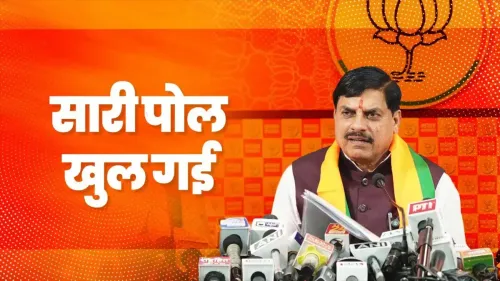
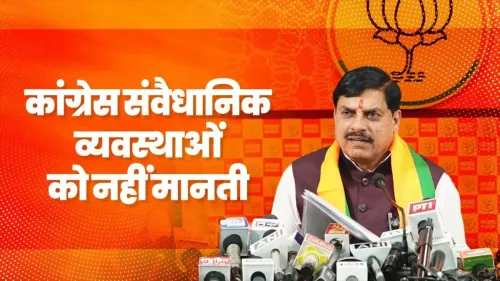
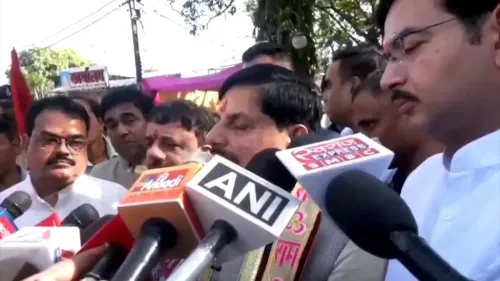
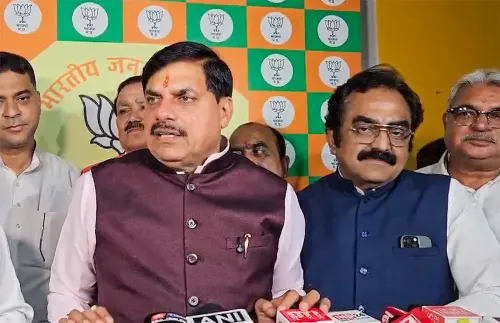
Madhya Pradesh Chief Minister Dr. Mohan Yadav on Tuesday, June 9, 2026, stated that scrutiny of nomination papers for the Rajya Sabha election revealed that the Congress candidate had concealed information related to a criminal case — a disclosure legally mandated under election law. The Chief Minister welcomed the election officer's decision taken in accordance with the law and called on the Congress to introspect.
Context
In his post, Dr. Yadav wrote: 'राज्यसभा निर्वाचन में आज नाम निर्देशन पत्र की जांच में यह तथ्य सामने आया कि कांग्रेस प्रत्याशी ने अपराध से संबंधित जानकारी को छिपाया था।' ('During scrutiny of nomination papers in today's Rajya Sabha election, it emerged that the Congress candidate had concealed information related to a criminal case.') He noted that the law required the candidate to disclose this information. BJP candidate Shri Mahesh Kevat had filed a formal objection in the matter.
According to Dr. Yadav, a court had already taken cognisance of the case registered against the Congress candidate and had issued a summons. The Congress candidate had also filed a reply in the matter. The election officer subsequently took a decision in accordance with the law — a decision the Chief Minister said he 'welcomes.'
Policy Backdrop
Indian election law has long required full disclosure of pending criminal cases at the nomination stage. A 2002 Supreme Court directive in Union of India v. Association for Democratic Reforms mandated that all candidates disclose criminal cases, assets, and educational qualifications in their nomination papers. Section 33A of the Representation of the People Act, 1951, codifies this requirement through a Form-26 affidavit that must accompany nomination papers.
Concealment of such information gives election officers the authority to act on valid objections filed by rival candidates. Returning officers are empowered under the Act to scrutinise affidavits and, where discrepancies are established, to take appropriate legal action on the nomination.
Stakeholders and Impact
Rajya Sabha members from Madhya Pradesh are elected indirectly by the state's legislative assembly. The outcome of this nomination dispute directly affects the party arithmetic of the seat being contested. BJP candidate Mahesh Kevat, who raised the objection, stands to benefit if the Congress nomination is adversely affected by the ruling.
The episode adds to a recurring pattern in Madhya Pradesh and other states where mutual allegations over candidate disclosures surface ahead of every round of indirect elections. For the Indian National Congress, the development is a political setback in a state where it is already in opposition, and Dr. Yadav's public call for the party to 'introspect' sharpens the BJP's messaging ahead of any further electoral contests in the state.
What's Next
The Congress may challenge the election officer's order before the Madhya Pradesh High Court or approach the Election Commission of India. The final outcome of the Rajya Sabha seat and whether the Congress candidate's nomination is formally rejected or upheld will determine the seat's result and its downstream effect on the state's representation in Parliament's upper house.
Legal scrutiny of nomination-stage affidavits has increasingly become a flashpoint in Indian elections, and this case may invite closer judicial attention to the adequacy of criminal-case disclosures by candidates across parties.
Point of View
With parties using objection mechanisms to press legal and reputational pressure on rivals. Chief Minister Yadav's swift public endorsement of the election officer's ruling — and his call for Congress to 'introspect' — is calibrated to amplify the political damage beyond the legal outcome. In a state where the BJP holds a commanding legislative majority, the incident reinforces the party's broader 'clean candidate' messaging. The Congress, already on the back foot in Madhya Pradesh, faces the dual challenge of a legal setback and a credibility question that the BJP will likely carry into future campaign cycles.
NationPress
24 Oct 2026
Frequently Asked Questions
What did the Congress candidate conceal in the Rajya Sabha nomination papers?
According to Chief Minister Dr. Mohan Yadav, the Congress candidate concealed information related to a pending criminal case, which is legally required to be disclosed in the nomination affidavit under Section 33A of the Representation of the People Act, 1951.
Who filed the objection against the Congress candidate's nomination?
BJP candidate Shri Mahesh Kevat filed the formal objection against the Congress candidate's nomination papers during the scrutiny process for the Madhya Pradesh Rajya Sabha election.
Is it mandatory to disclose criminal cases in Rajya Sabha nomination papers?
Yes. Section 33A of the Representation of the People Act, 1951, and a 2002 Supreme Court directive require all candidates to disclose pending criminal cases, assets, and educational qualifications in their Form-26 affidavit filed with nomination papers.
What action did the election officer take in this Rajya Sabha nomination dispute?
The election officer took a decision in accordance with the law after examining the objection filed by the BJP candidate. Chief Minister Dr. Mohan Yadav welcomed the ruling without specifying the exact nature of the order.
Can the Congress candidate challenge the election officer's ruling?
Yes. The Congress candidate or the party may challenge the election officer's order before the Madhya Pradesh High Court or approach the Election Commission of India for relief.