CM Mohan Yadav: Sandeepani Schools Drawing Students from Private Sector

Synopsis
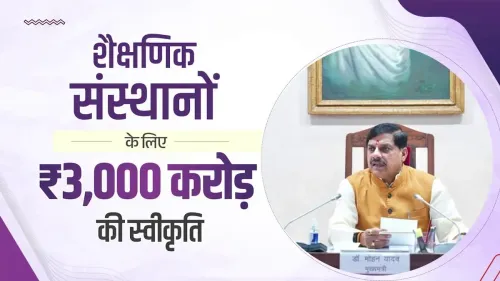
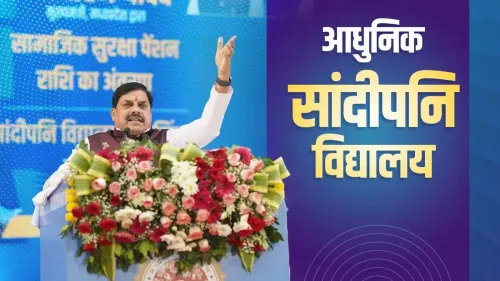
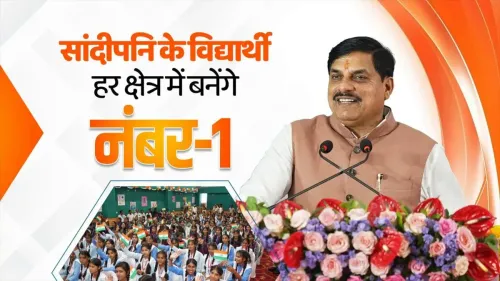
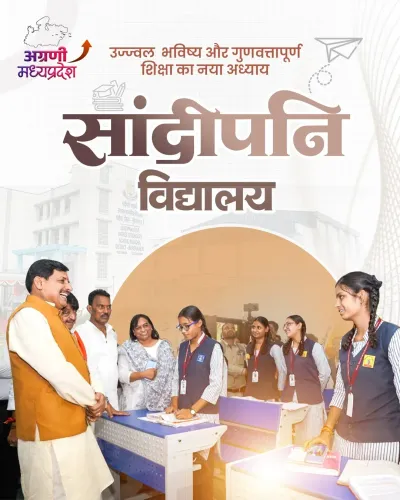
Chief Minister Dr. Mohan Yadav says Sandeepani Vidyalayas in Madhya Pradesh are becoming quality education hubs, with students now shifting from private schools to government institutions due to better facilities and academic environment.
Key Takeaways
The Chief Minister's Office of Madhya Pradesh quoted CM Dr.
Mohan Yadav on 17 July 2026 saying Sandeepani Vidyalayas are becoming centres of quality education.
Students are reportedly leaving private schools to enrol in Sandeepani Vidyalayas , reversing a long-standing trend in the state.
The initiative aligns with the National Education Policy 2020 's emphasis on equitable quality in government schools.
The Samagra Shiksha Abhiyan (2018) provides the central framework underpinning infrastructure and teacher training improvements in Madhya Pradesh .
The next UDISE enrolment report will be critical in verifying whether the student shift from private to government schools is statistically significant.
The Chief Minister's Office of Madhya Pradesh, citing remarks by Chief Minister Dr. Mohan Yadav, announced on Friday, 17 July 2026 that Sandeepani Vidyalayas across the state are emerging as centres of quality education, with students now leaving private schools to enrol in government institutions.
Context
Posting on X, the Chief Minister's Office quoted Dr. Mohan Yadav as saying: 'Saandeepani vidyalaya gunavattapurna shiksha ke kendr ban rahe hain' ('Sandeepani schools are becoming centres of quality education'). The Chief Minister added that a better academic environment and improved facilities are driving children out of private schools and into government schools — a reversal of a decades-old trend in Madhya Pradesh.
The post was accompanied by a video, suggesting the remarks were made at a public event or official address, though the venue was not specified in the post.
Policy Backdrop
The Sandeepani Vidyalaya initiative is part of Madhya Pradesh's broader push to reposition government schools as credible alternatives to private institutions. The effort draws on the framework of the Samagra Shiksha Abhiyan, a centrally sponsored scheme launched in 2018 that integrated multiple programmes to strengthen school infrastructure, teacher training, and learning outcomes across states.
At the national level, the National Education Policy 2020 explicitly called for equitable quality in government schools, providing policy cover for states to invest in public school upgrades. Madhya Pradesh's Sandeepani model represents a state-level response to that mandate, focusing on creating an environment competitive with fee-charging private institutions.
Indian states have increasingly pursued this strategy as private school enrolment grew steadily over the past two decades, pulling students — and public confidence — away from the government system. Reversing that flow, even partially, is considered a significant policy signal.
Stakeholders and Impact
The primary beneficiaries, if the trend holds, are students from lower- and middle-income families in Madhya Pradesh who previously stretched household budgets to afford private schooling. Rural parents, in particular, stand to gain if quality government schools reduce the financial burden of education without compromising learning standards.
The state education department bears responsibility for sustaining infrastructure investments and teacher quality to maintain the momentum. Any gap between political messaging and on-ground delivery could undermine the credibility of the initiative among parents who have already made the switch.
What's Next
The next release of the Unified District Information System for Education (UDISE) report will be a key data point to watch. Enrolment figures disaggregated by school type will either corroborate or complicate the Chief Minister's claims about students returning to the government system.
State budget allocations in the coming fiscal cycle for school upgrades and teacher recruitment will also indicate whether the Sandeepani push is a sustained policy commitment or a communication exercise. If enrolment data confirms the shift, Madhya Pradesh could become a reference model for other states navigating the same public-versus-private school dynamic.
Point of View
However, will lie in UDISE data: if enrolment numbers do not reflect the shift, the claim risks becoming a liability rather than an asset. Regardless, the messaging signals that education quality — not just access — is now a front-line political issue in Madhya Pradesh.
NationPress
15 Oct 2026
Frequently Asked Questions
What is Sandeepani Vidyalaya in Madhya Pradesh?
Sandeepani Vidyalaya is a government school initiative in Madhya Pradesh aimed at providing quality education with improved infrastructure and a better academic environment, positioning public schools as competitive alternatives to private institutions.
Are students really leaving private schools to join government schools in Madhya Pradesh?
Chief Minister Dr. Mohan Yadav has stated that students are shifting from private to government schools due to improved facilities in Sandeepani Vidyalayas. Independent verification through official enrolment data such as the UDISE report is pending.
What is the Samagra Shiksha Abhiyan and how does it relate to MP schools?
The Samagra Shiksha Abhiyan is a centrally sponsored scheme launched in 2018 that integrates multiple education programmes to strengthen school infrastructure and teacher training. Madhya Pradesh draws on this framework to support initiatives like Sandeepani Vidyalayas.
What did CM Mohan Yadav say about government schools on 17 July 2026?
CM Dr. Mohan Yadav said that Sandeepani Vidyalayas are becoming centres of quality education and that children are now leaving private schools to take admission in government schools because of a better academic environment and facilities.
How does the National Education Policy 2020 support government school upgrades in India?
The National Education Policy 2020 explicitly emphasises equitable quality in government schools, providing a national policy mandate for states like Madhya Pradesh to invest in public school infrastructure and learning environments to make them competitive with private institutions.