CM Mohan Yadav Reviews Simhastha-2028 Prep in Ujjain
Synopsis
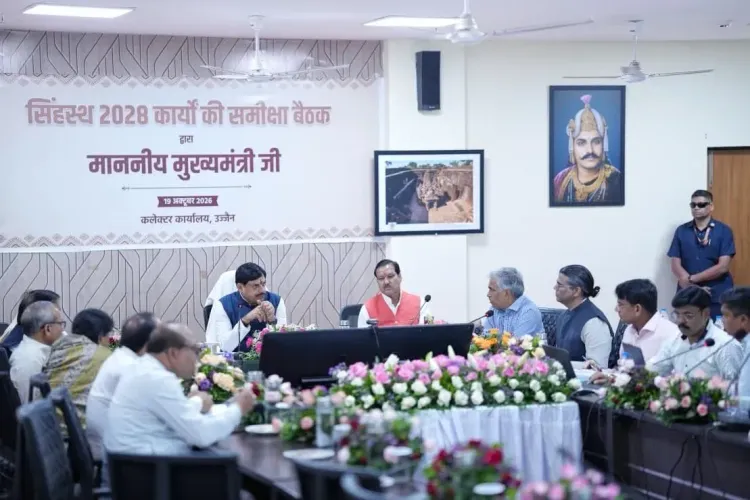
Chief Minister Dr. Mohan Yadav reviewed Simhastha-2028 preparations at Ujjain's Administrative Complex on October 19, directing officials to prioritise pilgrim facilities, ease of movement, and timely completion of all construction works ahead of the grand Kumbh Mela.
Key Takeaways
Mohan Yadav held a high-level review of Simhastha-2028 preparations at the Administrative Complex in Ujjain on October 19, 2026 .
He issued directives on pilgrim convenience, smooth transport movement , and better on-ground arrangements.
Officials were instructed to complete all construction works within their stipulated deadlines .
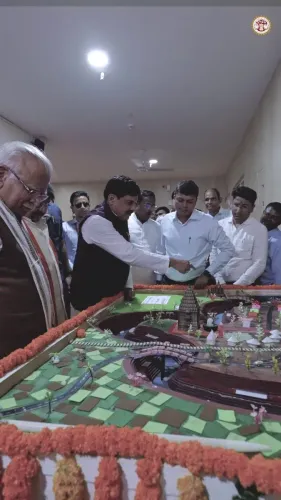
The Chief Minister reviewed the progress of ongoing development works at the meeting.
The Simhastha Kumbh Mela is held in Ujjain once every 12 years and draws millions of pilgrims.
The 2016 Simhastha saw large-scale infrastructure upgrades, setting a benchmark the 2028 edition aims to surpass.
With less than two years to one of the world's largest religious gatherings, Madhya Pradesh Chief Minister Dr. Mohan Yadav sat down with senior officials in Ujjain on Monday, October 19, 2026, to take stock of preparations for Simhastha-2028 — and the message was unambiguous: grand, divine, and impeccably organised.
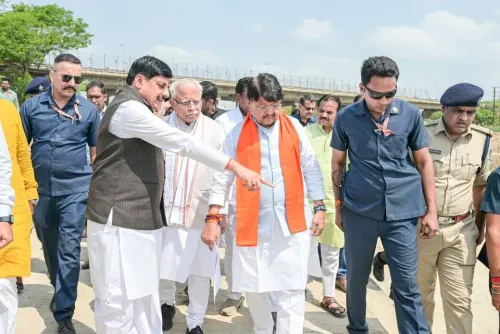
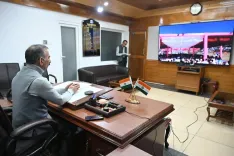
The Chief Minister's Office of Madhya Pradesh confirmed that Dr. Yadav chaired the review meeting at the Administrative Complex Building (Prashasanik Sankul Bhavan) in Ujjain, directing officials on pilgrim convenience, smooth movement of devotees, and superior on-ground arrangements. He also reviewed the progress of ongoing construction works and issued a firm directive: every project must be completed within its stipulated deadline.
What Simhastha-2028 means for Ujjain
The Simhastha Kumbh Mela descends on Ujjain once every 12 years, transforming the ancient city on the banks of the Shipra River into one of the most densely populated spiritual gathering points on earth. Millions of pilgrims converge to take a sacred dip during the auspicious planetary alignment — a tradition rooted in centuries of Hindu cosmology. The 2016 Simhastha set a precedent: the Madhya Pradesh government launched sweeping infrastructure upgrades and crowd-management systems ahead of that edition, and the 2028 edition is expected to raise that bar considerably.
The stakes are high for the state. Simhastha cycles have historically served as catalysts for accelerated urban development in Ujjain — new roads, improved ghats, expanded civic utilities — improvements that outlast the mela itself and benefit residents for years after the crowds have gone.
Pilgrims, movement, and the infrastructure race
Monday's review zeroed in on three pillars: devotee welfare, transport logistics, and construction timelines. Dr. Yadav issued aavashyak disha-nirdesh (necessary directives) to officials covering pilgrim facilities and access corridors — a signal that the administration intends to begin testing systems well before the event window opens. The instruction to complete all works on schedule is particularly pointed given the scale: any slippage at this stage compounds geometrically as the mela date approaches.
Indian states have long held senior-level coordination reviews for Kumbh-scale events to align departments — transport, public works, health, revenue — that must function as one organism when millions arrive simultaneously. The Ujjain administration, with its deep institutional memory of past Simhastathas, is the operational backbone of the exercise.
The vision: 'Grand, Divine, Well-Organised'
The Chief Minister's own framing — bhavya, divya aur suvyavasthit — 'grand, divine, and well-organised' — sets the public expectation. It is both an aspiration and a political commitment. With specific infrastructure milestones and budget allocations still to be detailed in the months ahead, the October review marks the state moving from planning on paper to accountability on the ground.
For the millions of pilgrims who will walk the ghats of Ujjain in 2028, the decisions made in meetings like Monday's will determine whether their once-in-a-decade journey is one of devotion or of exhaustion. The government has staked its promise — now the construction has to match it.
Point of View
Who took office in early 2024, Simhastha-2028 is both a logistics challenge and a political opportunity: delivering a flawless mega-event burnishes a CM's legacy far beyond the state's borders. The emphasis on 'grand, divine, and well-organised' also speaks to a broader BJP governance narrative that frames religious-cultural events as showcases of administrative competence. The real test will come when specific project milestones and budget figures enter the public domain — that is when the promise becomes measurable.
NationPress
19 Oct 2026
Frequently Asked Questions
What is Simhastha 2028?
Simhastha 2028 is the upcoming Kumbh Mela to be held in Ujjain, Madhya Pradesh, expected around 2028. The Simhastha Kumbh Mela occurs once every 12 years when a specific planetary alignment takes place, drawing millions of Hindu pilgrims to bathe in the holy Shipra River.
What did CM Mohan Yadav review in Ujjain on October 19?
Chief Minister Dr. Mohan Yadav reviewed preparations and development works for Simhastha-2028 at the Administrative Complex Building in Ujjain. He gave directives on pilgrim facilities, transport, and ordered that all construction be completed on time.
When was the last Simhastha Kumbh Mela held in Ujjain?
The last Simhastha Kumbh Mela in Ujjain was held in 2016. That edition saw significant infrastructure upgrades and crowd-management efforts by the Madhya Pradesh state government.
How often is the Simhastha Kumbh Mela held?
The Simhastha Kumbh Mela is held in Ujjain once every 12 years, coinciding with a specific auspicious alignment of celestial bodies according to Hindu tradition.
What infrastructure is being developed for Simhastha 2028 in Ujjain?
While specific projects are yet to be publicly detailed, CM Dr. Mohan Yadav's October 2026 review focused on pilgrim facilities, smooth transportation corridors, and ongoing construction works, all to be completed within their deadlines ahead of 2028.