CM Mohan Yadav to Revive MP State Bus Service
Synopsis
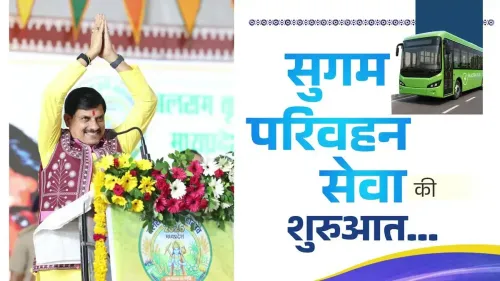
Madhya Pradesh CM Dr. Mohan Yadav has announced the phased revival of state-run bus services under 'Mukhyamantri Sugam Parivahan Seva', blaming the Congress government for shutting down MPSRTC and targeting a Rakshabandhan launch for women travellers across improved rural routes.
Key Takeaways
Madhya Pradesh CM Dr.
Mohan Yadav announced revival of state public bus services on June 2, 2026 .
The new scheme is named Mukhyamantri Sugam Parivahan Seva and will be launched in phases.
The Madhya Pradesh State Road Transport Corporation (MPSRTC) was wound down during the Congress government's tenure (2018–2020) .
The government is working toward having buses operational for women by Rakshabandhan as an early milestone.
The revival is framed as a response to improved rural roads, electricity, and water supply across the state.
Exact fleet numbers, route coverage, and operational timelines are yet to be officially announced.
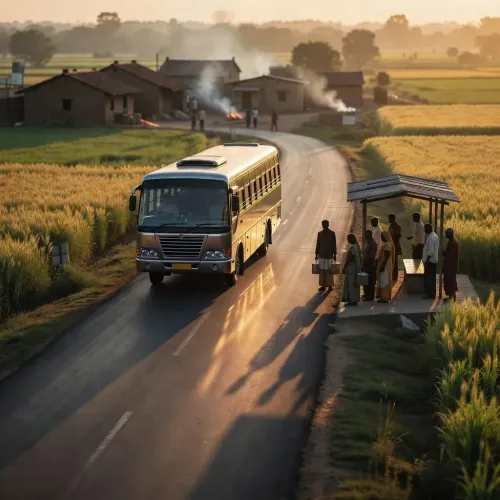
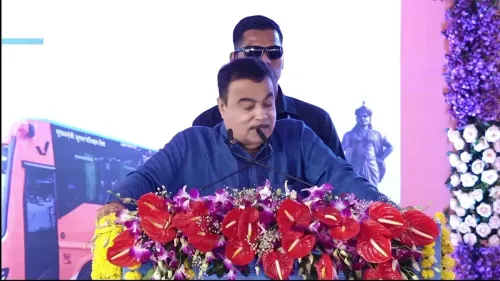
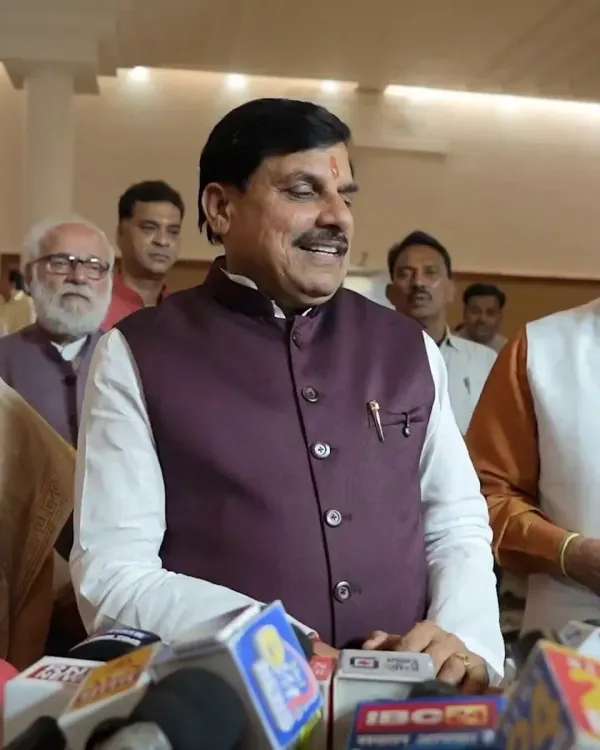
Madhya Pradesh Chief Minister Dr. Mohan Yadav announced on Tuesday, June 2, 2026, that his government is moving to revive state-run public bus services through a new scheme called 'Mukhyamantri Sugam Parivahan Seva', citing improved rural infrastructure as the key reason to restore last-mile connectivity across the state.
In a post on X, Dr. Yadav stated: 'Kांग्रेस sarkaar ke samay Madhya Pradesh Rajya Sadak Parivahan Nigam ko band karne ki prakriya shuru hui thi' — 'The process of shutting down the Madhya Pradesh State Road Transport Corporation began during the Congress government's tenure.' He added that with roads, electricity, and water facilities now significantly improved in villages, restarting bus services has become essential.
Context
The Madhya Pradesh State Road Transport Corporation (MPSRTC) began its wind-down under the Congress government that held power in the state from 2018 to 2020. The corporation, which once provided affordable public bus connectivity across the state, was gradually phased out as the administration cited financial unviability. The move left rural commuters — particularly women and daily wage workers — heavily dependent on private operators.
Dr. Yadav's announcement frames the revival not as a rollback of a policy decision, but as a response to changed ground realities. He argued that the expansion of rural roads, electrification, and water supply under successive central and state schemes has now created the conditions necessary to make public transport viable again.
Policy Backdrop
The Mukhyamantri Sugam Parivahan Seva is envisioned as a phased initiative, with the government working toward having buses operational for women travellers by Rakshabandhan — the annual festival that sees a significant surge in travel demand, particularly among women visiting family. Dr. Yadav posted: 'Is baar Rakshabandhan par hamari behnen parivahan vibhag ki busson mein safar karein, is disha mein hum prayasrat hain' — 'We are working toward ensuring our sisters travel in transport department buses this Rakshabandhan.'
Across India, several states have moved to revive or strengthen state transport corporations in recent years, particularly as rural road networks expanded under schemes such as the Pradhan Mantri Gram Sadak Yojana. BJP-governed states have increasingly positioned public bus services as the final link in a broader rural connectivity chain — complementing physical infrastructure with affordable, reliable mobility.
Stakeholders and Impact
Rural commuters and women travellers stand as the primary beneficiaries of the proposed revival. For villages now connected by paved roads but lacking affordable transport, a state-run bus service would reduce dependence on costly private alternatives. Women, in particular, have historically relied on state transport for safe, subsidised travel — a dimension the Rakshabandhan launch target appears designed to highlight.
The announcement also carries political weight. By attributing the corporation's closure to the Congress government and positioning the revival as a BJP initiative, Dr. Yadav draws a direct contrast ahead of any future electoral cycle in Madhya Pradesh. The scheme's phased rollout means implementation details — including fleet size and route coverage — are yet to be publicly specified.
What's Next
The government has indicated a phased launch for Mukhyamantri Sugam Parivahan Seva, with Rakshabandhan serving as an early operational milestone. Observers will watch for formal announcements on state budget allocations for fleet procurement, the number of routes to be covered in the first phase, and whether the revived corporation will operate as a fully state-owned entity or through a public-private partnership model.
The success of the Rakshabandhan rollout — if achieved — could set the political and operational template for a broader statewide expansion of the service, making the festival deadline a significant near-term test for the scheme's credibility.
Point of View
He sets up a clear before-and-after narrative that the BJP can deploy in future electoral cycles. The Rakshabandhan launch target is strategically chosen: it connects the scheme to women's welfare, a consistent BJP messaging priority, while creating a near-term, visible deadline that builds accountability. The phased rollout approach is prudent given the financial history of state transport corporations, but it also defers the harder questions of fleet size, route economics, and long-term viability. If the Rakshabandhan milestone is met, it will give the scheme momentum; if it slips, the political cost could be significant.
NationPress
16 Oct 2026
Frequently Asked Questions
What is Mukhyamantri Sugam Parivahan Seva?
Mukhyamantri Sugam Parivahan Seva is a new Madhya Pradesh government scheme to revive state-run public bus services in a phased manner, announced by Chief Minister Dr. Mohan Yadav on June 2, 2026.
Why was the Madhya Pradesh State Road Transport Corporation shut down?
The process of closing the Madhya Pradesh State Road Transport Corporation (MPSRTC) was initiated during the Congress government's tenure in the state between 2018 and 2020, citing financial reasons.
When will MP state buses start running under the new scheme?
The Madhya Pradesh government is working toward having buses operational by Rakshabandhan as an early milestone, though exact dates and fleet details have not yet been officially announced.
Who will benefit from the Mukhyamantri Sugam Parivahan Seva?
Rural commuters and women travellers are the primary intended beneficiaries, with the government specifically highlighting women's travel needs during Rakshabandhan as a key focus of the initial launch.
How does the MP bus revival connect to rural infrastructure development?
CM Dr. Mohan Yadav has argued that improved roads, electricity, and water supply in Madhya Pradesh villages now make it viable to relaunch state bus services, linking physical infrastructure upgrades to last-mile transport connectivity.