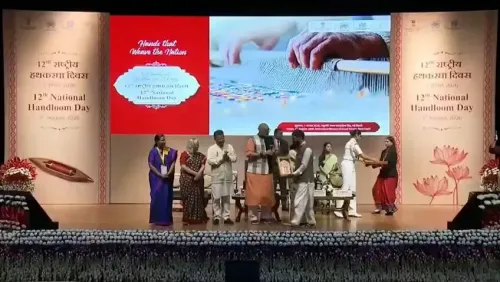
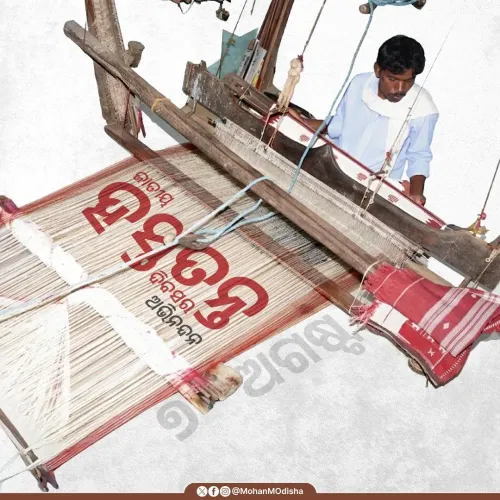
CM Mohan Yadav Hails MP's Handloom Heritage on National Handloom Day
Synopsis
On National Handloom Day 2026, Madhya Pradesh CM Dr. Mohan Yadav celebrated the state's Maheshwari and Chanderi handloom traditions, calling them symbols of cultural heritage, skill, and self-reliance. Chanderi holds a GI tag; the day marks the 1905 Swadeshi Movement launch.
Key Takeaways
National Handloom Day is observed on 7 August annually, marking the 1905 Swadeshi Movement launch; the observance was instituted by the Ministry of Textiles in 2015 .
Mohan Yadav extended greetings and highlighted Maheshwari and Chanderi handloom traditions as symbols of cultural heritage and self-reliance.
Chanderi sarees hold a Geographical Indication (GI) tag , giving them legal protection of origin alongside products like Darjeeling tea.
Maheshwari sarees from the Narmada-bank town of Maheshwar are associated with the eighteenth-century reign of Queen Ahilyabai Holkar.
Madhya Pradesh's handloom products have been central to state and central efforts to secure market access for traditional weavers.
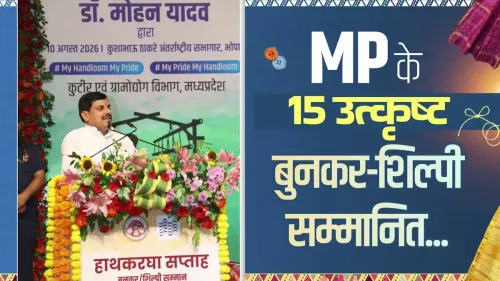
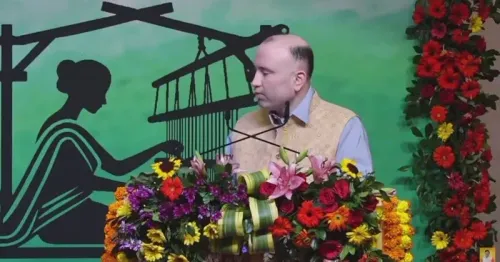
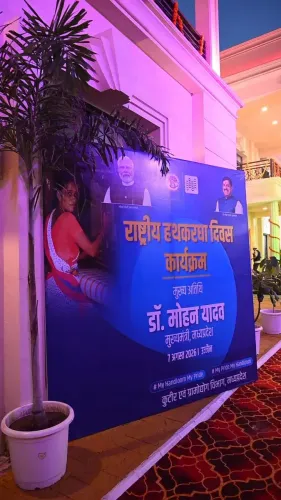
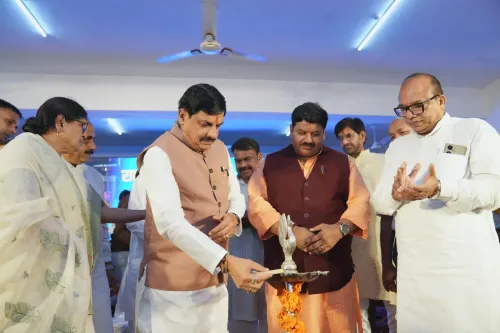
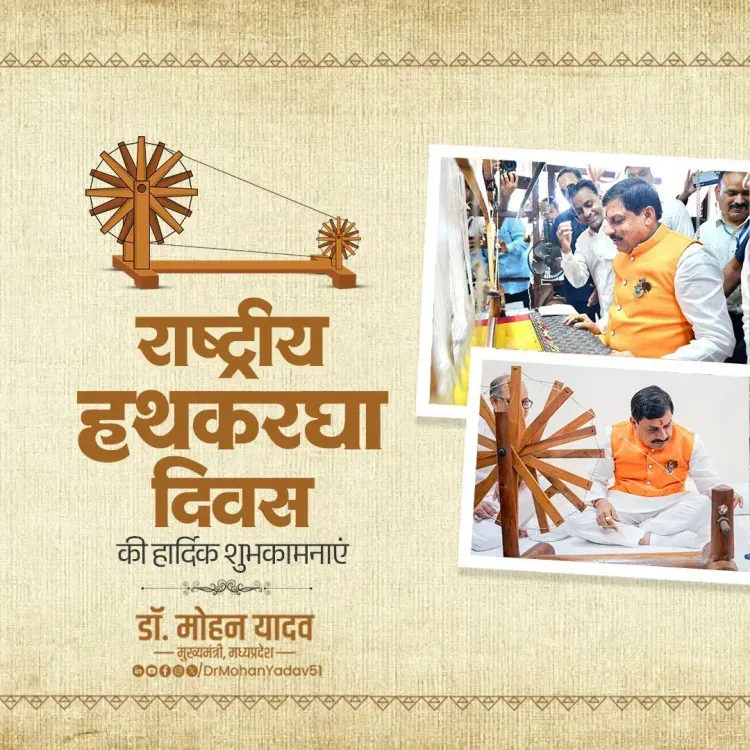
Threads woven centuries ago in the towns of Maheshwar and Chanderi still carry the weight of a civilisation — and on National Handloom Day, 7 August 2026, Madhya Pradesh Chief Minister Dr. Mohan Yadav made sure the world remembered it. In a post on X, the Chief Minister extended warm greetings and spotlighted the state's iconic handloom traditions as living symbols of cultural richness and self-reliance.
Translating his message: 'Rashtriya Hathkargha Divas ki hardik badhai evam shubhkamnayein' — 'Heartfelt congratulations and best wishes on National Handloom Day' — Dr. Yadav wrote that Madhya Pradesh's Maheshwari, Chanderi, and other traditional handloom arts have carved a 'distinct identity across the country and the world,' calling them 'a powerful symbol of our rich cultural heritage, skill, and self-reliance.'
Maheshwar and Chanderi: Two Towns, One Global Reputation
The two towns the Chief Minister named are not interchangeable references — each carries a specific legacy. Maheshwar, perched on the banks of the Narmada river, is celebrated for its Maheshwari sarees — distinguished by their reversible border, fine texture, and muted, elegant colour palette, a craft tradition believed to date back to the reign of Queen Ahilyabai Holkar in the eighteenth century. Chanderi, roughly 240 kilometres from Bhopal, produces the gossamer-light Chanderi saree, which holds a Geographical Indication (GI) tag — a legal recognition that protects its origin and authenticity, placing it alongside products like Darjeeling tea and Kanchipuram silk in India's heritage-craft canon. Both fabrics have found buyers far beyond Madhya Pradesh, appearing on international runways and in export markets.Why August 7 Belongs to the Loom
National Handloom Day is observed every year on 7 August — a date chosen to honour the Swadeshi Movement, which was formally launched on this day in 1905 in Calcutta, when the boycott of British goods turned the handspun cloth into an act of resistance. The Ministry of Textiles instituted the annual observance in 2015, framing it as both a tribute to weavers and a platform to push handloom products into mainstream markets. State leaders across India routinely mark the day with tributes to regional textile traditions, but Madhya Pradesh's pitch carries particular weight: the state's handlooms have long been at the centre of central and state-level efforts to secure GI protection and open new market channels for weavers whose craft is their livelihood. The loom never stopped. The question is whether the market keeps up.Point of View
Lending the message a policy resonance beyond ceremonial goodwill. With GI-tagged products increasingly used as diplomatic and trade assets, such public affirmations by state leaders also serve as quiet advocacy for weavers seeking better market access.
NationPress
21 Sept 2026
Frequently Asked Questions
Why is National Handloom Day celebrated on 7 August?
National Handloom Day is celebrated on 7 August to commemorate the launch of the Swadeshi Movement on that date in 1905 in Calcutta, when Indians pledged to boycott British goods and support indigenous industries including handloom weaving. The Ministry of Textiles instituted the annual observance in 2015.
What is Chanderi saree and why is it famous?
The Chanderi saree is a lightweight, fine-textured handloom fabric produced in Chanderi town in Madhya Pradesh. It holds a Geographical Indication (GI) tag , which legally protects its origin and distinguishes it from imitations. It is prized for its sheer texture, traditional motifs, and silk-cotton blend.
What is special about Maheshwari sarees from Madhya Pradesh?
Maheshwari sarees are woven in Maheshwar , a town on the Narmada river in Madhya Pradesh. They are known for their reversible border, fine weave, and muted colour palette, with a tradition believed to date to the reign of Queen Ahilyabai Holkar in the eighteenth century.
What did MP CM Mohan Yadav say on National Handloom Day 2026?
CM Dr. Mohan Yadav extended greetings on National Handloom Day 2026 and said that Madhya Pradesh's Maheshwari, Chanderi, and other traditional handloom arts have carved a distinct identity across the country and the world, calling them a 'powerful symbol of our rich cultural heritage, skill, and self-reliance.'
Does Madhya Pradesh have a GI tag for its handloom products?
Yes. Chanderi sarees from Madhya Pradesh hold a Geographical Indication (GI) tag , providing legal recognition of their geographic origin and protecting the craft from imitation. Madhya Pradesh's handlooms have also been part of broader state and central government efforts to secure market access for traditional weavers.