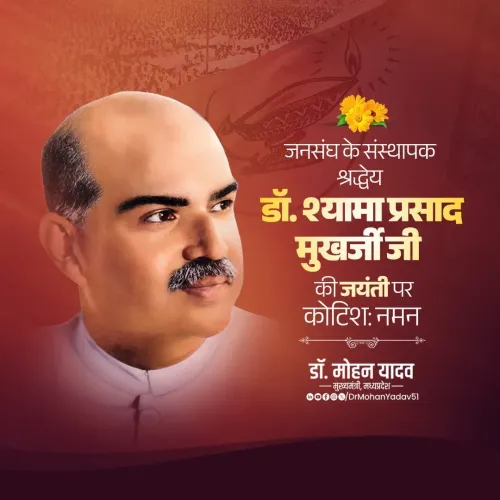
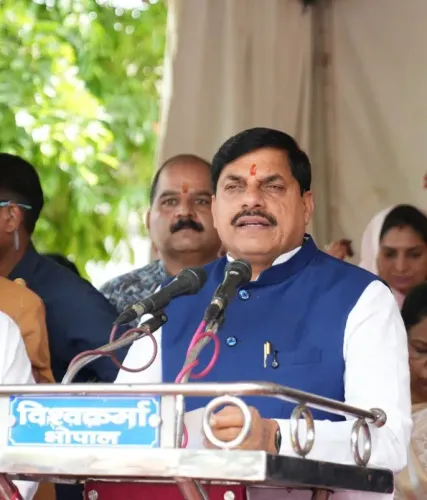
CM Mohan Yadav Pays Tribute to Dr. Syama Prasad Mookerjee on 125th Birth Anniversary
Synopsis
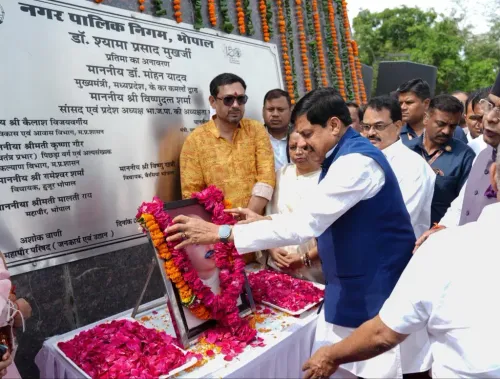
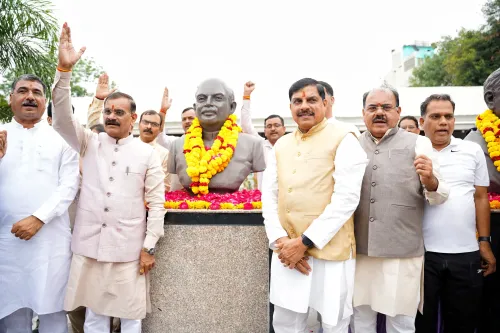
Madhya Pradesh Chief Minister Dr. Mohan Yadav paid floral tributes at Dr. Syama Prasad Mookerjee's statue in Bhopal on his 125th birth anniversary on July 6, 2026, invoking the Jana Sangh founder's 'one nation' slogan and citing the state's stated direction toward implementing a Uniform Civil Code.
Key Takeaways
Mohan Yadav paid tribute at Dr.
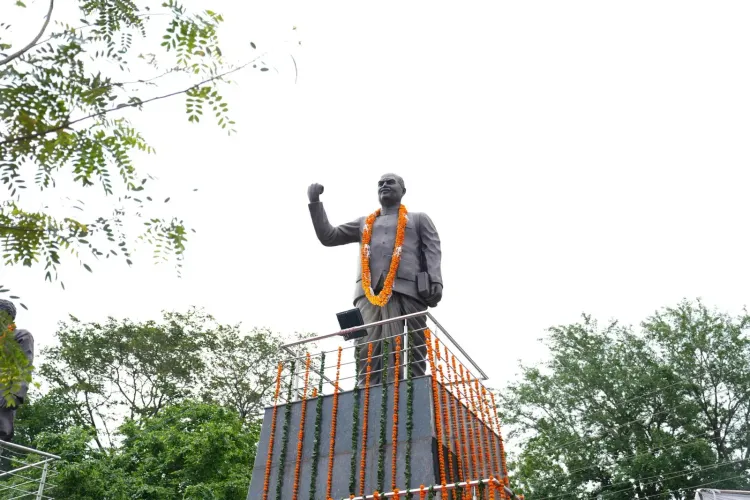
Syama Prasad Mookerjee's statue at Lalghati, Bhopal on July 6, 2026 .
The event marked Mookerjee's 125th birth anniversary ; he was born on July 6, 1901 .
CM Yadav invoked Mookerjee's slogan: 'Ek desh mein ek nishan, ek vidhan, ek pradhan' — one flag, one constitution, one head of state.
Yadav linked the occasion to Madhya Pradesh's stated movement toward a Uniform Civil Code .
Uttarakhand became the first Indian state to enact a UCC law in February 2024 , providing a legislative model.
Mookerjee founded the Bharatiya Jana Sangh in 1951 , the ideological predecessor of the BJP .
Madhya Pradesh Chief Minister Dr. Mohan Yadav on Monday, July 6, 2026, paid floral tributes at the statue of Bharatiya Jana Sangh founder Dr. Syama Prasad Mookerjee at Lalghati, Bhopal, marking the leader's 125th birth anniversary. The Chief Minister also planted a sapling at the site as part of the commemoration.
Context
Posting on X, Dr. Yadav quoted Mookerjee's defining slogan — 'Ek desh mein ek nishan, ek vidhan, ek pradhan' ('One flag, one constitution, one head of state in one nation') — calling it an 'inspiring mantra for the unity and integrity of the nation even today.' He also linked the occasion to Madhya Pradesh's stated direction toward implementing a Uniform Civil Code (UCC), describing it as a matter of pride for the state.
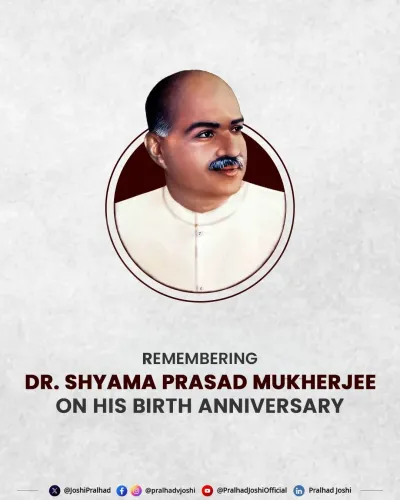
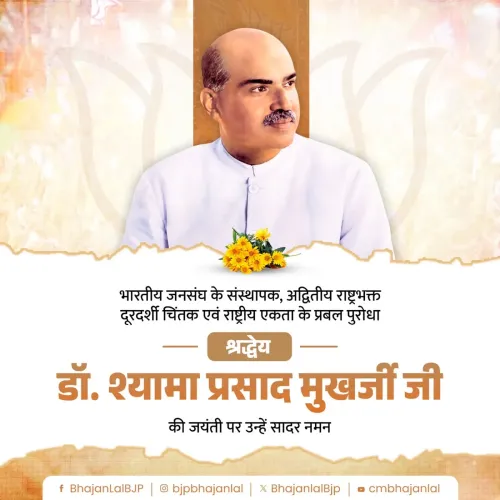
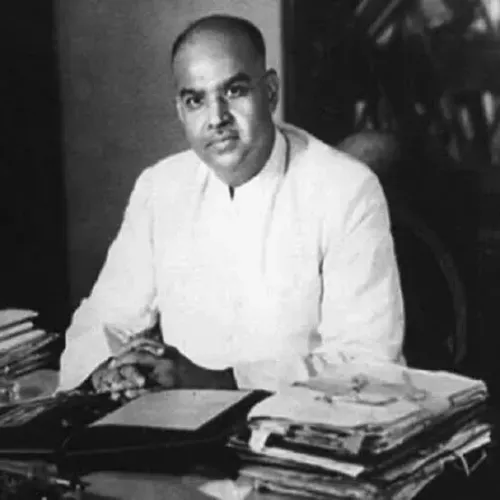
Dr. Syama Prasad Mookerjee was born on July 6, 1901. He founded the Bharatiya Jana Sangh in 1951, a party that later evolved into the Bharatiya Janata Party (BJP). He is widely remembered within the BJP's ideological tradition for his opposition to the special status provisions for Jammu and Kashmir and his advocacy for national integration.
Policy Backdrop
The Uniform Civil Code — a directive principle under Article 44 of the Indian Constitution — seeks a common civil law for all citizens regardless of religion, covering areas such as marriage, inheritance, and adoption. Uttarakhand became the first Indian state to enact a UCC law in February 2024, setting a legislative precedent in BJP-governed states.
The BJP has included UCC implementation in its national election manifestos across multiple election cycles. Dr. Yadav's reference to Madhya Pradesh 'moving forward' in this direction places the state within that broader policy conversation, though no specific bill or timeline has been formally announced as part of this tribute event.
Stakeholders and Impact
The commemoration draws a direct line between Mookerjee's historical 'one nation' rhetoric and contemporary legislative priorities, a pattern seen periodically across BJP-governed states. Citizens of Madhya Pradesh — particularly those engaged with legal reform debates — are the primary stakeholders in any eventual UCC legislation at the state level.
Legal reform advocates and community organisations across religious communities have long debated the implications of a uniform civil code, with supporters arguing it advances equality and critics raising concerns about cultural and religious autonomy. Any formal bill introduced in the Madhya Pradesh assembly would reignite that debate at the state level.
What's Next
Observers will watch for any formal introduction of a UCC bill in the Madhya Pradesh legislative assembly during forthcoming sessions. Parallel developments in other BJP-ruled states invoking the same historical slogan alongside UCC policy moves will also be closely tracked as the national conversation on uniform civil laws continues.
Point of View
One law' slogan, the Chief Minister signals that UCC is not a new demand but a decades-old commitment now approaching fulfilment. This pattern, visible across BJP-governed states, serves a dual purpose: honouring party heritage while building political momentum for contentious legislative action. With Uttarakhand having already enacted a UCC, Madhya Pradesh's signalling raises the question of whether the state will move from rhetoric to legislation in the near term.
NationPress
5 Oct 2026
Frequently Asked Questions
Who was Dr. Syama Prasad Mookerjee?
Dr. Syama Prasad Mookerjee was an Indian politician who founded the Bharatiya Jana Sangh in 1951, the party that later evolved into the BJP. He is remembered for championing national integration and opposing special provisions for Jammu and Kashmir.
Why is July 6 significant for Dr. Syama Prasad Mookerjee?
July 6 marks the birth anniversary of Dr. Syama Prasad Mookerjee, who was born on July 6, 1901. In 2026, the occasion marks his 125th birth anniversary.
What is the Uniform Civil Code and why is Madhya Pradesh referencing it?
The Uniform Civil Code is a proposed common civil law for all Indian citizens regardless of religion, covering matters like marriage, divorce, and inheritance. Madhya Pradesh CM Mohan Yadav referenced the state's stated direction toward UCC implementation during the Mookerjee birth anniversary tribute.
Which Indian state first implemented the Uniform Civil Code?
Uttarakhand became the first Indian state to enact a Uniform Civil Code law in February 2024, providing a legislative precedent for other BJP-governed states.
What does Mookerjee's slogan 'Ek desh mein ek nishan, ek vidhan, ek pradhan' mean?
The slogan translates to 'One flag, one constitution, one head of state in one nation.' It was Dr. Syama Prasad Mookerjee's call for complete national integration, particularly in the context of opposing special status provisions for Jammu and Kashmir.