India allows 1 million tonne sugar import at nil duty to cool 16-year price high
Synopsis
With spot sugar prices hitting a 16-year high of ₹5,530 per quintal and retail rates up 13% year-on-year, the Centre has scrapped a 100% import duty and opened a 1-million-tonne raw sugar window — while simultaneously capping bulk buyer stock at 15 days. The double-barrel move is India's most aggressive sugar market intervention in years, timed to land before the Ganesh Chaturthi–Diwali demand surge.
Key Takeaways
The Centre on 20 August 2026 permitted import of 1 million tonnes of raw sugar at nil customs duty , reversing a 100% duty regime.
Import window runs until 31 October 2026 .
Spot sugar prices hit a 16-year high of ₹5,530 per quintal ; retail prices rose 13% year-on-year to ₹52.30 per kg .
Food Minister Pralhad Joshi capped stock holdings for bulk consumers (over 10 tonnes/month ) at 15 days of consumption from 1 September .
The Sugar (Stockholding Limit of Bulk Consumers) Order, 2026 covers confectioners, soft drink makers, food processors, and sweetmeat sellers through 30 November 2026 .
India's net sugar output in 2025-26 is approximately 27.9 million tonnes ; mills remain profitable even with a ₹500/quintal price correction, officials say.
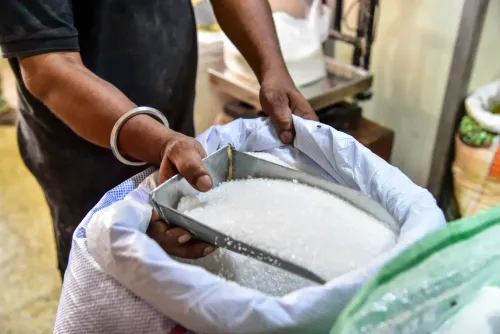
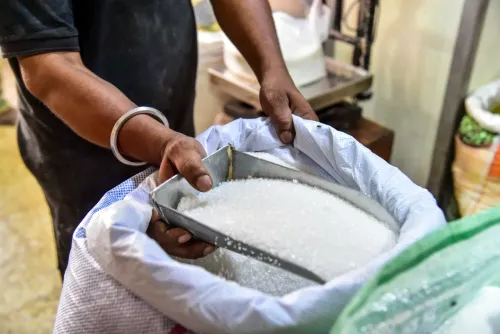
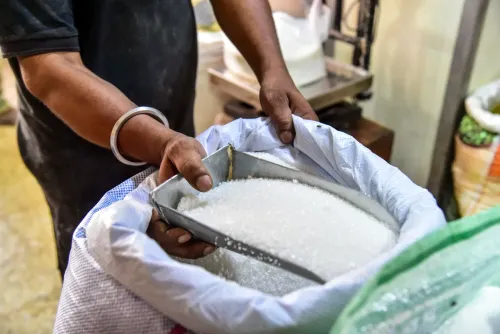
The Centre on Thursday, 20 August 2026 permitted the import of 1 million tonnes of raw sugar at nil customs duty to arrest a sharp surge in domestic prices that has pushed spot rates to a 16-year high and added to broader inflationary pressure in the economy. The window will remain open until 31 October 2026, according to an official notification.
How Bad the Price Surge Is
Spot sugar prices in major Indian markets touched ₹5,530 per quintal — a 16-year high — according to data compiled by the National Commodity and Derivatives Exchange (NCDEX). At the retail level, prices climbed roughly 13 per cent year-on-year to ₹52.30 per kg as on 18 August, up from ₹46.34 a kg a year earlier, according to data gathered by the Consumer Affairs Ministry.
The duty waiver is a significant policy reversal: raw sugar imports had previously attracted a customs duty of 100 per cent, effectively shutting out overseas supply.
Why Prices Are Rising and Why the Timing Matters
Demand for sugar typically strengthens between August and November as India enters the festival calendar — Ganesh Chaturthi, Dussehra, and Diwali all fall within this window, driving up consumption by confectioners, sweet-makers, and food processors. The import window is specifically designed to bridge this seasonal demand spike before the new crushing season brings fresh domestic supply.
India's net sugar production in the 2025-26 season (which started 1 October 2025) stands at approximately 27.9 million tonnes after accounting for 2.4 million tonnes diverted to ethanol. Opening stocks for the season were close to 4.7 million tonnes.
Crackdown on Hoarding and Black Marketing
Alongside the import decision, the government moved to curb hoarding. Food Minister Pralhad Joshi announced via a social media post that bulk consumers using more than 10 tonnes of sugar per month will be barred from holding stock beyond a 15-day consumption limit.
The Food Ministry has formally notified the Sugar (Stockholding Limit of Bulk Consumers) Order, 2026, covering confectioners, soft drink manufacturers, food processing units, sweetmeat sellers, and other institutional buyers. The order comes into force on 1 September and remains in effect until 30 November 2026.
Authorities also directed all sugar mills to submit mill-wise and buyer-wise details of sugar sold between 17 and 19 August, signalling intensified supply-chain scrutiny.
Mills Remain Profitable Even at Lower Prices
Senior government officials have indicated that a price correction of up to ₹500 per quintal would still leave Indian mills comfortably profitable, as average production costs are estimated at ₹4,200–₹4,300 per quintal. This headroom gives the Centre confidence that the import-and-cap combination can bring relief to consumers without destabilising the sugar industry.
What Comes Next
The effectiveness of the measures will depend on how quickly imported raw sugar reaches refiners and enters the retail chain ahead of the peak festival season. Analysts will watch whether the nil-duty window is extended beyond 31 October if domestic prices remain elevated. The stockholding order's enforcement — and whether mills comply with the disclosure directive — will be equally critical to watch through the end of November.
Point of View
Raising questions about the adequacy of the Centre's sugar buffer planning. The 15-day stock cap on bulk buyers is sensible, but enforcement is the harder part: past stockholding orders have had mixed compliance records. If imported raw sugar does not reach retail quickly enough, the nil-duty window may ease wholesale prices without meaningfully moving the ₹52-a-kg retail number that ordinary consumers actually face.
NationPress
5 Oct 2026
Frequently Asked Questions
Why has the government allowed sugar imports at nil duty?
The Centre permitted import of 1 million tonnes of raw sugar at nil duty on 20 August 2026 to cool domestic prices that hit a 16-year high of ₹5,530 per quintal. Retail sugar prices had risen 13% year-on-year to ₹52.30 per kg, adding to inflationary pressure ahead of the festival season.
How long will the nil-duty sugar import window remain open?
The nil-duty import window is valid until 31 October 2026, according to the official notification. The government may review the timeline depending on how domestic prices respond.
What is the Sugar Stockholding Limit Order 2026?
It is a government order that restricts bulk sugar consumers — including confectioners, soft drink manufacturers, food processors, and sweetmeat sellers — from holding stock beyond 15 days of their monthly consumption if they use more than 10 tonnes per month. The order takes effect on 1 September and runs through 30 November 2026.
How much sugar does India produce, and why are prices still high?
India's net sugar production in the 2025-26 season is approximately 27.9 million tonnes after ethanol diversion, with opening stocks of around 4.7 million tonnes. Despite this, seasonal festival demand between August and November has pushed spot prices to multi-year highs, prompting the import intervention.
Will lower sugar prices hurt domestic mills?
Senior officials say no — a price drop of up to ₹500 per quintal would still leave mills profitable, as production costs are estimated at ₹4,200–₹4,300 per quintal. The government believes there is sufficient headroom to protect consumers without damaging the sugar industry.