India sugar stocks adequate for domestic demand, govt rules out shortage
Synopsis
India's government says there is no sugar shortage — but retail prices have still jumped 15.6% in a single month. The real story is a collision of crop disease, festive demand, global supply tightness, and alleged hoarding, all hitting simultaneously just before the October crushing season begins.
Key Takeaways
The government confirmed on 26 August 2026 that India has adequate sugar stocks to meet domestic demand until the new crushing season in October 2026 .
Retail sugar prices rose from ₹48.18 per kg to ₹55.70 per kg between 20 July and 20 August 2026 — a 15.6 per cent jump in one month.
Sugar production this season is estimated at 306 LMT , down from an initial estimate of 343 LMT , due to crop disease and waterlogging.
The share of sugar diverted for ethanol fell from 12 per cent in 2022–23 to 9 per cent in 2025–26; three-fourths of ethanol now comes from grains, mainly maize.
The global sugar deficit for 2026–27 is estimated at 33 lakh MT ; international prices rose over 16 per cent in under two months.
As of 20 August 2026 , 97 per cent of sugarcane dues for 2025–26 have been paid to farmers.
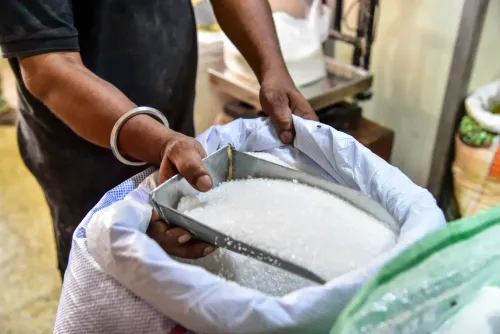
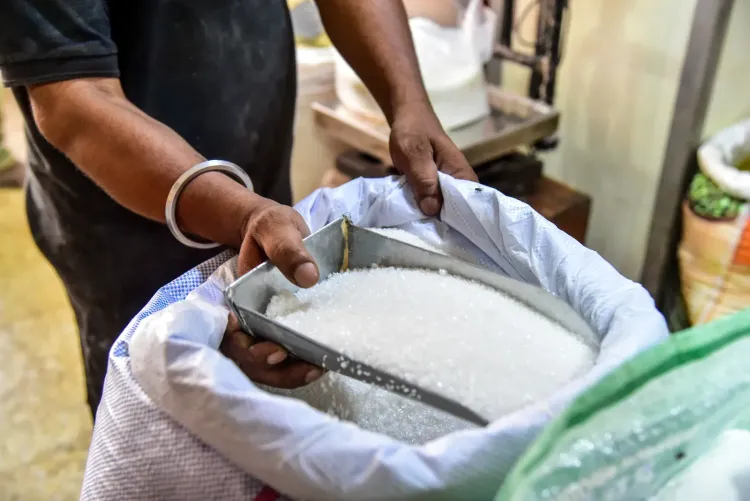
The Indian government on Wednesday, 26 August 2026, categorically stated that India is not facing a sugar shortage, affirming that adequate stocks exist to meet domestic demand until the new crushing season commences in October 2026. The clarification came amid rising retail prices and public concern over supplies ahead of the festive season.
Key Developments on Sugar Supply
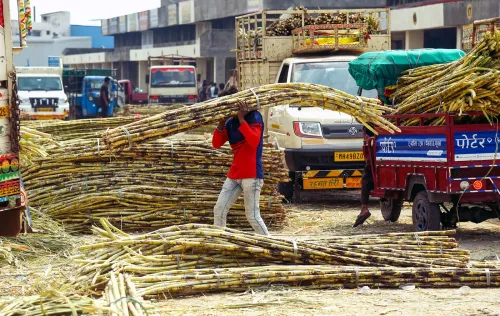
Officials confirmed that sugar production during the current season is estimated at around 306 lakh metric tonnes (LMT), down from an initial projection of 343 LMT. The shortfall has been attributed to two crop-related setbacks: Red Rot and Top Borer disease, and waterlogging caused by excess rainfall. Despite the production gap, the government maintained that stocks are sufficient to bridge the gap until the next harvest cycle begins.
India's average annual sugar output stands between 300–340 lakh MT, against domestic consumption of 280–290 lakh MT per year — a structural buffer that officials say remains intact.
Why Prices Have Risen Despite Adequate Stocks
Retail sugar prices climbed from ₹48.18 per kg on 20 July 2026 to ₹55.70 per kg on 20 August 2026 — a jump of approximately 15.6 per cent within a single month. The government's factsheet attributed this spike to a combination of factors: lower-than-expected domestic production, heightened festive-season demand, crop damage from weather events, and — notably — speculation and hoarding by sections of the industry.
Over a longer horizon, however, retail sugar prices have remained broadly stable, rising by only around 3 per cent annually between August 2024 and July 2026, according to official data.
Global Sugar Deficit Adds Pressure
The price uptick is not purely a domestic story. The global sugar deficit for 2026–27 is estimated at around 33 lakh MT, and international prices have surged from $474 per tonne on 30 June 2026 to $552 per tonne on 20 August 2026 — a rise of over 16 per cent in under two months. Officials argued that India's price movement is consistent with this global trend rather than a domestically driven supply failure.
Ethanol Diversion Not the Culprit, Govt Says
The government also pushed back against claims that diverting sugar for ethanol production is responsible for the price rise. It stated that the share of sugar diverted for ethanol has declined from around 12 per cent in 2022–23 to around 9 per cent in 2025–26. Furthermore, nearly three-fourths of ethanol produced domestically now comes from grains, particularly maize, reducing pressure on sugar cane-based supply.
Officials added that the ethanol programme has improved the financial health of sugar mills and benefited sugarcane farmers. As of 20 August 2026, 97 per cent of sugarcane dues for the 2025–26 season have already been paid to farmers — a figure cited as evidence of stronger mill liquidity. The area under sugarcane cultivation has also grown from 49.27 lakh hectares in 2015–16 to 58.87 lakh hectares in 2025–26.
What Happens Next
The new crushing season is set to begin in October 2026, which is expected to ease near-term supply tightness. Whether the festive-season demand surge and global price pressure will persist until then remains the key variable for consumers and industry alike.
Point of View
Festive demand pull, and a genuine global supply crunch — and that the ethanol programme, while structurally sound, leaves less headroom to absorb domestic shocks than it once did. The October crushing season will provide relief, but the government's credibility on price management will hinge on whether it acts on hoarding claims or lets them remain a footnote.
NationPress
10 Oct 2026
Frequently Asked Questions
Is India facing a sugar shortage in 2026?
No, according to the government. Officials stated on 26 August 2026 that adequate sugar stocks are available to meet domestic demand until the new crushing season begins in October 2026, despite lower-than-expected production of 306 LMT against an initial estimate of 343 LMT.
Why have sugar prices risen sharply in August 2026?
Retail sugar prices rose approximately 15.6 per cent in one month — from ₹48.18 per kg on 20 July to ₹55.70 per kg on 20 August 2026. The government attributed the spike to lower domestic production due to crop disease and waterlogging, increased festive-season demand, rising global prices, and alleged speculation and hoarding by sections of the industry.
Is ethanol production responsible for the sugar price rise?
The government says no. The share of sugar diverted for ethanol has declined from around 12 per cent in 2022–23 to around 9 per cent in 2025–26. Additionally, nearly three-fourths of India's ethanol now comes from grains, particularly maize, reducing dependence on sugar cane.
What is the global sugar supply situation in 2026?
The global sugar deficit for 2026–27 is estimated at around 33 lakh MT. International sugar prices rose from $474 per tonne on 30 June 2026 to $552 per tonne on 20 August 2026 — an increase of over 16 per cent in under two months — adding external pressure on domestic prices.
When will sugar supply tightness ease in India?
The new sugarcane crushing season is expected to begin in October 2026, which should replenish stocks and ease near-term price pressure. Officials have said existing stocks are sufficient to bridge the gap until then.