White House Touts 'No Tax on Tips' Win for American Workers
Synopsis
The White House on October 4, 2026 shared a video of American tipped workers praising President Trump's 'No Tax on Tips' policy, framing it as a fulfilled campaign promise that is directly boosting take-home pay for servers, bartenders, and other gratuity-dependent workers.
Key Takeaways
The White House posted a worker-testimonial video on October 4, 2026 celebrating the 'No Tax on Tips' policy.
President Trump had made the tip-income tax exemption a signature campaign promise.
The policy exempts tip income from federal income tax, directly benefiting servers, bartenders, hotel workers, and others reliant on gratuities.
The administration's social media push centres real worker voices rather than legislative language, signalling a deliberate communications strategy.
Tipped workers often depend on gratuities for the majority of their earnings, making the exemption a material financial change.
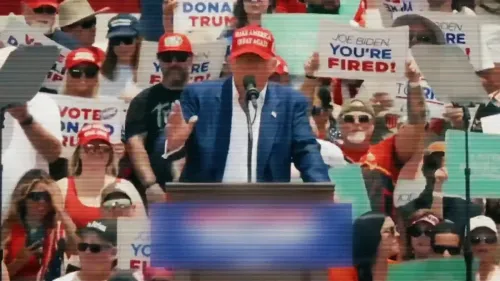
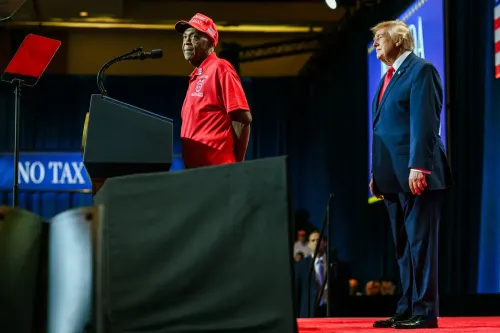
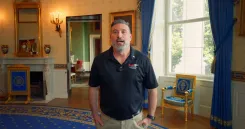
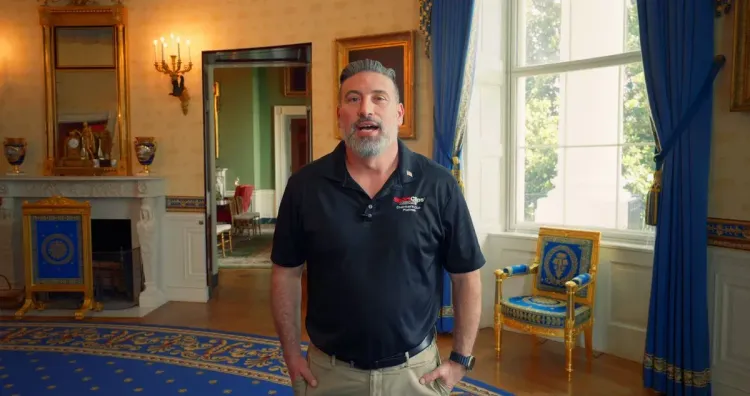
A promise made on the campaign trail is now, according to the White House, a promise kept — and American tipped workers are front and centre of the victory lap. The White House posted on X on Sunday, October 4, 2026, sharing a video of workers across the United States crediting President Donald Trump's 'No Tax on Tips' policy with tangibly improving their take-home pay.
The post declared: 'Hardworking Americans across the country are thanking President Trump for delivering on his promise: NO TAX ON TIPS!' — a rallying cry the administration has leaned into heavily as it looks to showcase real-world gains from its domestic economic agenda.
What the 'No Tax on Tips' policy means for tipped workers
The policy, which exempts tip income from federal income tax, targets one of the most economically precarious segments of the American workforce — restaurant servers, hotel staff, bartenders, salon workers, and others who depend on gratuities as a core part of their earnings. For these workers, tips can constitute the majority of take-home income, making even a modest tax exemption a meaningful shift in their annual finances.
The promise was a signature campaign pledge, and its legislative fulfilment gave the White House a concrete, individual-level story to tell — the kind that translates well into video testimonials of the sort shared in Sunday's post.
Why Washington is amplifying worker voices right now
The timing of the White House's social media push is deliberate. Sharing direct testimonials from workers — rather than leading with policy language or Congressional vote tallies — is a communications strategy designed to make an abstract tax change feel personal and immediate. It places real faces on a legislative win and pre-empts criticism that the administration's economic record is abstract or unevenly distributed.
For millions of tipped workers, the exemption represents a structural shift: income that was previously subject to federal withholding now stays in their pockets. Whether the broader economic environment amplifies or limits that gain remains a live question — but the White House is clearly betting the human stories speak loudest.
A tax cut you can measure in your next paycheck is a powerful political argument. The administration just made sure the country heard it in the workers' own words.
Point of View
The White House is executing a classic populist framing: the government giving something tangible back to the 'little guy.' Whether the policy's fiscal cost draws sustained scrutiny, or whether wage-stagnation and cost-of-living pressures blunt its practical impact, will shape whether this political asset holds its shine. For now, it hands the administration a clean, repeatable narrative heading into any economic debate.
NationPress
5 Oct 2026
Frequently Asked Questions
What is the 'No Tax on Tips' policy in the United States?
The 'No Tax on Tips' policy exempts tip income earned by workers from federal income tax, meaning gratuities received by restaurant servers, bartenders, hotel staff, and other tipped employees are no longer subject to federal withholding.
Did Trump actually pass the no-tax-on-tips law?
According to the White House's October 2026 communications, the policy has been delivered as a fulfilled legislative promise, with the administration sharing worker testimonials confirming they are already experiencing the benefit in their take-home pay.
Who benefits from the no tax on tips rule?
Tipped workers across the United States — including restaurant servers, bartenders, hotel concierge and housekeeping staff, salon workers, and others who receive gratuities as part of their regular income — stand to benefit most directly.
How much money can tipped workers save under the no tax on tips policy?
The exact saving depends on how much tip income an individual earns and their overall tax bracket, but for workers where tips constitute the majority of earnings, the exemption can represent a significant increase in annual take-home pay.
Why is the White House sharing videos about the no tax on tips policy?
The White House is using worker testimonials as a communications tool to highlight a fulfilled campaign promise, making the policy's impact feel personal and concrete rather than abstract — a standard strategy for building political momentum around legislative wins.