White House Touts Largest Steel Plant in US History
Synopsis
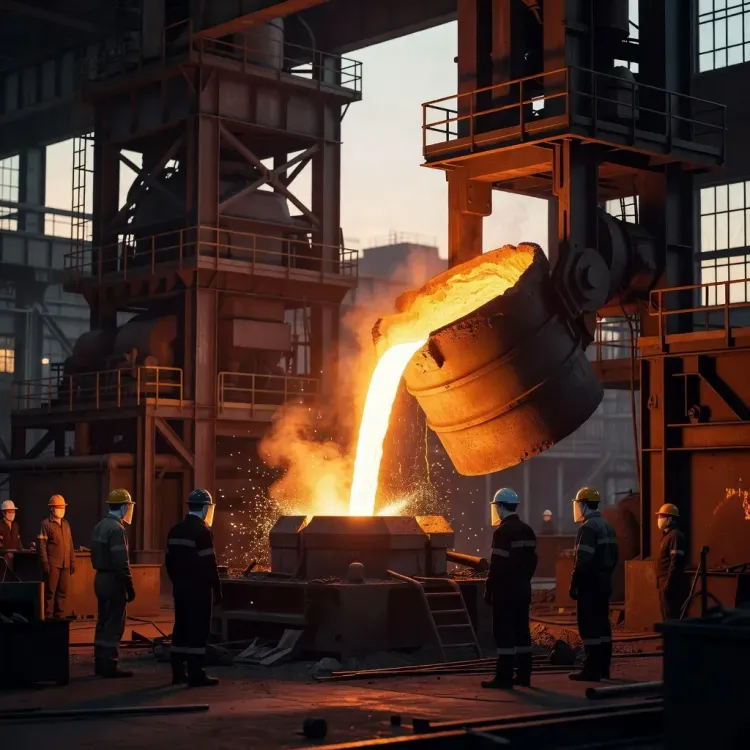
The White House announced on October 5, 2026, what it described as the largest steel plant in American history, signalling a major domestic manufacturing milestone without yet disclosing the plant's location, operator, or investment scale.
Key Takeaways
The White House posted on October 5, 2026 , claiming the construction or launch of 'the LARGEST steel plant in American history.' No location, company name, investment figure, or job-creation number was disclosed in the announcement.
The claim, if verified, would mark a defining moment in the decades-long effort to revive US heavy manufacturing.
The announcement connects to a broader US policy push around domestic supply-chain resilience and industrial sovereignty.
Details — including who built the plant and where — are expected to follow in a fuller release or accompanying media coverage.
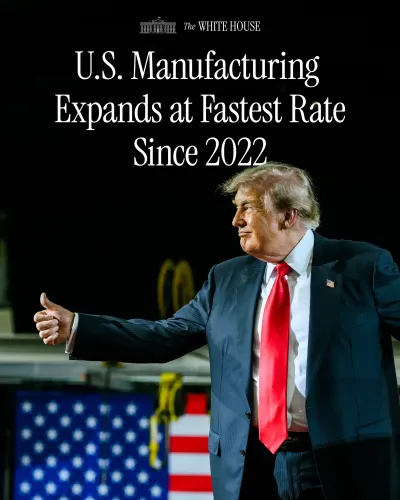
A single line. A newspaper emoji. An American flag. And a claim that — if it holds — rewrites the industrial map of the United States. The White House posted on X on Monday, October 5, 2026, flagging what it called 'the LARGEST steel plant in American history,' signalling a landmark moment for American manufacturing ambition.
Why a Steel Plant Announcement Carries This Much Weight
Steel is not just metal — it is a proxy for political will. Every major American infrastructure push, from the interstate highway system to post-war reconstruction, has been measured in steel tonnage. A plant large enough to earn the superlative 'largest in American history' would represent not just an industrial investment but a statement: that heavy manufacturing is returning to American soil at scale.
The announcement lands at a moment when domestic steel production has been a flashpoint in US trade and industrial policy. Decades of plant closures across the Rust Belt hollowed out communities and became a defining grievance in American electoral politics. Any credible reversal of that trend commands immediate attention — from workers, from investors, and from rival economies watching Washington's industrial posture.
Steel, Sovereignty, and the Supply-Chain Argument
The strategic case for domestic steel capacity has sharpened considerably in recent years. Supply-chain disruptions exposed the vulnerability of relying on imported materials for critical infrastructure. Defence procurement, bridge construction, energy pipelines, and shipbuilding all depend on a reliable domestic steel base. A record-scale plant, if operational, would reduce that exposure in ways no tariff regime fully can.
For India, which runs one of the world's largest and fastest-growing steel industries, a resurgent American steel sector carries commercial implications — particularly around export markets and the competitive positioning of Indian steelmakers on the global stage.
What the White House Post Does Not Say — Yet
The post is deliberately spare: no location, no company name, no investment figure, no timeline. The newspaper emoji suggests a formal announcement or a media report is either imminent or already circulating. The American flag grounds it firmly as a domestic achievement being claimed by the administration. Details — who built it, where it stands, how many jobs it creates — are the story still to come.
But the framing itself is the opening move: the White House is staking a political claim on this milestone before the full picture is public, a deliberate sequencing that puts the administration at the centre of the narrative from the first moment.
When the specifics land, the numbers will either justify the superlative — or define the scrutiny that follows.
Point of View
Planting the administration's flag on a major industrial story before the details are fully public. Steel has carried outsized symbolic weight in American politics for decades, representing lost working-class prosperity and the promise of its return. If the 'largest ever' claim is substantiated, it becomes a signature talking point on economic nationalism; if the details underwhelm, the superlative becomes a liability. For countries like India with significant steel export interests, a resurgent American domestic capacity signals a shifting competitive landscape worth watching closely.
NationPress
5 Oct 2026
Frequently Asked Questions
What is the largest steel plant in American history announced by the White House?
The White House announced on October 5, 2026, that the largest steel plant in American history has been established, but has not yet released details on the plant's location, the company behind it, or the investment involved.
Where is the new largest US steel plant located?
The White House announcement did not specify the location of the plant. Further details are expected to emerge through an official release or accompanying media coverage.
How does the new US steel plant affect India?
A record-scale domestic US steel plant could affect global steel trade dynamics, potentially impacting Indian steelmakers who export to or compete in markets where American steel will now have a stronger domestic supply base.
Why is a large steel plant significant for the United States?
Steel production is central to US infrastructure, defence, and manufacturing. Decades of Rust Belt plant closures made domestic steel a major political issue, making a record new plant a significant economic and political milestone.
Which company is building the largest steel plant in the US?
The White House post did not name the company responsible for the plant. That information is expected to be disclosed in subsequent official announcements.