CM Yogi Accuses SP, Congress of Defaming Ayodhya Dham
Synopsis
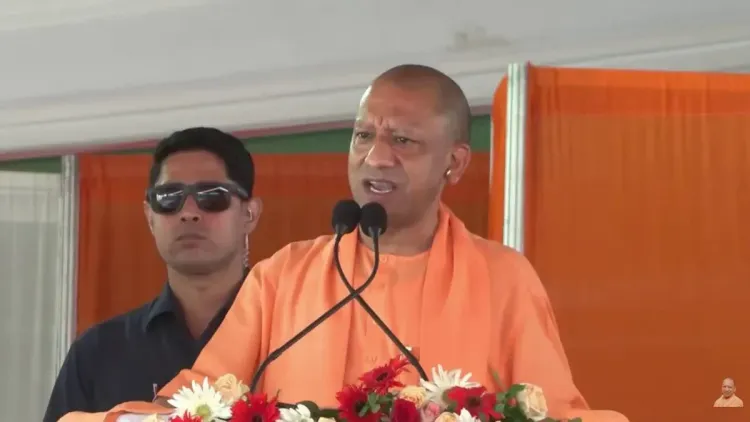
Uttar Pradesh Chief Minister Yogi Adityanath has accused the Samajwadi Party and Congress of running a campaign to defame Ayodhya Dham and the Ram Janmabhoomi. The charge sharpens the political battle over the temple city, which has been a BJP flagship since the January 2024 inauguration.
Key Takeaways
CM Yogi Adityanath on 7 July 2026 accused the Samajwadi Party and Congress of running an organised campaign to defame Ayodhya Dham .
He specifically stated that Shri Ram Janmabhoomi is being defamed by the opposition.
The Ram Temple at Ayodhya was inaugurated on 22 January 2024 following the Supreme Court's 2019 verdict awarding the site for temple construction.
The BJP government in Uttar Pradesh has made Ayodhya's development a signature infrastructure and cultural project.
Responses from Samajwadi Party and Congress are awaited, and the dispute is expected to intensify ahead of future electoral cycles.
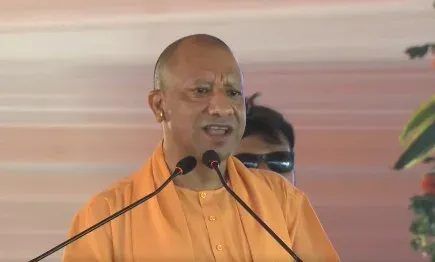
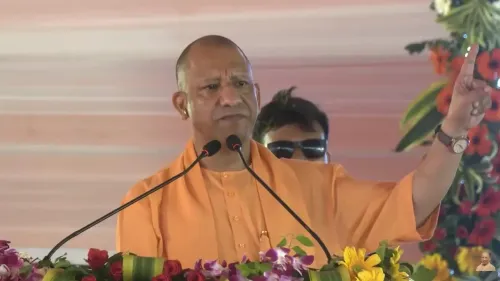
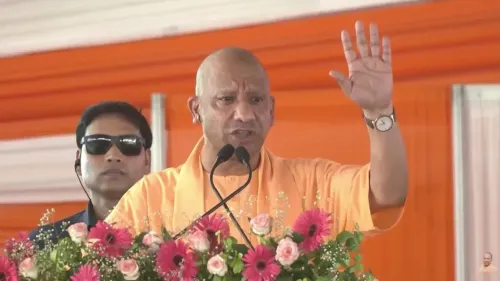
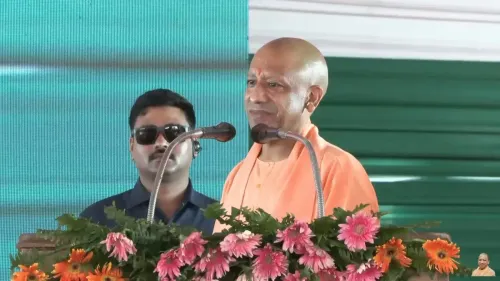
Uttar Pradesh Chief Minister Yogi Adityanath on Tuesday, 7 July 2026, accused the Samajwadi Party and the Indian National Congress of running a deliberate campaign to defame Ayodhya Dham and the Ram Janmabhoomi, the sacred site at the heart of one of India's most consequential judicial and cultural milestones.
Context
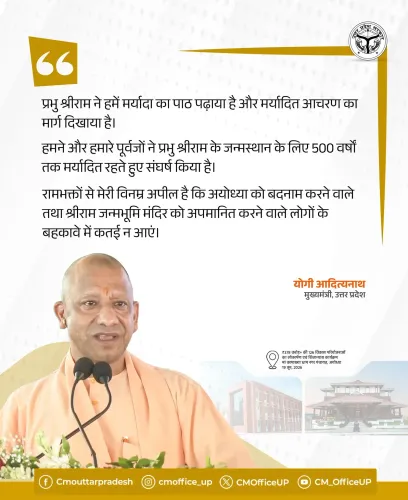
In the post, Yogi Adityanath stated in Hindi: 'Ayodhya Dham ko badnaam karne ke liye Samajwadi Party aur Congress ne muhim chala rakhi hai... Shri Ram Janmabhoomi ko badnaam kiya ja raha hai' — meaning, 'The Samajwadi Party and Congress have launched a campaign to defame Ayodhya Dham... the Shri Ram Janmabhoomi is being defamed.' The charge is pointed and deliberate: both parties are being named as active participants in what the Chief Minister characterises as an organised effort to tarnish the image of the holy city and its central shrine.
The remarks come against the backdrop of heightened political attention on Ayodhya, which has been the subject of sustained infrastructure and tourism development since the Ram Temple inauguration on 22 January 2024. That event, presided over by Prime Minister Narendra Modi, marked the culmination of a decades-long legal and political journey that ended with the Supreme Court's unanimous verdict in November 2019 awarding the disputed site to a trust for temple construction.
Policy Backdrop
The Bharatiya Janata Party government in Uttar Pradesh has consistently positioned Ayodhya as a flagship cultural, religious, and infrastructure project. Since the temple's inauguration, the state has channelled significant investment into the city's roads, airport, hotels, and pilgrim facilities, marketing it as a world-class religious destination.
Framing opposition criticism of Ayodhya-related matters as an attack on Hindu sentiment is a pattern that has recurred across multiple election cycles in the state. The Ram Janmabhoomi movement, which gained momentum through the 1980s and 1990s, remains a deeply emotive reference point in Uttar Pradesh politics, and any controversy touching the temple site tends to generate immediate and sharp responses from the ruling dispensation.
Stakeholders and Impact
For the millions of Hindu devotees who visit Ayodhya each year, the temple and its surroundings carry profound religious significance. Allegations that the site is being 'defamed' resonate strongly with this constituency, which spans Uttar Pradesh and extends across the country.
The Samajwadi Party, led by Akhilesh Yadav, and the Indian National Congress are the primary opposition forces being targeted by the Chief Minister's remarks. Both parties have historically been accused by the BJP of being indifferent or hostile to Hindu religious causes, a charge both deny. Residents of Ayodhya, whose livelihoods are increasingly tied to religious tourism, also have a direct stake in how the city's image is perceived nationally and internationally.
What's Next
Responses from the Samajwadi Party and Congress are expected, and the exchange is likely to intensify as both sides seek to define the political narrative around Ayodhya. Any forthcoming announcements on Ayodhya-related tourism infrastructure or policy in the state assembly session will be closely watched to see whether the ruling party moves to reinforce its development record alongside this political offensive. The dispute underscores how Ayodhya remains not just a religious symbol but an active and contested terrain in mainstream Indian electoral politics.
Point of View
He signals that the BJP intends to keep Ayodhya at the centre of Uttar Pradesh's political conversation well beyond the 2024 inauguration. This is also a pre-emptive move — framing critics as defamers raises the political cost for any party that questions the state's Ayodhya narrative. The pattern suggests that as assembly session debates or local governance issues around Ayodhya surface, the ruling party will consistently pivot to cultural and religious framing to hold the initiative.
NationPress
7 Jul 2026
Frequently Asked Questions
Why did CM Yogi Adityanath accuse SP and Congress of defaming Ayodhya?
On 7 July 2026, CM Yogi Adityanath posted on X accusing the Samajwadi Party and Congress of running a campaign to defame Ayodhya Dham and the Ram Janmabhoomi, framing opposition criticism of the holy city as an organised attack on Hindu sentiment.
What is the Ram Janmabhoomi and why is it significant?
The Ram Janmabhoomi is the site in Ayodhya traditionally regarded as the birthplace of Lord Ram. A Supreme Court verdict in November 2019 awarded the disputed land to a trust, and the Ram Temple built there was inaugurated on 22 January 2024 by Prime Minister Narendra Modi.
What has the BJP government done for Ayodhya's development?
The BJP government in Uttar Pradesh has invested in roads, an international airport, pilgrim facilities, and hospitality infrastructure in Ayodhya, positioning it as a major religious tourism destination since the temple's inauguration in January 2024.
How have SP and Congress responded to Yogi Adityanath's accusation?
As of the time of this report, formal responses from the Samajwadi Party and Congress to CM Yogi's specific 7 July 2026 remarks are awaited.
Is Ayodhya a politically sensitive issue in Uttar Pradesh?
Yes. Ayodhya has been at the centre of Indian religious and electoral politics for decades, and the BJP has consistently used the Ram Janmabhoomi as a key mobilising issue. Accusations against opposition parties over Ayodhya recur regularly during state and national election cycles.