CM Yogi backs drone-based search and rescue integration
Synopsis
Uttar Pradesh Chief Minister Yogi Adityanath on 19 July 2026 called drone-based integrated search and rescue a present-day necessity, signalling the state's continued push to embed UAV technology into emergency response and policing operations.
Key Takeaways
CM Yogi Adityanath on 19 July 2026 publicly endorsed integrated drone-based search and rescue operations as a current necessity.
Uttar Pradesh has been among India's early adopters of drone technology for policing, agriculture, and disaster management since 2022 .
The Drone Rules 2021 by the Ministry of Civil Aviation provided the regulatory foundation enabling state agencies to deploy UAVs for emergency services.
Key stakeholders include state police forces , disaster response teams , and flood-affected populations in Uttar Pradesh 's river plains.
The move aligns with the national Atmanirbhar Bharat push for indigenous technology adoption in public governance and emergency services.
Formal SOPs and announcements on drone-equipped NDRF or police units in UP are expected to follow.
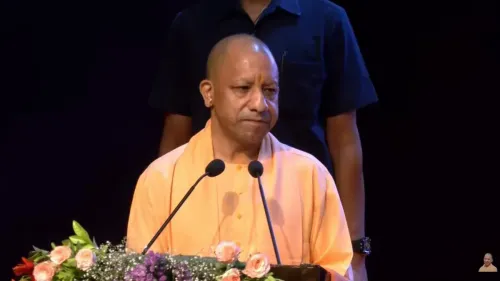
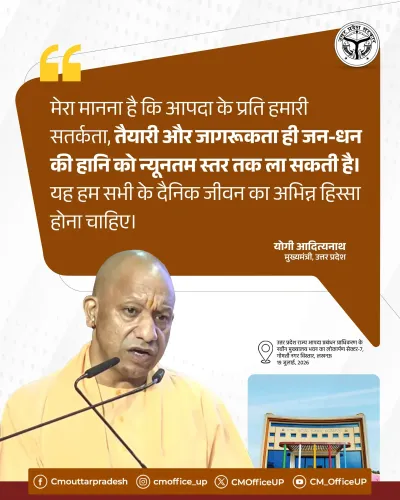
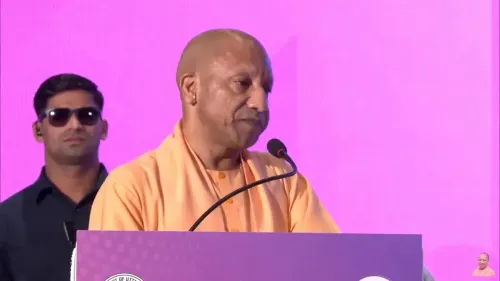
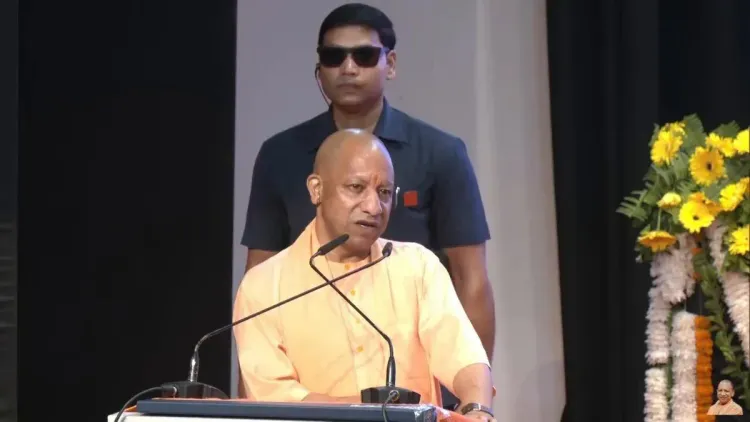
Uttar Pradesh Chief Minister Yogi Adityanath on Sunday, 19 July 2026, underscored the growing importance of drone-based search and rescue operations, calling integrated UAV deployment a necessity of the times. The post, shared on his official X account, was accompanied by a video highlighting the operational use of drones in emergency response scenarios.
Context
In his post, CM Yogi stated — 'Drone aadharit search and rescue operation ka integrated prayog aaj ki aavashyaktaon mein hai' ('Drone-based integrated search and rescue operations are among today's essential needs'). The remark signals a clear policy orientation toward technology-enabled emergency response at the state level. Uttar Pradesh, India's most populous state, has been building out its drone capabilities across policing, agriculture, and disaster management over recent years.
Policy Backdrop
The foundation for this push lies in the Drone Rules 2021, notified by the Ministry of Civil Aviation, which significantly liberalised civilian UAV operations across India, including permissions for surveillance and emergency services. Following the 2021 framework, Uttar Pradesh was among the early states to incorporate drone units into police and disaster-management training programmes from 2022 onward. The current administration's emphasis on drone-based search and rescue aligns with broader national goals around digital governance and the Atmanirbhar Bharat initiative, which encourages indigenous technology adoption in public services.
Stakeholders and Impact
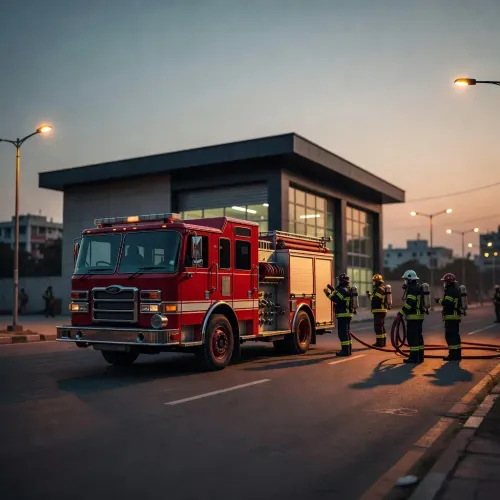
The primary beneficiaries of an integrated drone search and rescue framework are state police forces, disaster response teams, and communities in flood-affected or disaster-prone regions of Uttar Pradesh. The state's geography — encompassing the Ganga and Yamuna flood plains — makes rapid aerial reconnaissance and rescue capability particularly valuable during monsoon emergencies. Drone-equipped units can reduce response times, extend the reach of ground teams, and provide real-time situational awareness in areas that are difficult to access by road.
For state police, UAV integration supports law-and-order operations alongside emergency response, creating a dual-use capability that stretches limited human resources further. Training programmes that combine drone piloting with standard operating procedures for search and rescue are central to making this integration effective on the ground.
What's Next
Observers will watch for formal state-level announcements regarding drone-equipped units within Uttar Pradesh's disaster management apparatus or police force, as well as any new standard operating procedures for integrated UAV search and rescue. CM Yogi's public endorsement of the technology is likely to accelerate procurement discussions and inter-agency coordination between the state's police, NDRF units, and civil aviation authorities. As Indian states compete to modernise emergency response infrastructure, Uttar Pradesh's early-mover positioning in drone deployment could serve as a template for other large states navigating similar disaster-management challenges.
Point of View
Which has used UAV deployment to project modernisation credentials across law-and-order and disaster management. The timing — mid-monsoon, when flood emergencies peak in the Gangetic plains — is politically astute, linking visible tech adoption to a tangible public-safety concern. More broadly, it reflects a competitive dynamic among large Indian states to demonstrate digital-governance capability, with drone policy becoming a marker of administrative ambition. The real test will be whether the endorsement translates into funded, trained, and operationally ready units before the next major disaster cycle.
NationPress
18 Oct 2026
Frequently Asked Questions
What did CM Yogi say about drone search and rescue operations?
CM Yogi Adityanath stated that integrated drone-based search and rescue operations are among today's essential needs, sharing a video on X on 19 July 2026 to highlight UAV use in emergency response.
Does Uttar Pradesh already use drones for disaster management?
Yes. Uttar Pradesh incorporated drone units into police and disaster-management training programmes from 2022 onward, following the central government's Drone Rules 2021 that liberalised civilian UAV operations.
What are the Drone Rules 2021?
The Drone Rules 2021 were notified by India's Ministry of Civil Aviation to ease restrictions on civilian UAV operations, explicitly enabling state agencies to deploy drones for surveillance, emergency services, and search and rescue tasks.
Why is drone-based rescue important for Uttar Pradesh?
Uttar Pradesh's geography includes the flood-prone Ganga and Yamuna plains, making aerial reconnaissance and rapid rescue capability critical during monsoon emergencies when road access is often cut off.
What comes next after CM Yogi's drone rescue statement?
Analysts expect formal state announcements on drone-equipped NDRF or police units and new standard operating procedures for integrated UAV search and rescue operations in Uttar Pradesh.