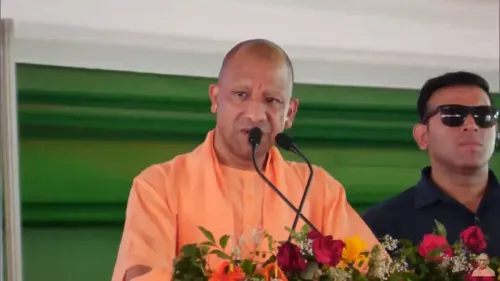
CM Yogi: Barhaj to be key hub in Ayodhya inland waterway
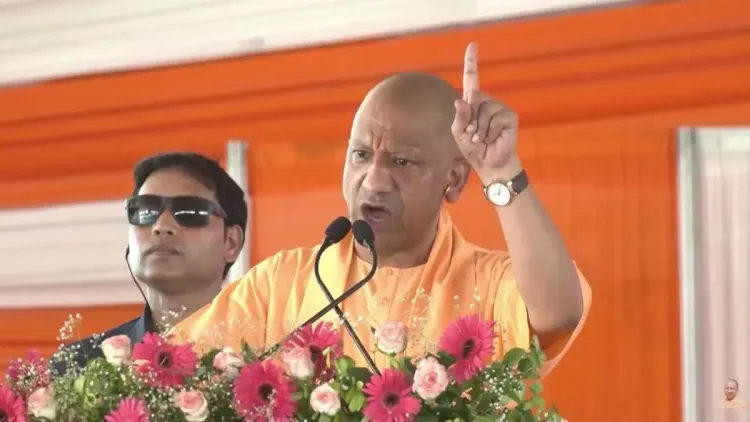
Synopsis
CM Yogi Adityanath announced that Barhaj in Deoria district will serve as a major hub for the inland waterway being developed to improve connectivity to Ayodhya, leveraging the Ghaghara river system and the National Waterways Act, 2016 framework.
Key Takeaways
CM Yogi Adityanath announced on 26 June 2026 that Barhaj in Deoria district will be a key centre for the proposed Ayodhya inland waterway.
The waterway is intended to improve Ayodhya's connectivity and is routed through the navigable Ghaghara river system.
The project falls under the National Waterways Act, 2016 , which notified 111 river stretches as national waterways across India.
The Inland Waterways Authority of India (IWAI) under the Ministry of Ports, Shipping and Waterways is the nodal implementing agency.
Key beneficiaries include Ayodhya pilgrims and tourists , riverine traders, and local businesses in Deoria district .
Next steps include tendering, environmental clearances, and potential integration with the PM Gati Shakti National Master Plan .
Uttar Pradesh Chief Minister Yogi Adityanath announced on Friday, 26 June 2026 that Barhaj, a town in Deoria district, will serve as a major centre for the inland waterway being developed to improve connectivity to Ayodhya.
Context
In his post on X, CM Yogi stated — 'Ayodhya ki connectivity ke liye jo inland waterway banne ja raha hai, uska ek mukhy kendra Barhaj mein bhi banega' — ('The inland waterway being built for Ayodhya's connectivity will also have a major centre at Barhaj'). The announcement signals that the proposed waterway corridor is designed not merely as a point-to-point link but as a networked route with multiple nodes along the river system.
Barhaj is situated on a navigable stretch of the Ghaghara river system, which connects to the broader Ganga basin. Its inclusion as a hub suggests the waterway will tap existing river geography to link Deoria with Ayodhya.
Policy Backdrop
The project draws on the framework established by the National Waterways Act, 2016, which declared 111 river stretches as national waterways across India, enabling central funding and a regulatory structure for inland water transport. The Inland Waterways Authority of India (IWAI), a statutory body under the Ministry of Ports, Shipping and Waterways, is the nodal agency responsible for developing and maintaining such corridors.
Uttar Pradesh contains several notified national waterways on the Ganga and its tributaries. Successive governments have prioritised multimodal logistics corridors — integrating waterways with roads and railways — to lower freight costs and offer greener transport alternatives. Ayodhya's rapid emergence as a premier religious tourism destination, accelerated by the consecration of the Ram Temple in January 2024, has pushed state and central agencies to extend and upgrade waterway links to the city.
Stakeholders and Impact
The most direct beneficiaries of a functional inland waterway hub at Barhaj would be the town's riverine traders and local businesses, who could access cheaper freight movement compared to road transport. Ayodhya-bound pilgrims and tourists represent another significant constituency, with waterway travel offering a scenic and potentially lower-cost alternative to highway routes.
For Deoria district — historically an agricultural and small-trade economy — designation as a waterway hub could stimulate ancillary investment in logistics, hospitality, and riverfront infrastructure. Environmental groups and local fishing communities along the Ghaghara will also have a stake in how the project is designed and executed.
What's Next
The immediate milestones to watch include formal tendering processes, environmental clearances, and any integration of the waterway project with the PM Gati Shakti National Master Plan, which seeks to coordinate multimodal infrastructure across ministries. Detailed project reports and IWAI notifications will clarify the precise alignment of the waterway and the infrastructure planned at Barhaj.
If the corridor moves to implementation, it could set a template for connecting other pilgrimage and heritage towns in Uttar Pradesh through inland water transport — reinforcing the state's broader push to build world-class infrastructure around its religious tourism circuit.
Point of View
Signalling ambition for a networked river transport system across eastern Uttar Pradesh. The choice of Barhaj — a Ghaghara riverbank town in Deoria — reflects a deliberate effort to distribute infrastructure dividends beyond Ayodhya itself, potentially addressing long-standing connectivity deficits in the region. This fits into a broader pattern of the Yogi government layering waterway, road, and air infrastructure around Ayodhya's religious tourism boom since the Ram Temple consecration. The real test will be the pace of environmental clearances and IWAI project execution, which have historically been the chokepoints for inland waterway ambitions in Uttar Pradesh.
NationPress
25 Sept 2026
Frequently Asked Questions
What is the Ayodhya inland waterway project?
It is a proposed inland waterway corridor aimed at improving connectivity to Ayodhya by utilising navigable river stretches, including the Ghaghara river system, under the framework of the National Waterways Act, 2016.
Why is Barhaj being made a hub for the Ayodhya waterway?
Barhaj in Deoria district is located on a navigable stretch of the Ghaghara river, making it geographically suitable as a logistics and passenger node on the proposed waterway corridor.
Who is responsible for building inland waterways in India?
The Inland Waterways Authority of India (IWAI), a statutory body under the Ministry of Ports, Shipping and Waterways, is the nodal agency for developing and maintaining national waterways.
How does the National Waterways Act, 2016 relate to this project?
The Act declared 111 river stretches as national waterways, enabling central government funding and a regulatory framework that underpins projects like the proposed Ayodhya waterway corridor.
Who will benefit from the Barhaj waterway hub?
Primary beneficiaries include Ayodhya-bound pilgrims and tourists, riverine traders, and local businesses in Deoria district, who stand to gain from cheaper and greener freight and passenger transport options.