CM Yogi Flags Bhadohi's Carpet Art as Engine of Youth Jobs and Global Trade
Synopsis
Uttar Pradesh CM Yogi Adityanath spotlighted Bhadohi's iconic carpet art on 4 October 2026, calling it a simultaneous engine of employment, exports, youth opportunity, and global recognition — framing craft clusters as core economic infrastructure for the state.
Key Takeaways
CM Yogi Adityanath posted on 4 October 2026 praising Bhadohi's traditional carpet art as a multi-dimensional economic asset.
The post identifies four simultaneous outcomes: job creation, export growth, youth opportunity, and global branding for Bhadohi.
Bhadohi and Mirzapur together form India's dominant hand-knotted carpet export belt, serving buyers in Europe, the US, and the Gulf.
Bhadohi carpets are a flagship listing under Uttar Pradesh's One District One Product (ODOP) scheme.
The explicit mention of youth opportunity links craft promotion directly to the state's employment agenda for its large young population.
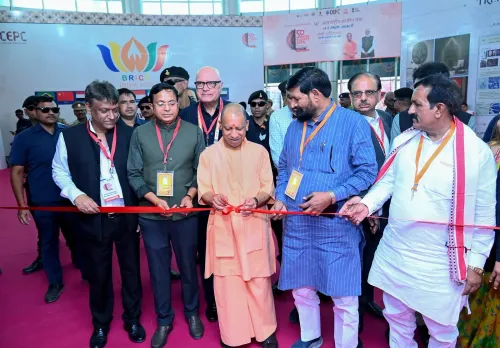
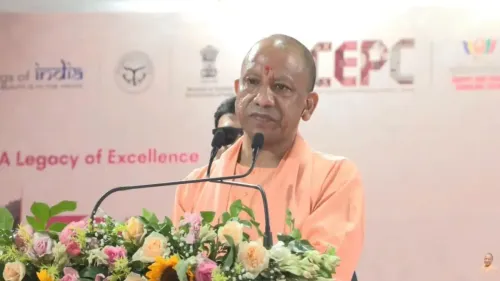
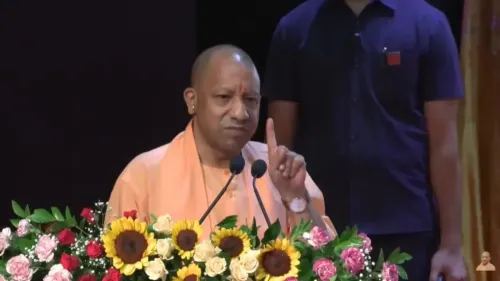
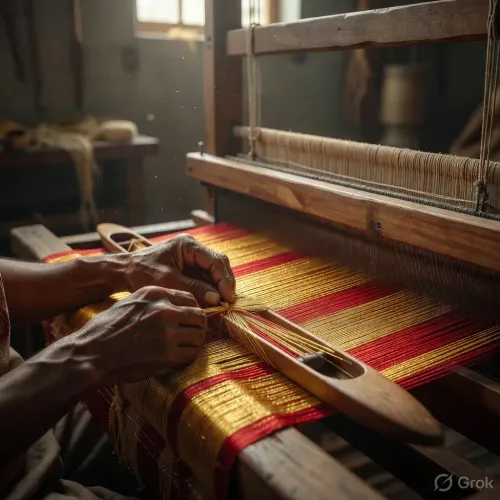
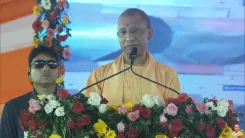
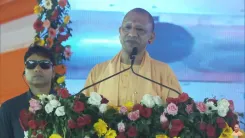
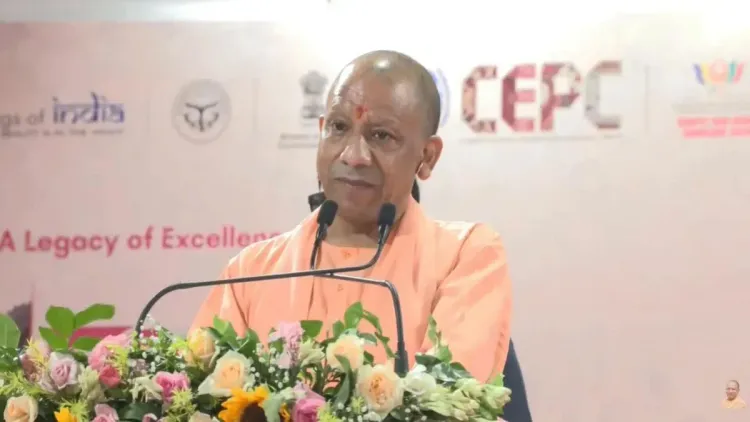
The post included a video , likely showcasing the weaving process or a craft event.
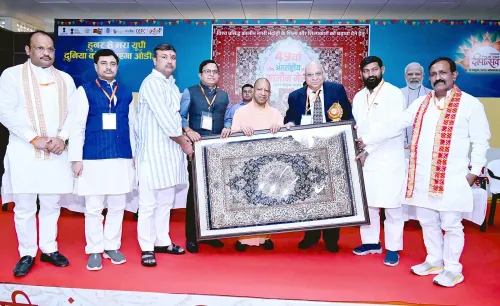
A district long famous for hand-knotted carpets is now being positioned as a model for how traditional craft can power a modern economy. On Sunday, 4 October 2026, Uttar Pradesh Chief Minister Yogi Adityanath highlighted Bhadohi's art as a simultaneous driver of employment, exports, youth opportunity, and global recognition — signalling the state government's intent to treat craft clusters as serious economic infrastructure.
Posting in Hindi, CM Yogi wrote: 'Aaj Bhadohi ki kala rozgaar bhi paida kar rahi hai, niryaat bhi badha rahi hai, yuvaon ko avsar bhi de rahi hai aur Bhadohi ko ek vaishvik pehchan bhi dila rahi hai...' — 'Today, Bhadohi's art is generating employment, boosting exports, giving opportunities to youth, and earning Bhadohi a global identity.'Where Carpet Country Meets the World Market
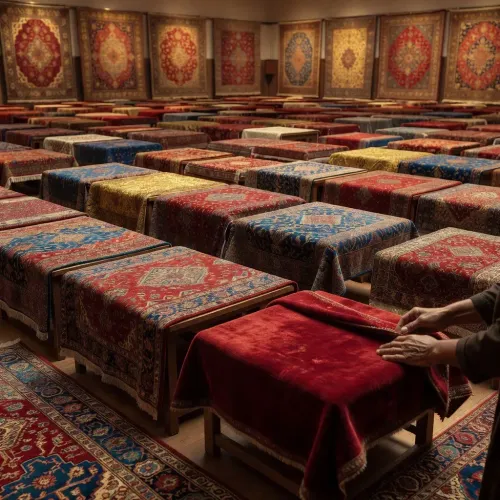
Bhadohi, situated in eastern Uttar Pradesh, is known internationally as the heart of India's hand-knotted carpet belt. The district, along with neighbouring Mirzapur, accounts for a dominant share of India's carpet and floor-covering exports, with buyers spanning Europe, the United States, and the Gulf. The craft is labour-intensive by design — thousands of artisans, many of them women and young workers from rural households, tie each knot by hand, making the industry a natural vehicle for grassroots employment at scale. CM Yogi's four-point framing — jobs, exports, youth, global identity — is not accidental. It maps the craft directly onto the state government's stated priorities: reducing unemployment among youth, growing foreign exchange earnings, and projecting Uttar Pradesh as an investment and export destination rather than merely a consumption market.Craft Clusters as UP's Export Play
The state has in recent years pushed to formalise its One District One Product (ODOP) framework, under which Bhadohi's carpets are a flagship listing. The scheme aims to link artisans with institutional buyers, provide design and marketing support, and facilitate access to export infrastructure — effectively turning a cottage industry into a supply-chain asset. When a Chief Minister amplifies this narrative publicly, it typically precedes or accompanies policy announcements, trade fairs, or export promotion events, though no specific event was detailed in today's post. The accompanying video in the post is likely to show the weaving process or a craft showcase — a reminder that behind every export figure is a loom, a family, and a tradition stretching back generations.Youth at the Loom, Not the Unemployment Queue
The explicit mention of yuvaon ko avsar — 'opportunity for youth' — is pointed. Uttar Pradesh carries one of India's largest youth populations, and channelling that demographic into skilled, export-linked craft work addresses two political imperatives at once: visible job creation and foreign-exchange contribution. Carpet weaving, once seen as a trade passed down with little formal recognition, is increasingly being framed as a skilled vocation worthy of state investment and international branding. If Bhadohi's looms can be kept humming for global markets, the district becomes proof-of-concept — that India's craft economy, backed by government logistics and branding, can compete with mass manufacturing on the world stage.Point of View
Exports, youth, global identity — maps Bhadohi's carpet industry directly onto the BJP government's core electoral and economic promises in Uttar Pradesh, where youth unemployment and export competitiveness are perennial pressure points. Amplifying craft clusters fits a broader pattern of the state leveraging the ODOP framework to demonstrate tangible, ground-level economic wins ahead of political cycles. The signal is also outward-facing: positioning a traditional district craft as a 'global' product is part of UP's deliberate rebranding from India's most populous problem-state into an export and investment powerhouse. Whether the loom can match the rhetoric depends on sustained supply-chain and logistics investment that the post gesture toward but does not detail.
NationPress
4 Oct 2026
Frequently Asked Questions
Why is Bhadohi famous for carpets?
Bhadohi in eastern Uttar Pradesh is internationally recognised as the centre of India's hand-knotted carpet industry. The district, alongside Mirzapur, produces a large share of India's carpet exports, with a craft tradition passed down across generations of artisan families.
What is the ODOP scheme and how does it relate to Bhadohi?
The One District One Product (ODOP) scheme links each UP district to a signature product for promotion, branding, and export support. Bhadohi's hand-knotted carpets are a flagship listing under this framework, receiving marketing and supply-chain assistance from the state government.
What did CM Yogi Adityanath say about Bhadohi on 4 October 2026?
CM Yogi posted on X that Bhadohi's art is simultaneously generating employment, boosting exports, providing youth with opportunities, and earning the district a global identity — framing craft promotion as a core economic strategy.
How do Bhadohi carpets contribute to UP's exports?
The Bhadohi-Mirzapur carpet belt is a major source of India's hand-knotted carpet exports, with markets in Europe, the United States, and the Gulf. The labour-intensive nature of the craft makes it a significant source of rural employment as well as foreign exchange earnings.
How does Bhadohi's carpet industry help UP youth?
Carpet weaving is a skilled, labour-intensive vocation that employs large numbers of young workers and women from rural households. With state support for branding, design, and export linkages, the industry offers an alternative pathway for youth employment in a state with one of India's largest young populations.