CM Yogi Spotlights UP Artisans on National Handloom Day
Synopsis
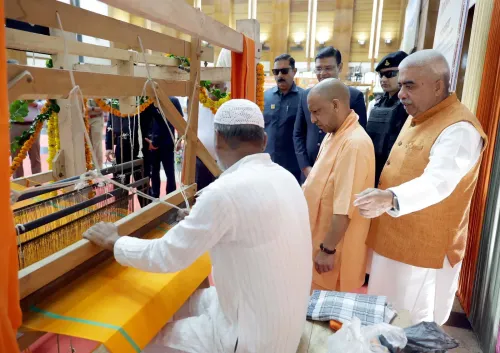
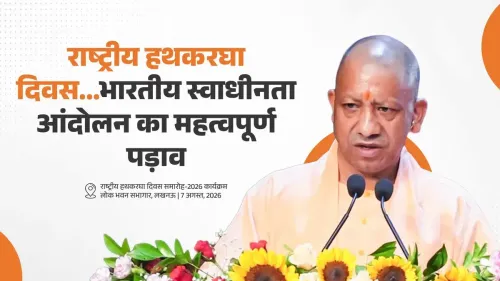
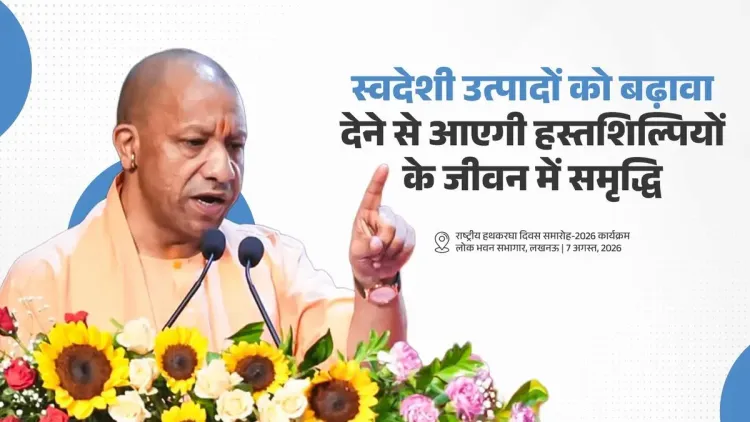
On National Handloom Day, 7 August 2026, CM Yogi Adityanath highlighted the presence of Bhadohi's renowned carpet inside Parliament and praised UP artisans whose handcrafted products, displayed across India, embody national pride and respect for traditional craftsmanship.
Key Takeaways
Chief Minister Yogi Adityanath marked National Handloom Day on 7 August 2026 by spotlighting UP's artisan legacy.
The CM referenced the famous Bhadohi carpet as being visible inside Parliament House , framing it as a symbol of national pride.
Bhadohi , in eastern Uttar Pradesh, is a globally recognised hub for hand-knotted woollen carpets.
National Handloom Day has been observed every 7 August since 2015 , commemorating the 1905 Swadeshi Movement .
UP's handloom clusters — including Varanasi and Bhadohi — are central to the state government's cultural and economic promotion strategy.
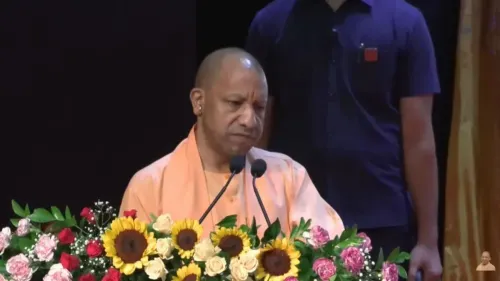
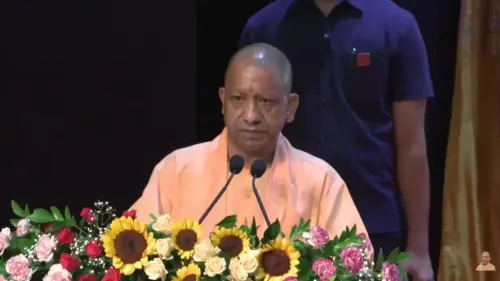
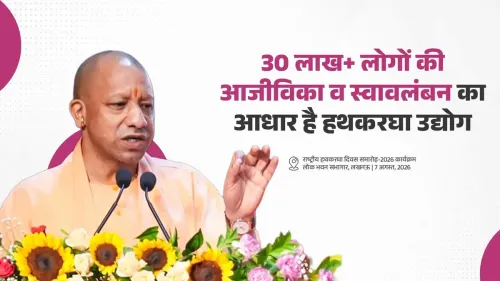
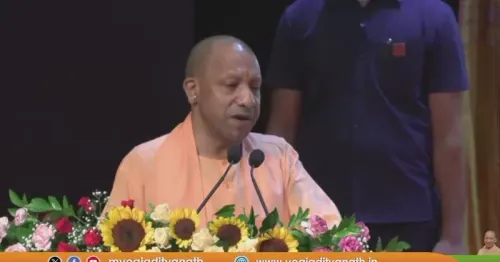
A carpet woven in Bhadohi — and a tradition carried by thousands of hands across Uttar Pradesh — found its way into the halls of Parliament on National Handloom Day, 7 August 2026. The Chief Minister's Office of Uttar Pradesh shared a statement from Chief Minister Yogi Adityanath on X, drawing attention to the state's handloom and handicraft legacy as India marked the annual occasion honouring its weavers.
Quoting the Chief Minister directly: 'Aap Sansad Bhavan mein Bhadohi ki prasiddh kaleen dekh sakte hain' — 'You can see the famous carpet of Bhadohi inside the Parliament building.' Yogi Adityanath added that products crafted by UP's artisans and weavers, displayed across different parts of the country, 'express respect and pride towards them.'
Bhadohi's carpet on the national stage
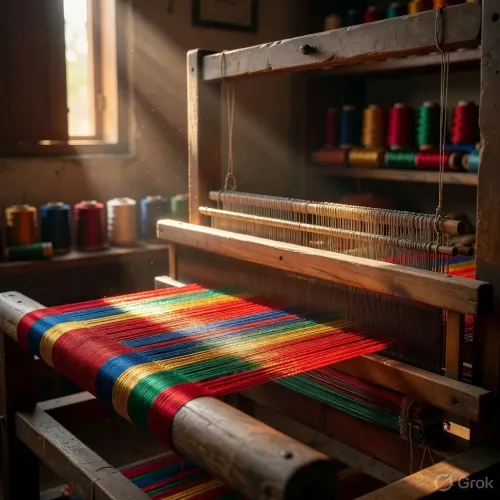
Bhadohi, a district in eastern Uttar Pradesh, is one of the world's most recognised centres for hand-knotted woollen carpets. Its weavers have supplied markets from the Middle East to Europe for decades, and the craft supports hundreds of thousands of livelihoods in the region. Placing a Bhadohi carpet inside Parliament House is a pointed act of institutional recognition — the kind that signals cultural prestige far beyond any trade fair.
National Handloom Day and the Swadeshi thread
National Handloom Day has been observed every 7 August since 2015, chosen to commemorate the Swadeshi Movement launched on that date in 1905 — a moment when Indian-made cloth became an act of political resistance. The day now serves as an annual platform for state governments, particularly those in textile-producing belts, to spotlight local clusters and push for better market access for their artisans.
Uttar Pradesh — home to handloom clusters in Varanasi (Banarasi silk), Bhadohi (carpets), and several other districts — has consistently positioned these crafts within both cultural and economic promotion narratives under Yogi Adityanath's government since 2017.
The statement is a reminder that India's most storied legislative chamber is itself a canvas for the country's craft traditions — and that the artisan's loom, not just the legislator's podium, shapes what the building says about the nation.
Point of View
The messaging carries deliberate historical resonance. Whether it translates into sustained policy support — better wages, export facilitation, or cluster upgrades — for Bhadohi's weavers is the question that outlasts the occasion.
NationPress
21 Sept 2026
Frequently Asked Questions
What is National Handloom Day and when is it celebrated?
National Handloom Day is observed every 7 August in India since 2015 to honour handloom weavers and commemorate the Swadeshi Movement launched on that date in 1905 .
Why is Bhadohi famous for carpets?
Bhadohi in eastern Uttar Pradesh is one of the world's leading centres for hand-knotted woollen carpets, with a centuries-old weaving tradition that supplies markets across Asia, Europe, and the Middle East.
What did CM Yogi Adityanath say on National Handloom Day 2026?
CM Yogi Adityanath stated that the famous Bhadohi carpet can be seen inside the Parliament building , and that products made by UP's artisans displayed across India express respect and pride for the craftspeople.
Which handloom clusters is Uttar Pradesh known for?
Uttar Pradesh is home to major handloom clusters including Bhadohi for carpets and Varanasi for Banarasi silk, both of which the state government actively promotes under its cultural and economic initiatives.
What is the significance of displaying the Bhadohi carpet in Parliament?
Placing a Bhadohi carpet inside Parliament House serves as institutional recognition of the craft, elevating it from a regional trade product to a symbol of national cultural heritage.