CM Yogi: All 75 UP Districts Now Have a Unique ODOP Product
Synopsis
Chief Minister Yogi Adityanath says every one of Uttar Pradesh's 75 districts now has a distinct product under the ODOP scheme, with technology integration, market access and professional branding already in place, deepening the state's push to scale its unorganised sector.
Key Takeaways
All 75 districts of Uttar Pradesh now have a unique product identified under the One District One Product (ODOP) scheme.
The state has extended support beyond identification — linking products to modern technology , formal markets, and dedicated branding .
ODOP was launched in 2018 targeting local artisans and district-level MSMEs in India's most populous state.
CM Yogi Adityanath has positioned the scheme as a core pillar of Uttar Pradesh's industrial and export policy.
The ODOP model has been adopted by other Indian states, signalling broader policy credibility.
Upcoming quarterly export data and state budget announcements will be the key indicators of on-ground impact.
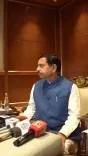
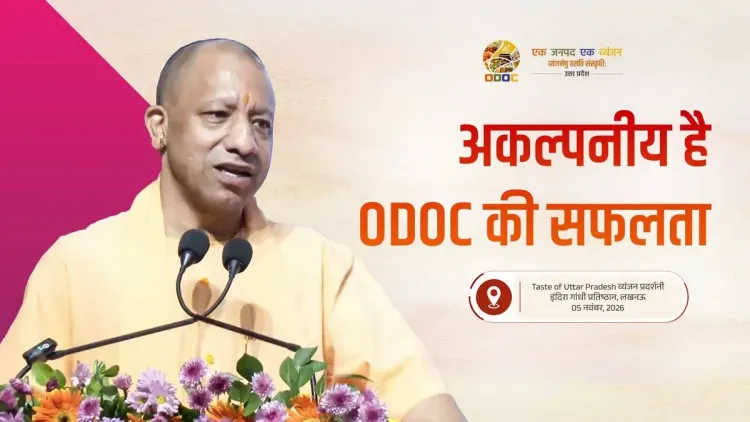
Uttar Pradesh's 75 districts each now carry a distinct product identity — and Chief Minister Yogi Adityanath's office says the state has gone further, wiring those products into technology platforms, modern markets, and dedicated branding. The Chief Minister's Office of Uttar Pradesh posted the remark on 5 November 2026.
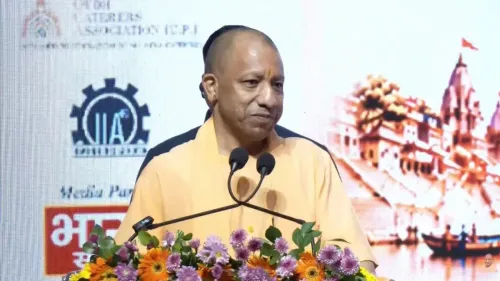
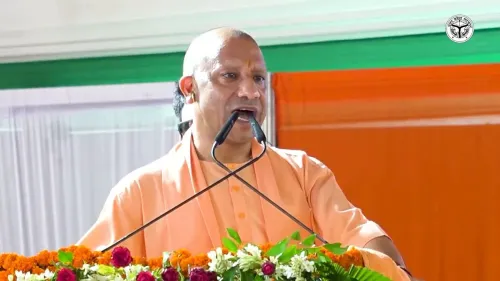
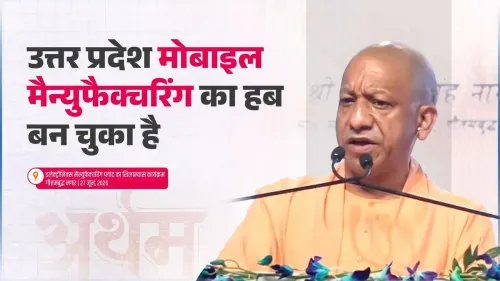
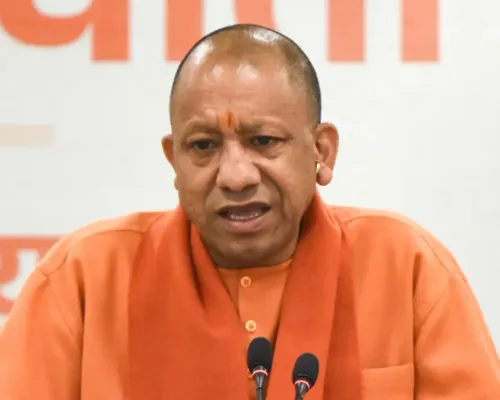
Speaking in Hindi, CM Yogi Adityanath said: 'आज उत्तर प्रदेश के सभी 75 जनपदों का अपना एक विशिष्ट उत्पाद है' — 'Today, every one of Uttar Pradesh's 75 districts has its own unique product.' He added that the state had connected those products with technology, provided them modern tools, opened up markets, and built their brand identity.
ODOP's eight-year journey — from idea to 75-district coverage
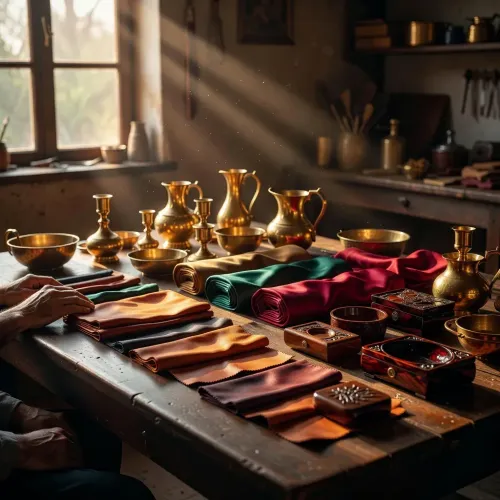
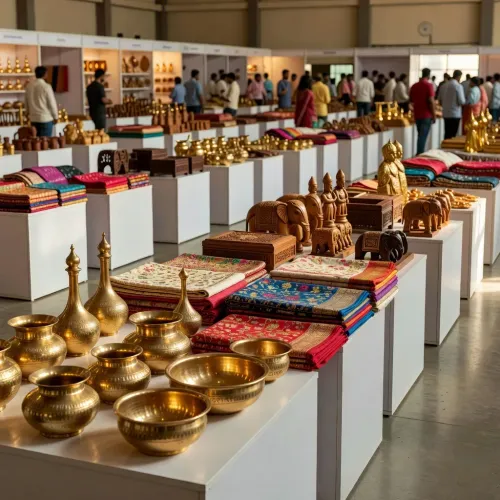
The One District One Product (ODOP) scheme was launched by the Uttar Pradesh government in 2018 with a straightforward premise: identify the single most distinctive product in each district — a craft, a food item, a textile — and give it state-backed support to scale. What began as a local artisan-welfare measure has since grown into a full industrial-policy instrument. The scheme targets the unorganised sector directly, covering local artisans and district-level MSMEs who would otherwise lack the capital or connections to reach national or export markets. Uttar Pradesh, India's most populous state with 75 districts, presents a formidable coordination challenge for any such programme. The CM's statement signals that full geographical coverage has been achieved — every district mapped, every product identified.Technology and branding: the value-addition push
The sharper edge of the CM's statement is not the coverage number but the value chain built around it. Making products available was always step one; connecting them to 'modern technology,' formal markets, and professional branding is what transforms a cottage industry into an exportable asset. This layered approach — technology integration, market linkage, and brand creation — mirrors the broader direction of Uttar Pradesh's industrial policy, which has increasingly focused on squeezing more value out of the unorganised sector rather than simply counting units or beneficiaries. Comparable district-product programmes have since been replicated by other Indian states, a signal that the ODOP model carries institutional credibility beyond UP's borders.What artisans and MSMEs stand to gain
For the lakhs of weavers, metalworkers, food processors, and handicraft makers who form ODOP's base, the promise is concrete: state-facilitated access to e-commerce platforms and export channels that were previously out of reach. Quarterly ODOP export data releases and upcoming state budget announcements on further technology or e-commerce linkages will be the clearest measure of whether the ambition translates into rupees in artisans' hands. Seventy-five products. One state. The question now is whether the branding holds up at the border — and in the balance of trade.Point of View
Associating his administration with tangible economic geography (75 districts, one product each) is a politically durable story heading into any electoral cycle. The emphasis on technology and branding, rather than mere identification, also signals an attempt to shift ODOP from a welfare frame to a competitiveness frame — positioning UP's unorganised sector as an export force. Whether the branding investment and market linkages are uniform across all 75 districts or concentrated in headline districts will determine whether this is a genuine structural shift or a well-packaged milestone.
NationPress
5 Nov 2026
Frequently Asked Questions
What is the One District One Product scheme in Uttar Pradesh?
The One District One Product (ODOP) scheme, launched in 2018, identifies and promotes one unique product from each of Uttar Pradesh's 75 districts — ranging from crafts and textiles to agro-products — giving them state support in technology, market access and branding.
How many districts are covered under ODOP in UP?
All 75 districts of Uttar Pradesh are covered under the ODOP scheme, with each district assigned a distinct signature product.
What has CM Yogi Adityanath said about ODOP in November 2026?
On 5 November 2026, CM Yogi Adityanath stated that every one of UP's 75 districts now has its own unique product, and that the state has connected these products to modern technology, opened markets for them, and built their brand identity.
Who benefits from the ODOP scheme in Uttar Pradesh?
The primary beneficiaries are local artisans and district-level micro, small and medium enterprises (MSMEs) in Uttar Pradesh's unorganised sector, who gain access to technology platforms, formal markets and export channels through the scheme.
Has ODOP been adopted by other Indian states?
Yes, comparable district-product promotion programmes modelled on UP's ODOP framework have since been adopted by other Indian states, reflecting the scheme's broader policy influence.