CM Yogi champions handloom sector as lifeline for 30 lakh UP workers
Synopsis
On National Handloom Day, UP Chief Minister Yogi Adityanath invoked the swadeshi and handloom sector as the livelihood foundation for over 30 lakh people, reinforcing his government's self-reliance narrative built around UP's iconic weaving clusters.
Key Takeaways
CM Yogi Adityanath posted on August 7, 2026 — National Handloom Day — citing the handloom and swadeshi sector as the livelihood base for more than 30 lakh people .
Uttar Pradesh hosts major handloom clusters in Varanasi (Banarasi silk), Lucknow (chikankari) and Bareilly (carpet weaving).
The National Handloom Development Programme was expanded in 2015-16 to provide credit, marketing and skill support to weavers.
The Atmanirbhar Bharat package of 2020 reinforced the swadeshi manufacturing push at the national level.
The Yogi government has consistently linked handloom revival to a broader economic self-reliance and cultural identity message.
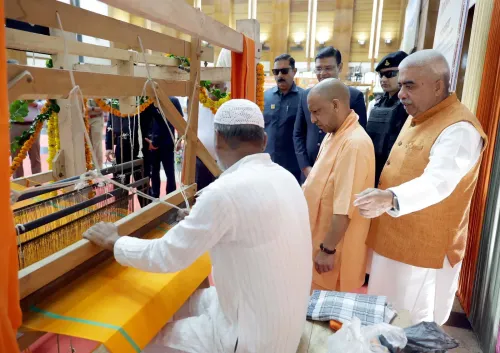
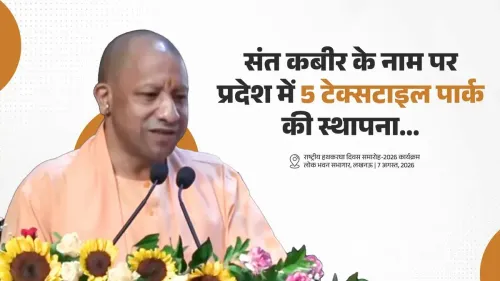
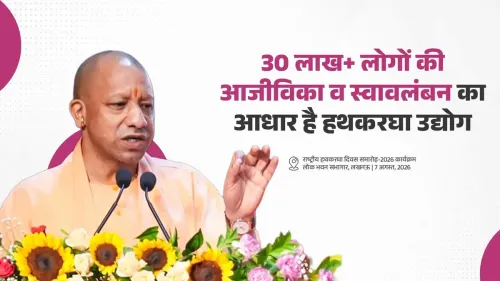
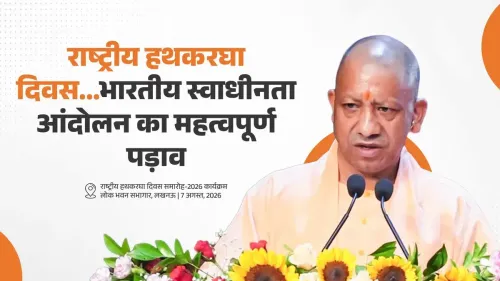
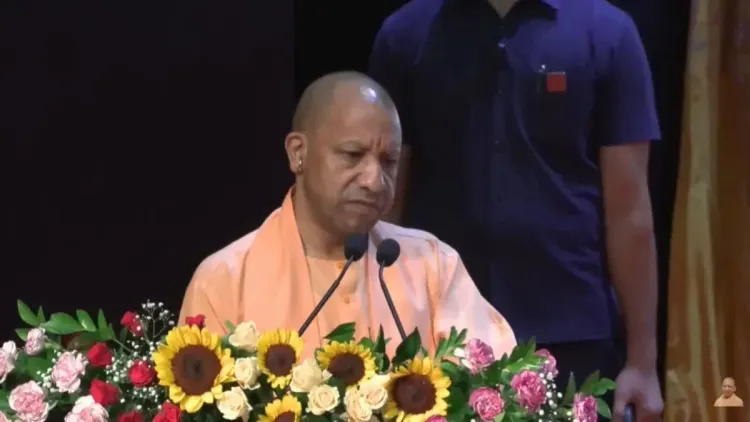
Thirty lakh livelihoods. That is the number Uttar Pradesh Chief Minister Yogi Adityanath placed at the centre of his National Handloom Day message on Friday, August 7, 2026 — invoking the twin pillars of swadeshi (indigenous production) and the handloom industry as the bedrock of self-reliance for millions of weavers and artisans across the state.
In his post on X, CM Yogi wrote: '30 lakh se adhik logon ki aajivika evam unke swavalamban ka aadhar swadeshi aur hathkargha udyog hain' — 'The swadeshi and handloom industries are the foundation of the livelihood and self-reliance of more than 30 lakh people.' The message frames traditional weaving not as a heritage footnote but as a living economic engine.
Varanasi to Lucknow: UP's handloom heartland
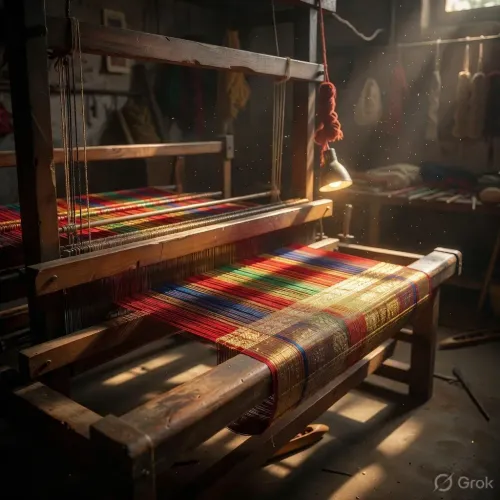
Uttar Pradesh is home to some of India's most storied handloom clusters — the Banarasi silk of Varanasi, the chikankari embroidery of Lucknow, and the carpet-weaving belts of Bareilly. These are not cottage curiosities; they are decentralised production networks that sustain entire rural and semi-urban economies, often with women weavers at the core.
The sector operates largely outside formal employment, making it both resilient and vulnerable — resilient because it requires minimal capital infrastructure, vulnerable because market access, credit, and raw-material costs can devastate margins overnight. State and central interventions have repeatedly tried to bridge that gap.
Swadeshi messaging meets policy lineage
CM Yogi's framing is not incidental. The National Handloom Development Programme, significantly expanded in 2015-16, extended credit support, skill training, and marketing linkages to weavers nationwide. The Atmanirbhar Bharat package of 2020 doubled down on indigenous manufacturing, giving the swadeshi vocabulary fresh political and economic currency.
Under the Yogi Adityanath administration, handloom revival has been woven — deliberately — into a broader self-reliance narrative. Promoting swadeshi textiles is simultaneously an economic policy and a cultural statement, connecting weavers' daily wages to a larger story of Indian identity and production.
With UP's upcoming fiscal planning cycle on the horizon, the signal from the Chief Minister's office is clear: the handloom sector will remain a priority axis for both livelihood schemes and marketing push. Whether that translates into concrete cluster investments or weaver-welfare budget lines is the next test.
Point of View
The messaging connects individual weaver livelihoods to the broader Atmanirbhar Bharat arc, a narrative the BJP has cultivated since 2020. For a state heading into its next budget cycle, such public emphasis from the Chief Minister typically precedes concrete cluster or welfare announcements. The consistency of this handloom-as-identity theme across successive Yogi-era communications suggests it is a durable policy priority, not a seasonal tribute.
NationPress
21 Sept 2026
Frequently Asked Questions
What is National Handloom Day and why is it celebrated on August 7?
National Handloom Day is observed on August 7 every year to honour India's handloom weavers and promote indigenous textiles. The date commemorates the Swadeshi Movement launched on August 7, 1905, making it a symbolic link between handloom craft and economic self-reliance.
How many people does the handloom sector employ in Uttar Pradesh?
CM Yogi Adityanath's post states that the swadeshi and handloom industries are the livelihood foundation for more than 30 lakh people . This figure, cited by the Chief Minister, reflects the sector's scale across UP's weaving clusters, though precise independent verification of the current statistic is not available.
Which are the major handloom clusters in Uttar Pradesh?
Uttar Pradesh is home to several iconic handloom clusters: Varanasi is known for Banarasi silk sarees, Lucknow for chikankari embroidery, and Bareilly for carpet weaving. These clusters support large numbers of weavers and artisans in both urban and rural settings.
What government schemes support handloom weavers in India?
The National Handloom Development Programme , expanded in 2015-16 , provides credit access, skill development, and marketing support to weavers. The Atmanirbhar Bharat package announced in 2020 further reinforced support for indigenous manufacturing, including the handloom sector.
What does swadeshi mean in the context of handloom promotion?
Swadeshi literally means 'of one's own country' and refers to the preference for domestically produced goods. In the handloom context, it is used to encourage consumers to buy Indian-made textiles, directly supporting weaver livelihoods and reducing dependence on imported or machine-made fabric.