CM Yogi: UP's Handloom Sector Sustains Over 30 Lakh Lives
Synopsis
On National Handloom Day 2026, Chief Minister Yogi Adityanath declared that Uttar Pradesh's handloom and khadi sector underpins the livelihood and self-reliance of over 30 lakh people, framing indigenous textiles as a pillar of the state's rural economy.
Key Takeaways
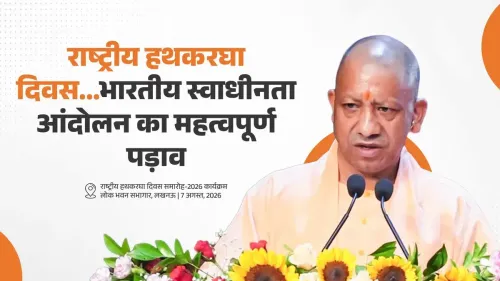
The Chief Minister's Office of Uttar Pradesh marked National Handloom Day on 7 August 2026 with a statement from CM Yogi Adityanath .
The CM cited the handloom and khadi sector as the livelihood and self-reliance foundation for more than 30 lakh people in Uttar Pradesh.
National Handloom Day has been observed every 7 August since 2015 , commemorating the launch of the Swadeshi movement in 1905 .
Uttar Pradesh hosts major handloom clusters including Varanasi (silk), Chandausi (cotton), and Bhadohi (carpets).
The CM's use of the term swavalamban (self-reliance) aligns the sector with national policy emphasis on indigenous, decentralised manufacturing.
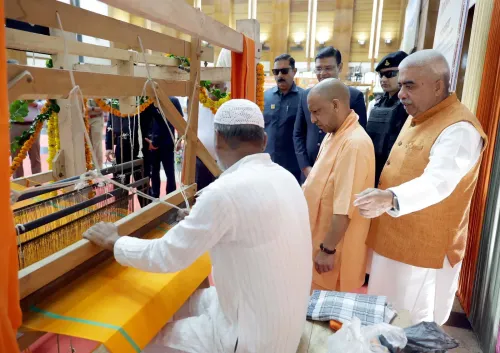
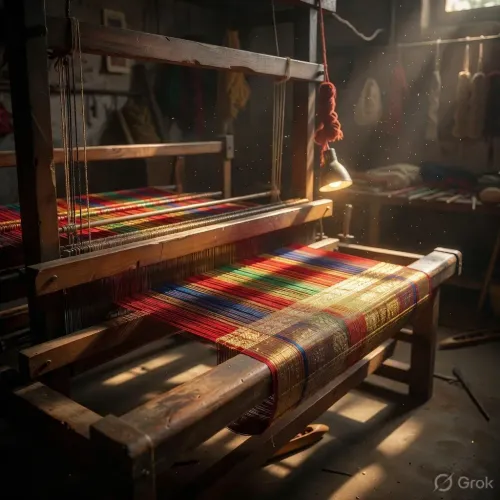
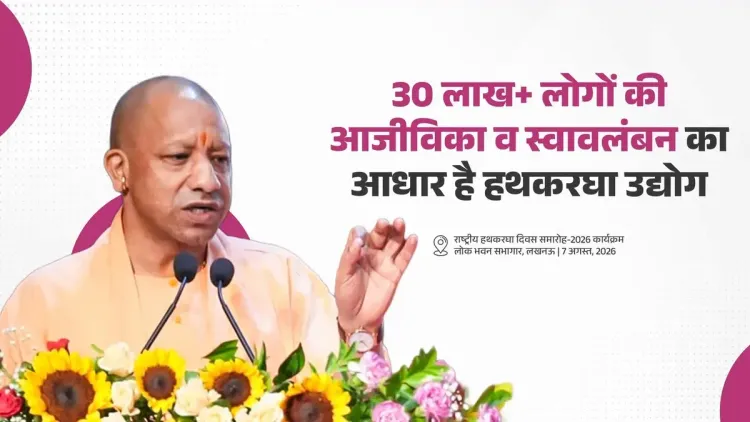
On National Handloom Day, 7 August 2026, the Chief Minister's Office of Uttar Pradesh put a number to the weight of the loom — declaring that the handloom and khadi sector forms the livelihood backbone of more than 30 lakh people across the state.
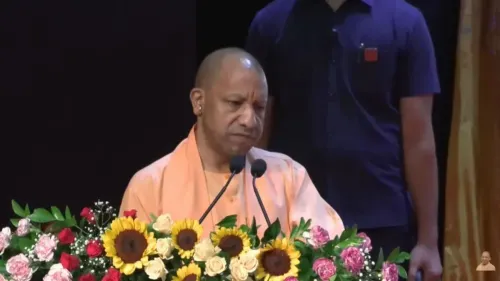
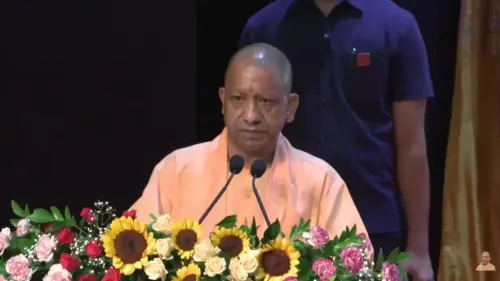
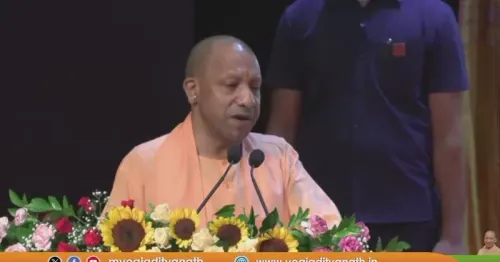
Quoting Chief Minister Yogi Adityanath, the official CMO post stated: 'स्वदेशी एवं खादी उत्पादों से जुड़ा हथकरघा उद्योग उत्तर प्रदेश के 30 लाख से अधिक लोगों की आजीविका और स्वावलंबन का आधार है' — 'The handloom industry, linked to indigenous and khadi products, is the foundation of livelihood and self-reliance for more than 30 lakh people in Uttar Pradesh.'
Why August 7 carries weight for India's weavers
National Handloom Day has been observed every 7 August since 2015, when the Government of India instituted it to honour weavers and mark the anniversary of the Swadeshi movement, launched on the same date in 1905. The choice of date is deliberate — it threads together the colonial-era push for indigenous manufacturing with the modern policy goal of rural self-employment. For Uttar Pradesh, India's most populous state, that thread runs deep.
UP's handloom clusters and the self-reliance argument
Uttar Pradesh has historically hosted some of the country's densest handloom clusters — from the silk weavers of Varanasi to the cotton weaves of Chandausi and the carpet artisans of Bhadohi. The sector sits outside the factory system, operating through household looms and small cooperatives, which makes it both resilient and vulnerable. CM Yogi's framing — swavalamban, or self-reliance — deliberately echoes the vocabulary of national policy, positioning the handloom economy not as a welfare dependency but as an engine of decentralised dignity.
State governments across India use National Handloom Day to reaffirm political commitment to the sector. But the scale Uttar Pradesh claims — over 30 lakh beneficiaries — signals that for this administration, the handloom sector is a significant electoral and economic constituency, not a footnote.
The real test will come in budget allocations, weaver welfare schemes, and access to national and international expos in the months ahead. Statements are easy. The loom needs more than words.
Point of View
Language that resonates with both the BJP's Swadeshi heritage and its rural employment optics. For a state the size of Uttar Pradesh, anchoring over 30 lakh workers to a single sector is a significant political claim, and one that will face scrutiny if budget cycles do not follow through. The invocation of the Swadeshi movement also ties the statement to a deeper cultural nationalism that successive UP administrations have leaned on to distinguish handloom from mere cottage industry. Watch for whether this rhetoric translates into scheme announcements before the next state budget.
NationPress
21 Sept 2026
Frequently Asked Questions
What is National Handloom Day and when is it celebrated?
National Handloom Day is observed every year on 7 August to honour India's handloom weavers and commemorate the launch of the Swadeshi movement on 7 August 1905 . It was instituted by the Government of India in 2015 .
How many people does the handloom industry employ in Uttar Pradesh?
According to a statement by Chief Minister Yogi Adityanath on National Handloom Day 2026, the handloom and khadi sector supports the livelihoods of more than 30 lakh people in Uttar Pradesh.
What are the major handloom centres in Uttar Pradesh?
Uttar Pradesh is home to several well-known handloom and textile clusters, including Varanasi for silk weaving, Chandausi for cotton textiles, and Bhadohi for carpet weaving.
What did CM Yogi Adityanath say on National Handloom Day 2026?
CM Yogi stated that the handloom industry, linked to indigenous and khadi products, is the foundation of livelihood and swavalamban (self-reliance) for more than 30 lakh people in Uttar Pradesh.
What is the connection between the Swadeshi movement and handloom in India?
The Swadeshi movement , launched on 7 August 1905 , called for the use of domestically made goods — including handloom textiles — to resist British economic dominance. National Handloom Day is observed on this date to honour that legacy and promote indigenous weaving traditions.