CM Yogi Calls for Organic Certification and Branding Push in UP Agriculture
Synopsis
Uttar Pradesh Chief Minister Yogi Adityanath has called for the state's agricultural agenda to move beyond production targets, stressing organic certification, product traceability, branding, and processing as essential pillars for raising farmer incomes and meeting export-market standards.
Key Takeaways
CM Yogi Adityanath on 3 July 2026 publicly stated that UP's agricultural goals must go beyond production to include branding, processing, packaging, traceability, and organic certification.
Uttar Pradesh is one of India's largest producers of wheat, rice, sugarcane , and horticulture crops, making value-chain upgrades high-impact.
The Paramparagat Krishi Vikas Yojana (PKVY) , launched in 2015 , and UP's State Organic Farming Policy of 2017 form the existing policy backbone for this push.
APEDA is the key central body for organic certification and export promotion that any state traceability scale-up would engage.
Premium export markets in Europe and North America require documented traceability and organic certification, driving the strategic rationale.
The next UP agriculture budget and potential APEDA tie-ups will be key indicators of whether the statement translates into concrete policy action.
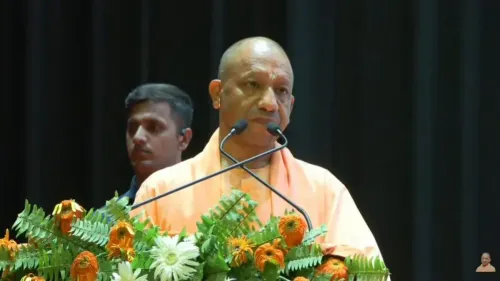
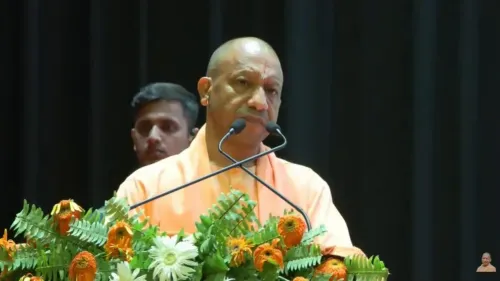
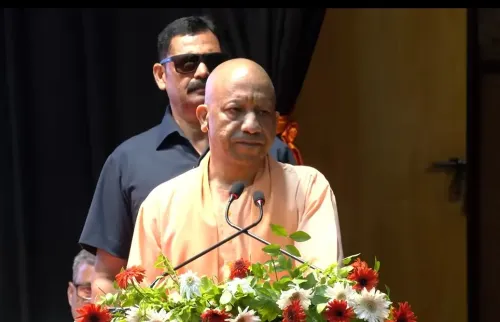
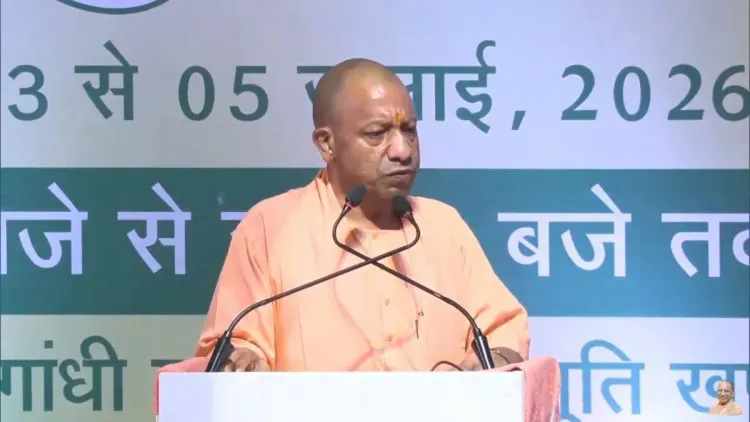
Uttar Pradesh Chief Minister Yogi Adityanath on Friday, 3 July 2026, called for a comprehensive overhaul of the state's agricultural strategy, urging that goals must extend well beyond increasing raw production to encompass branding, processing, packaging, product traceability, and organic certification.
Posting on X, CM Yogi stated: 'हमारा लक्ष्य केवल उत्पादन बढ़ाने तक सीमित नहीं रहना चाहिए, बल्कि ब्रांडिंग, प्रोसेसिंग, पैकेजिंग के साथ ही प्रोडक्ट की ट्रेसेबिलिटी और ऑर्गेनिक सर्टिफिकेशन पर भी ध्यान देना होगा।' ['Our goal should not remain limited to increasing production alone; we must also focus on branding, processing, packaging, as well as product traceability and organic certification.']
Context
Uttar Pradesh is India's most populous state and one of its largest agricultural producers, with significant output in wheat, rice, sugarcane, and horticulture crops. Despite this scale, a persistent gap has existed between farm-gate production and the value farmers realise in final markets. CM Yogi's remarks signal a policy intent to close that gap by moving the state's agri-economy up the value chain.
The emphasis on traceability and organic certification reflects growing demand from premium export markets in Europe and North America, where buyers require documented proof of origin, input use, and handling standards before accepting agricultural consignments.
Policy Backdrop
The Central Government launched the Paramparagat Krishi Vikas Yojana (PKVY) in 2015 to promote organic farming through a cluster-based approach and Participatory Guarantee System (PGS) certification, providing financial and technical support to farmers transitioning away from chemical inputs. Uttar Pradesh followed with its own State Organic Farming Policy in 2017, establishing organic clusters and creating linkages between farmers, certification bodies, and markets.
The Agricultural and Processed Food Products Export Development Authority (APEDA) plays a central role in organic certification and export promotion for Indian produce, and any state-level scale-up of traceability infrastructure would likely involve coordination with this body. CM Yogi's statement aligns UP's direction squarely with these national frameworks.
Stakeholders and Impact
The primary beneficiaries of a successful value-chain upgrade would be UP's organic farmers and agri-exporters, who stand to access higher price points in both domestic premium retail and international markets. Branding and packaging investments would also support small and medium agri-processing enterprises in the state.
For consumers, a robust traceability system would provide greater assurance about the origin and quality of agricultural products. For the state exchequer, higher export realisations and value-added agri-processing translate into improved rural incomes and broader economic activity.
What's Next
Attention will now turn to the state's next agriculture budget and whether it includes specific allocations for organic certification drives, traceability infrastructure, and branding support for UP-origin produce. Any formal tie-up with APEDA to build end-to-end traceability systems would be a concrete next step consistent with the Chief Minister's stated direction.
If translated into policy action, CM Yogi's push could position Uttar Pradesh as a model for value-chain-led agricultural transformation among India's large farm states — a shift from volume to value that policymakers across the country have long advocated but struggled to operationalise at scale.
Point of View
The Chief Minister is signalling awareness that premium market access, not just yield, will determine future farm incomes in UP. The timing also reflects competitive pressure, as other large farm states have moved faster on agri-branding and GI tagging. Whether this translates into budgetary commitment or remains aspirational rhetoric will be the real test of political will.
NationPress
3 Jul 2026
Frequently Asked Questions
What did CM Yogi Adityanath say about UP agriculture on 3 July 2026?
CM Yogi Adityanath stated that Uttar Pradesh's agricultural goal should not be limited to increasing production but must also focus on branding, processing, packaging, product traceability, and organic certification to raise farmer incomes and meet export standards.
What is organic certification and why does it matter for UP farmers?
Organic certification is a formal process that verifies a farm's produce is grown without synthetic chemicals, meeting defined standards. For UP farmers, it unlocks access to premium domestic retail and international export markets in Europe and North America that pay significantly higher prices for certified organic produce.
What is Paramparagat Krishi Vikas Yojana and how does it relate to UP?
Paramparagat Krishi Vikas Yojana (PKVY) is a Central Government scheme launched in 2015 that promotes organic farming through cluster-based support and PGS certification. Uttar Pradesh adopted its own State Organic Farming Policy in 2017 building on this framework to establish organic clusters and market linkages.
What is APEDA's role in organic farming in India?
APEDA, the Agricultural and Processed Food Products Export Development Authority, oversees organic certification standards and export promotion for Indian agricultural produce. It would be a key partner in any UP-level effort to build product traceability infrastructure for export markets.
How can Uttar Pradesh improve agricultural value addition?
UP can improve agricultural value addition by investing in agri-processing units, cold chain and packaging infrastructure, state-supported branding for UP-origin produce, organic certification drives, and digital traceability systems — all areas CM Yogi highlighted in his 3 July 2026 statement.