CM Yogi Calls Prayagraj a Land of Social Equality

Synopsis
Chief Minister Yogi Adityanath described Prayagraj as a 'land of social equality,' invoking the sacred Akshayvat, Tirtharaj Prayag, and Maharishi Bharadwaj's spiritual legacy, framing the ancient city as a living repository of inter-generational wisdom and civilisational continuity.
Key Takeaways
CM Yogi Adityanath, quoted by the Chief Minister's Office of Uttar Pradesh , called Prayagraj a 'land of social equality' on October 15, 2026 .
The statement invoked Tirtharaj Prayag , the sacred Akshayvat (immortal banyan tree), and the meditative legacy of Maharishi Bharadwaj .
The framing emphasises inter-generational transmission of spiritual heritage and pilgrimage tradition.
Prayagraj was renamed from Allahabad in 2018 under the Yogi Adityanath government as part of a broader civilisational repositioning of the city.
The messaging aligns with ongoing state-level promotion of Prayagraj's identity ahead of future Kumbh Mela cycles.
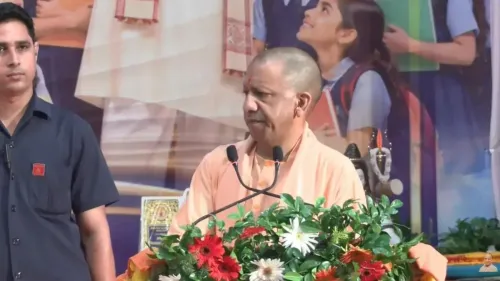
At the confluence of rivers and centuries, Prayagraj holds a place unlike any other in India's spiritual geography — and on Thursday, October 15, 2026, the Chief Minister's Office of Uttar Pradesh shared a striking invocation of that identity by Chief Minister Yogi Adityanath, framing the ancient city as not just a pilgrimage destination but a living emblem of social equality.
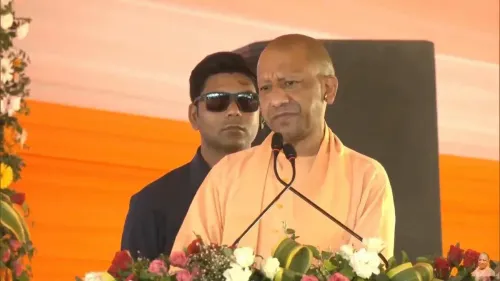
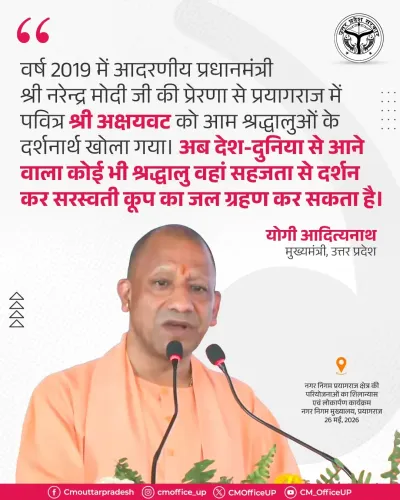
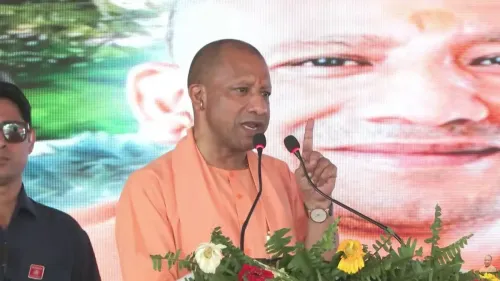
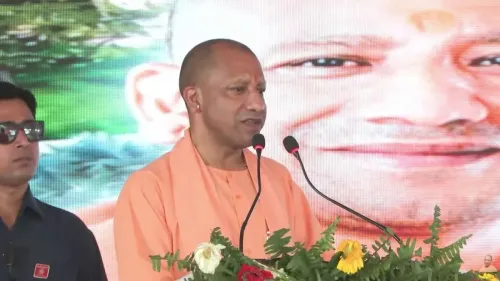
Quoting CM Yogi directly, the post declared: 'प्रयागराज सामाजिक समता की भूमि है' — 'Prayagraj is the land of social equality.' The statement went on to invoke Tirtharaj Prayag, the sacred Akshayvat (the immortal banyan tree revered in Hindu scripture), and the meditative legacy of Maharishi Bharadwaj, whose sadhana (spiritual practice) is traditionally said to have sanctified this ground.
Why Akshayvat and Maharishi Bharadwaj Still Matter
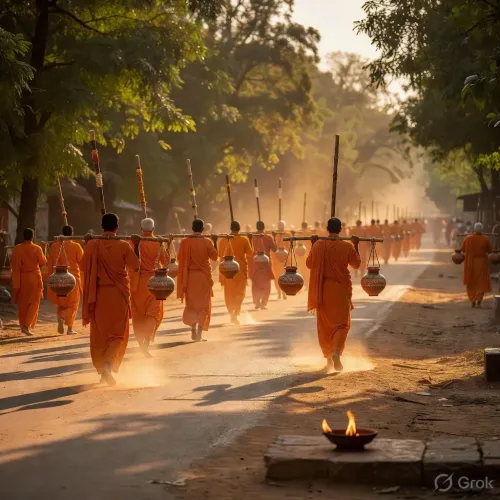
The Akshayvat — literally the 'indestructible banyan' — is among the most venerated natural sites in Hinduism, its roots believed to be eternal, its shade a symbol of unbroken continuity across ages. Pilgrims have sought it out for millennia. Maharishi Bharadwaj, one of the great Vedic sages, is closely identified with Prayagraj through ancient texts; his ashram near the Triveni Sangam — the confluence of the Ganga, Yamuna, and the mythic Saraswati — remains a site of reverence for millions.
CM Yogi's statement specifically linked this heritage to inter-generational transmission — the idea that each age has received wisdom from its predecessor and passed it forward. 'This land has preserved the greatness of teertha (pilgrimage) across ages,' the statement read, 'and given new generations the opportunity to draw inspiration from it.'
Prayagraj's Identity as a Political and Cultural Statement
The framing of Prayagraj as a site of 'social equality' carries deliberate resonance. Uttar Pradesh under Yogi Adityanath — Chief Minister since 2017 — has consistently repositioned the state's ancient sites as pillars of a broader civilisational narrative. The city's name itself was changed from Allahabad to Prayagraj in 2018, a move the government framed as restoring an older, sacred identity.
At the Kumbh Mela, arguably the world's single largest peaceful human gathering, caste and social rank have traditionally dissolved at the water's edge — the same symbolic equality the CM's statement invokes. That tradition, stretching back well before recorded history, gives the phrase 'social equality' a specifically devotional rather than purely political colouring.
For a city that has hosted saints, scholars, freedom fighters, and tens of millions of pilgrims, the reminder is also a signal: Prayagraj's significance, in the Uttar Pradesh government's telling, is inseparable from the living continuity of its spiritual heritage. The next Kumbh cycle looms on the horizon — and the messaging has already begun.
Point of View
Statements like this function as low-intensity but persistent brand reinforcement ahead of high-footfall pilgrimage seasons. The absence of any new scheme or infrastructure announcement suggests this is signal-setting rather than policy launch — but in UP's political calendar, cultural signalling and governance are rarely separable.
NationPress
15 Oct 2026
Frequently Asked Questions
Why did CM Yogi call Prayagraj a land of social equality?
CM Yogi Adityanath used the phrase to invoke Prayagraj's Kumbh Mela tradition, where pilgrims across caste and social backgrounds gather as equals at the Triveni Sangam, framing the city's spiritual identity as inherently inclusive.
What is Akshayvat in Prayagraj?
Akshayvat is a sacred immortal banyan tree located within the Prayagraj fort complex, revered in Hindu scriptures as an eternal and indestructible symbol, and visited by pilgrims for thousands of years.
Who was Maharishi Bharadwaj and why is he linked to Prayagraj?
Maharishi Bharadwaj was a revered Vedic sage whose ashram, near the Triveni Sangam in Prayagraj, is mentioned in ancient texts; he is traditionally regarded as one of the great spiritual patrons of the region.
When was Allahabad renamed to Prayagraj?
The city was officially renamed from Allahabad to Prayagraj in 2018 by the Uttar Pradesh government led by Chief Minister Yogi Adityanath, citing the restoration of the city's ancient identity.
What is Tirtharaj Prayag?
Tirtharaj Prayag, meaning 'king of all pilgrimage sites,' is the traditional Sanskrit title for Prayagraj, reflecting its supreme status in Hindu pilgrimage geography as the confluence of the Ganga, Yamuna, and mythic Saraswati rivers.