CM Yogi Hails UNESCO Tag for Prayagraj Mahakumbh
Synopsis
Uttar Pradesh Chief Minister Yogi Adityanath has celebrated UNESCO's recognition of the Prayagraj Mahakumbh as an Intangible Cultural Heritage of Humanity, framing the listing as global validation of India's ancient cultural and spiritual traditions.
Key Takeaways
CM Yogi Adityanath posted on X on 26 May 2026 highlighting UNESCO's recognition of the Prayagraj Mahakumbh.
UNESCO inscribed the Kumbh Mela on its Representative List of the Intangible Cultural Heritage of Humanity in 2017 .
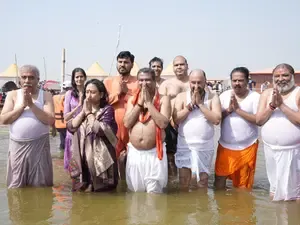
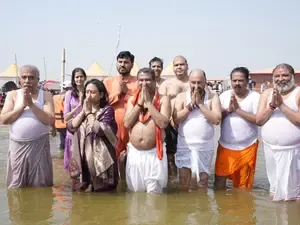
The Prayagraj Mahakumbh is held at the Triveni Sangam , the confluence of the Ganga, Yamuna, and Saraswati rivers.
The UNESCO listing has boosted Uttar Pradesh's cultural tourism and reinforced the state government's flagship event positioning.
India has pursued multiple UNESCO intangible-heritage listings as part of a strategy to enhance global cultural visibility.
Focus now shifts to preparations and budget allocations for the 2029 Prayagraj Mahakumbh .
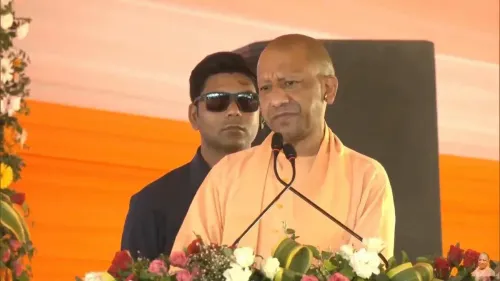
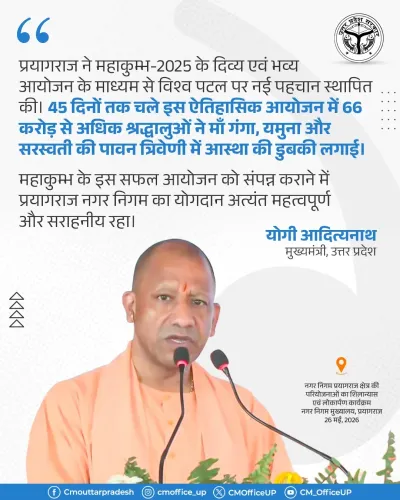
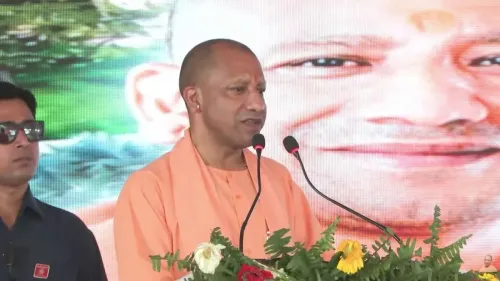
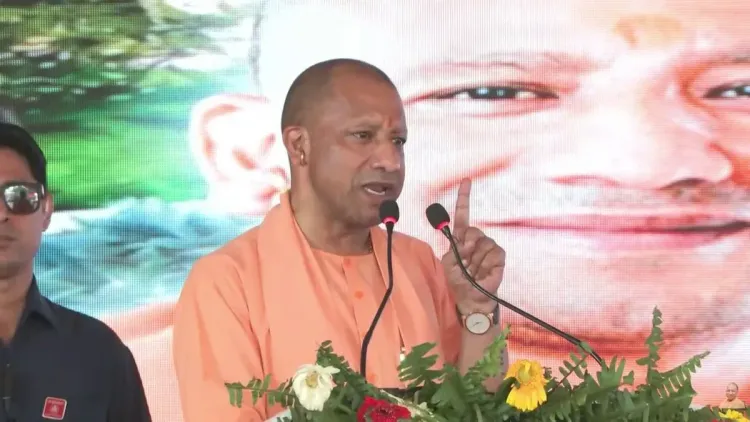
Uttar Pradesh Chief Minister Yogi Adityanath on Tuesday, 26 May 2026 invoked UNESCO's recognition of the Prayagraj Mahakumbh as an Intangible Cultural Heritage of Humanity, calling it a global acknowledgement of India's cultural and spiritual traditions. The Chief Minister's post on X celebrated the distinction as a moment of pride for the nation's ancient civilisational legacy.
Context
In his post, CM Yogi wrote: 'यूनेस्को ने प्रयागराज महाकुम्भ को 'मानवता की अमूर्त सांस्कृतिक धरोहर' के रूप में हमारी सांस्कृतिक और आध्यात्मिक परंपरा को वैश्विक मान्यता देने का काम किया' — [UNESCO has recognised the Prayagraj Mahakumbh as an 'Intangible Cultural Heritage of Humanity', giving global acknowledgement to our cultural and spiritual tradition.] The statement underscores the significance the Bharatiya Janata Party-led state government places on the Kumbh Mela as a symbol of India's living heritage.
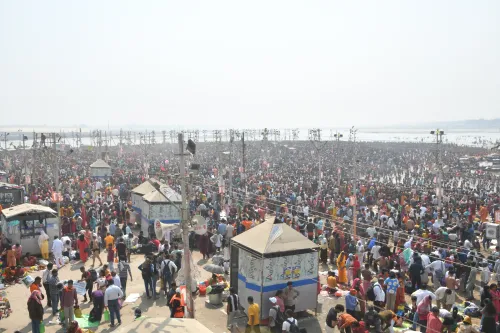
The Kumbh Mela is a cyclical Hindu pilgrimage festival held every 12 years at four riverbank sites across India. Prayagraj, situated at the Triveni Sangam — the confluence of the Ganga, Yamuna, and the mythical Saraswati rivers — is considered the most sacred of the four venues.
Policy Backdrop
UNESCO inscribed the Kumbh Mela on its Representative List of the Intangible Cultural Heritage of Humanity in 2017, recognising the festival's extraordinary scale, its spiritual significance, and its embodiment of peaceful coexistence. The listing placed the Kumbh alongside other globally recognised traditions as a living expression of human culture.
Since that inscription, successive Uttar Pradesh governments — and particularly the administration under CM Yogi Adityanath — have invested heavily in infrastructure, pilgrim management, and digital outreach for each Kumbh cycle. The state has positioned the event as a flagship showcase of governance capacity and cultural soft power.
Stakeholders and Impact
The UNESCO designation has had tangible benefits for Uttar Pradesh's tourism sector, drawing international visitors alongside the tens of millions of domestic pilgrims who attend each cycle. Hindu pilgrims, local traders, hoteliers, and the broader cultural-tourism economy of Prayagraj are the primary beneficiaries of the enhanced global profile.
India has systematically pursued UNESCO intangible-heritage listings for religious and cultural practices — from Yoga to Durga Puja — as part of a broader strategy to enhance the country's global cultural visibility and stimulate domestic tourism. The Kumbh listing fits squarely within that pattern, lending institutional legitimacy to the government's promotion of the event.
What's Next
Attention now turns to preparations for the 2029 Prayagraj Mahakumbh, with state budget allocations and infrastructure planning expected to be shaped in part by the prestige of the UNESCO status. Policymakers and cultural bodies are also likely to explore expanding UNESCO-linked cultural-tourism circuits around Prayagraj and other Kumbh sites. CM Yogi's public invocation of the heritage tag signals that the recognition will remain a centrepiece of the state's cultural and political messaging in the years ahead.
Point of View
Converting a 2017 UNESCO inscription into ongoing political and tourism capital. By repeatedly invoking the heritage tag, the BJP-led state government reinforces its narrative of civilisational pride and effective governance ahead of the 2029 Kumbh cycle. This fits a broader national pattern of leveraging UNESCO listings — from Yoga to Durga Puja — to project India's soft power domestically and globally. The post also signals that cultural heritage will remain a central pillar of Uttar Pradesh's political messaging through the next election cycle.
NationPress
20 Sept 2026
Frequently Asked Questions
When did UNESCO recognise the Kumbh Mela as Intangible Cultural Heritage?
UNESCO inscribed the Kumbh Mela on its Representative List of the Intangible Cultural Heritage of Humanity in 2017 , recognising its spiritual significance and extraordinary scale.
What is the Prayagraj Mahakumbh?
The Prayagraj Mahakumbh is the largest of the Kumbh Mela gatherings, held every 12 years at Prayagraj in Uttar Pradesh at the Triveni Sangam confluence of the Ganga, Yamuna, and Saraswati rivers.
Why did CM Yogi post about UNESCO and the Mahakumbh?
CM Yogi Adityanath invoked the UNESCO recognition to celebrate India's cultural and spiritual heritage on the global stage and to reinforce the Uttar Pradesh government's positioning of the Mahakumbh as a flagship event.
What does UNESCO's Intangible Cultural Heritage listing mean for India?
The listing provides international institutional validation for the Kumbh Mela's cultural significance, enhancing India's global soft power and boosting tourism to Prayagraj and Uttar Pradesh .
When is the next Prayagraj Mahakumbh?
The next Prayagraj Mahakumbh is expected in 2029 , and state preparations and budget allocations are anticipated to be shaped by the event's UNESCO-recognised status.