CM Yogi Hails Prayagraj Nagar Nigam's Role in Mahakumbh-2025
Synopsis
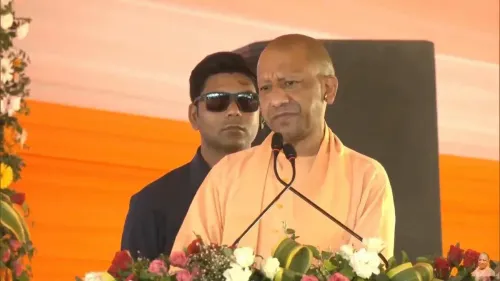
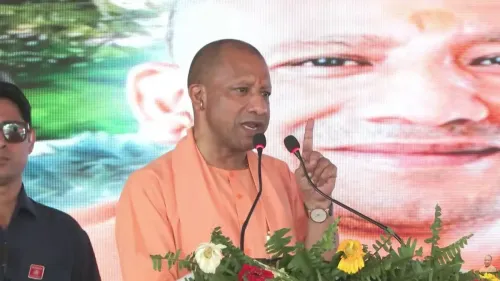
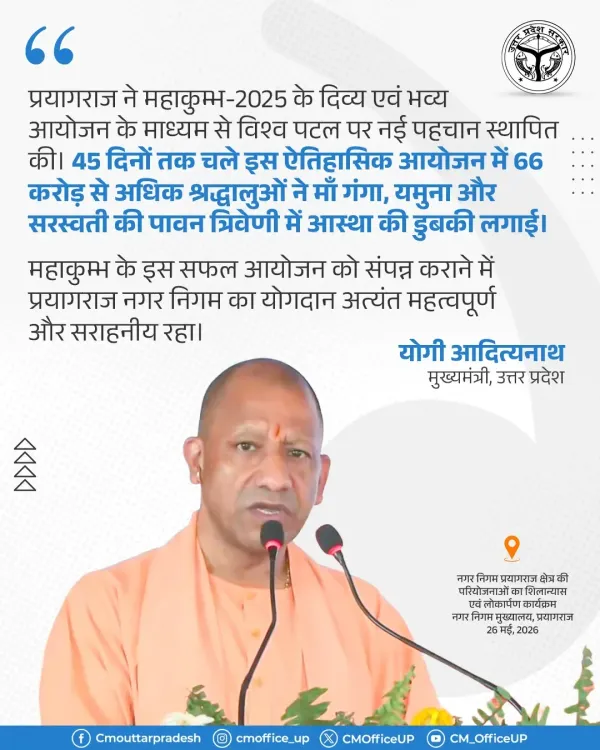
Chief Minister Yogi Adityanath, through the UP CMO's official X account, praised Prayagraj Nagar Nigam for its role in Mahakumbh-2025, which the government says drew over 66 crore devotees over 45 days, establishing Prayagraj as a global landmark.
Key Takeaways
The Chief Minister's Office of Uttar Pradesh credited Prayagraj Nagar Nigam for its 'extremely important and commendable' role in Mahakumbh-2025.
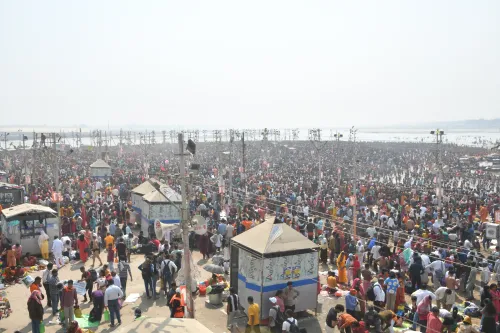
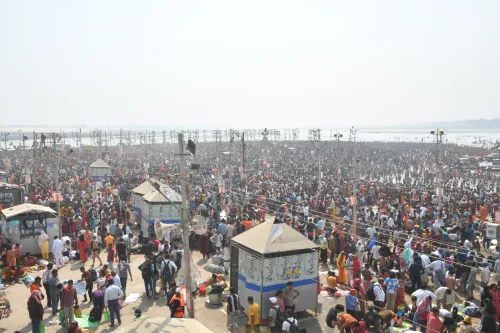
According to the official post, more than 66 crore devotees participated in the event over 45 days .
The event was held at the Triveni Sangam — the confluence of the Ganga, Yamuna, and Saraswati rivers in Prayagraj .
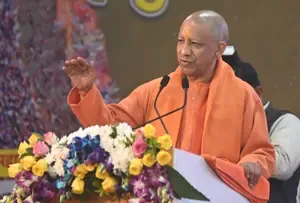
Chief Minister Yogi Adityanath described the event as 'divine and grand,' saying it gave Prayagraj a new identity on the world stage.
The Yogi Adityanath administration has consistently positioned the Kumbh cycle as a vehicle for infrastructure development and cultural diplomacy in Uttar Pradesh.
The Chief Minister's Office of Uttar Pradesh, on behalf of Chief Minister Yogi Adityanath, on Tuesday, 26 May 2026, credited the Prayagraj Nagar Nigam for its 'extremely important and commendable' contribution to the successful conduct of Mahakumbh-2025, calling it a landmark event that established Prayagraj as a new identity on the world stage.
Context
The post, attributed directly to Chief Minister Yogi Adityanath, states that Prayagraj has carved out a new global identity through the 'divine and grand' (divy evam bhavy) organisation of Mahakumbh-2025. According to the official post, the 45-day event saw more than 66 crore devotees take a sacred dip at the Triveni Sangam — the holy confluence of the Ganga, Yamuna, and the mythical Saraswati rivers. The statement specifically singles out the municipal corporation for praise, a notable acknowledgement of civic-body logistics in managing one of the world's largest human gatherings.
Policy Backdrop
The Kumbh Mela at Prayagraj — formerly Allahabad — is a recurring mega-event held on a 12-year cycle, with the previous Purna Kumbh having taken place in 2013. Successive Uttar Pradesh governments have used the Kumbh cycle as a platform for large-scale infrastructure upgrades, riverfront development, and tourism promotion in the city. The Yogi Adityanath administration, in office since 2017, positioned Mahakumbh-2025 as a flagship demonstration of the state's administrative capacity and cultural stewardship, channelling significant state resources into crowd management, sanitation, connectivity, and beautification ahead of the event.
Stakeholders and Impact
The Prayagraj Nagar Nigam, as the city's primary municipal body, bore direct responsibility for civic services — waste management, sanitation, temporary infrastructure, and public utilities — across the sprawling festival grounds. The scale of participation cited in the post, if borne out by independent assessments, would make Mahakumbh-2025 among the largest peaceful human gatherings in recorded history. Pilgrims, local traders, hospitality providers, and transport operators across Uttar Pradesh are among the key stakeholders who stand to benefit from the event's economic footprint.
What's Next
Official post-event economic impact assessments and crowd-management reviews are expected to follow in the coming months, with the state government likely to use the data to benchmark future large-scale events. Attention will also turn to preparations for the next phase of the Kumbh cycle — the Ardh Kumbh or the subsequent Purna Kumbh — as Prayagraj cements its position as a permanent hub for religious tourism and civic planning in Uttar Pradesh. The public recognition of the Nagar Nigam may also signal a broader push to institutionalise municipal-level event governance for future mega-events.
Point of View
If validated, would represent a historic benchmark, and the government's eagerness to anchor it in the public record suggests it will form a centrepiece of the BJP's governance narrative in Uttar Pradesh. Recognising municipal bodies also fits a broader pattern of the Yogi administration seeking to demonstrate functional federalism at the city level. The post-event period will be critical: how the state translates this momentum into lasting infrastructure and tourism policy will determine whether Prayagraj's 'new global identity' is sustained beyond the festival cycle.
NationPress
24 Sept 2026
Frequently Asked Questions
How many people attended Mahakumbh 2025 in Prayagraj?
According to the official statement from the Chief Minister's Office of Uttar Pradesh, more than 66 crore devotees attended Mahakumbh-2025 in Prayagraj over the course of 45 days.
What is the Triveni Sangam in Prayagraj?
The Triveni Sangam is the sacred confluence of the Ganga, Yamuna, and the mythical Saraswati rivers in Prayagraj, and is the central site for ritual bathing during the Kumbh Mela.
What role did Prayagraj Nagar Nigam play in Mahakumbh 2025?
Prayagraj Nagar Nigam , the city's municipal body, was responsible for civic services including sanitation, waste management, and public infrastructure across the festival grounds. Chief Minister Yogi Adityanath called its contribution 'extremely important and commendable.'
When was the last Purna Kumbh Mela held before 2025?
The previous Purna Kumbh Mela at Prayagraj was held in 2013 , with the event following a 12-year cycle at the Triveni Sangam.
What did CM Yogi Adityanath say about Mahakumbh 2025?
CM Yogi Adityanath stated that Prayagraj has established a new identity on the world stage through the 'divine and grand' organisation of Mahakumbh-2025, and specifically praised the Prayagraj Nagar Nigam for its key role in making the event a success.