CM Yogi Champions 'New UP' Vision of Education and People Power
Synopsis
Chief Minister Yogi Adityanath invoked the 'New Uttar Pradesh' vision on 19 November 2026, foregrounding better education, holistic development, meaningful dialogue and public participation as the state's governing resolve.
Key Takeaways
CM Yogi Adityanath posted on 19 November 2026 reaffirming the 'Naya Uttar Pradesh' (New Uttar Pradesh) governance vision.
The post names four explicit pillars: better education, holistic development, meaningful dialogue, and public participation .
The 'New Uttar Pradesh' brand has been central to BJP's state governance messaging since taking power in March 2017 .
Education is listed first in the sequence, reflecting the administration's framing of human capital as the foundation of development.
The term 'janabhagidari' (public participation) signals a bottom-up governance posture ahead of potential budget and policy announcements.
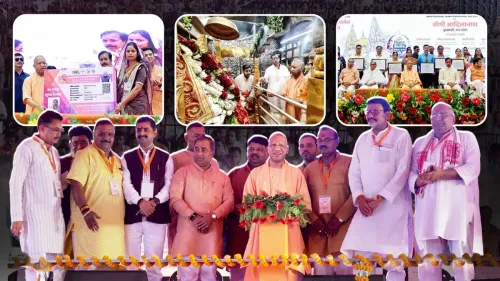
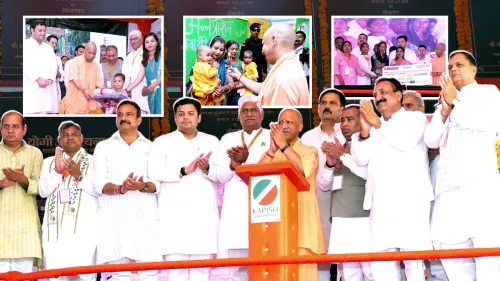
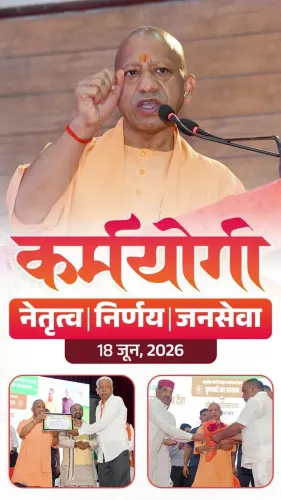
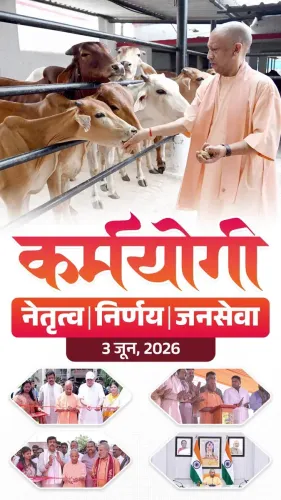
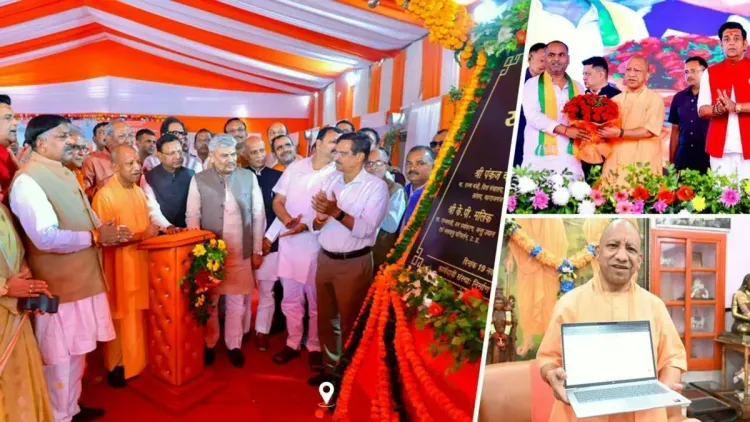
A state of 230 million people is being reshaped, one pledge at a time — and Uttar Pradesh Chief Minister Yogi Adityanath wants every citizen to feel that momentum. On Thursday, 19 November 2026, the Chief Minister took to X to reaffirm the governing philosophy his administration has carried since 2017: better education, holistic development, meaningful dialogue, and the irreplaceable force of public participation.
The post, written in Hindi, reads: 'Behtar shiksha, samagra vikas, sarthak samvad aur janabhagidari ke sankalp se nirantar sashakt hota 'Naya Uttar Pradesh'...' — 'A 'New Uttar Pradesh' that grows continuously stronger through the resolve for better education, holistic development, meaningful dialogue and public participation.' The ellipsis and the accompanying video signal this as a statement of ongoing direction, not a one-off announcement.
'New Uttar Pradesh' — a slogan with nine years of governing weight
The phrase 'Naya Uttar Pradesh' is not new. Since the BJP government came to power in March 2017, it has served as the overarching brand for the administration's transformation agenda — anchoring everything from road construction drives and investment summits to school infrastructure upgrades and law-and-order messaging. What makes today's post notable is its deliberate sequencing of priorities: education comes first, before development, before dialogue.
That ordering tracks with a pattern visible across the Yogi administration's public communications: positioning learning and human capital as the foundation on which economic growth is built, rather than treating them as a footnote to infrastructure spending. Uttar Pradesh, India's most populous state, has historically lagged on education outcomes, making the rhetorical emphasis politically significant for the government's legacy pitch.
Public participation as the fourth pillar
The specific inclusion of 'janabhagidari' — public participation — alongside education and development is a pointed choice. It echoes the bottom-up governance language that the state government has used to frame schemes ranging from cleanliness drives to gram sabha engagements. It also serves a political function: pre-empting the critique that flagship development is top-down delivery rather than citizen-led change. Whether the gap between slogan and ground reality is narrowing is a question that will be answered most concretely in the state's upcoming budget and legislative sessions.
For now, the Chief Minister's message is a restatement of intent — confident, forward-leaning, and aimed squarely at the narrative that Uttar Pradesh under his watch is a state in credible, measurable transformation. The next test of that claim will come in the numbers.
Point of View
Which is a standard tactic for governments managing long mandates. The specific sequencing of education before infrastructure spending suggests the administration is conscious of its legacy gap on human development indices in India's most populous state. The inclusion of 'janabhagidari' is a soft counter to opposition arguments that UP's development is a top-down, optics-driven exercise. As the state approaches its next budget cycle, such messaging lays the rhetorical groundwork for social-sector spending announcements.
NationPress
19 Nov 2026
Frequently Asked Questions
What is 'Naya Uttar Pradesh' or New Uttar Pradesh?
'Naya Uttar Pradesh' (New Uttar Pradesh) is the BJP state government's overarching development and governance brand, used since Chief Minister Yogi Adityanath came to power in March 2017. It encompasses education reform, infrastructure growth, law-and-order improvement and public participation initiatives.
What did CM Yogi Adityanath post on 19 November 2026?
CM Yogi Adityanath posted on X on 19 November 2026 reaffirming the 'New Uttar Pradesh' vision, citing better education, holistic development, meaningful dialogue and public participation as the resolve driving the state's continuous strengthening.
What does 'janabhagidari' mean in Yogi Adityanath's governance model?
'Janabhagidari' means public participation — the involvement of ordinary citizens in governance processes. The Yogi administration uses the term to frame schemes and drives as citizen-led rather than purely government-delivered, covering initiatives from cleanliness campaigns to gram sabha engagements.
When did Yogi Adityanath become Chief Minister of Uttar Pradesh?
Yogi Adityanath became Chief Minister of Uttar Pradesh in March 2017 after the BJP won a decisive majority in the state assembly elections. He was re-elected to the post after the 2022 state elections.
What are Uttar Pradesh's key governance priorities under Yogi Adityanath?
Under Yogi Adityanath, Uttar Pradesh's stated governance priorities include education infrastructure upgrades, holistic economic development, law-and-order improvement, investment attraction, and citizen participation in state schemes — all framed under the 'Naya Uttar Pradesh' narrative since 2017.