CM Yogi cites 1990 Ayodhya firing on its anniversary
Synopsis
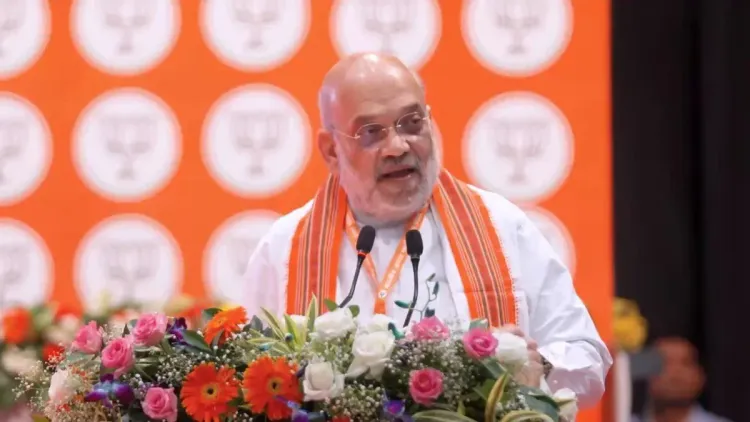
On the 36th anniversary of the 1990 Ayodhya firing, UP Chief Minister Yogi Adityanath quoted Home Minister Amit Shah's sharp rebuke of Akhilesh Yadav, accusing Mulayam Singh Yadav of ordering a massacre of Ram devotees and warning SP of generational political reckoning.
Key Takeaways
CM Yogi posted on 30 October 2026 , marking the anniversary of the 1990 Ayodhya police firing on kar sevaks during Mulayam Singh Yadav's tenure as UP Chief Minister.
The post quotes Union Home Minister Amit Shah directly, accusing Mulayam of ordering 'indiscriminate firing' and calling it a 'massacre.' Shah's quoted line warns that 'not even your third generation' will be forgiven by the people of UP — aimed squarely at Akhilesh Yadav , current SP president.
The BJP has repeatedly invoked the 1990 Ayodhya incident in UP election campaigns since the early 1990s as evidence of SP hostility toward Hindu religious sentiment.
The post follows the January 2024 Ram Mandir consecration , which gave the BJP a landmark achievement to contrast against the SP's historical record on Ayodhya.
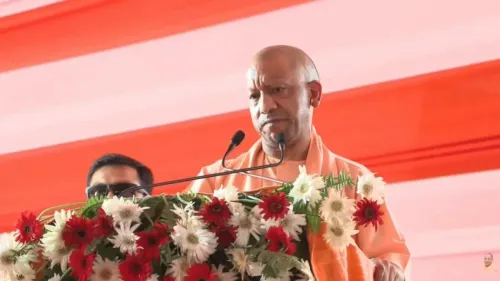
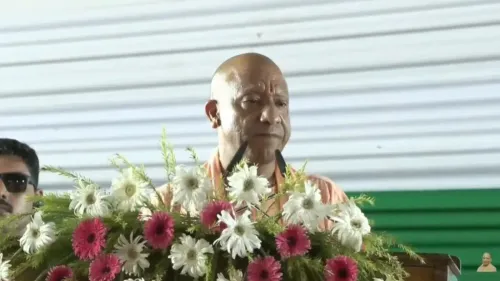
Thirty-six years after police opened fire on kar sevaks in Ayodhya, Uttar Pradesh Chief Minister Yogi Adityanath used the anniversary — 30 October — to publicly invoke the episode and sharpen his party's political attack on the Samajwadi Party, quoting Union Home Minister Amit Shah directly.
Posting on 30 October 2026, CM Yogi shared remarks attributed to Home Minister Shah: 'Akhilesh babu, aap to kya, aapki teesri peedhi tak UP ki janta aapko maaf nahi karegi' — 'Akhilesh, not just you, but even your third generation will not be forgiven by the people of UP.' The statement directly accused then-Chief Minister Mulayam Singh Yadav of ordering indiscriminate firing on Ram devotees in 1990, calling it a 'massacre' (narasanhar).
What happened in Ayodhya in October 1990
In October 1990, during Mulayam Singh Yadav's first term as Chief Minister of Uttar Pradesh, state police opened fire on kar sevaks — volunteers who had converged on Ayodhya as part of the Ram Janmabhoomi agitation. The incident resulted in multiple deaths and immediately became one of the most politically charged events in modern UP history. For the BJP and its associated formations, it became a defining symbol of what they characterised as the SP's hostility toward Hindu religious sentiment. Mulayam Singh Yadav passed away in October 2022.
The BJP's long-running electoral use of the 1990 memory
The anniversary invocation is not accidental — it is a well-worn page from the BJP's UP playbook. Since the early 1990s, the party has returned to this episode in virtually every major election cycle, using it to draw a sharp contrast with non-BJP governments and to consolidate support among voters who backed or sympathise with the Ram Janmabhoomi movement. The framing has only intensified since the Supreme Court's 2019 verdict cleared the path for Ram Mandir construction, and the temple's consecration in January 2024 gave the BJP a crowning achievement to set against what it frames as decades of obstruction.
The target this time is Akhilesh Yadav, SP president and former Chief Minister (2012–2017), and son of Mulayam Singh. The post — and the Shah quote within it — signals that the BJP intends to keep generational accountability at the centre of its anti-SP messaging, arguing that UP voters have neither forgotten nor forgiven the events of 1990.
Why Amit Shah's voice is amplified here
CM Yogi's choice to quote Home Minister Shah rather than post his own words is deliberate political choreography. Shah is widely regarded as the BJP's most formidable electoral strategist and his statements on UP carry weight beyond state politics. By attributing the sharpest line — the 'third generation' warning — to Shah, the post elevates the attack from a regional jab to a national-level political indictment of the Yadav family's legacy.
The Samajwadi Party has not yet issued a formal response to this specific post. But the exchange sets a combative tone as both parties position themselves ahead of future electoral contests in India's most populous and politically consequential state.
The people of UP, as both sides know, have a long memory — and in this election, each is betting that memory works in their favour.
Point of View
CM Yogi simultaneously projects national party authority and insulates himself from direct debate on the claim. The 'third generation' framing is designed to preempt any SP attempt to draw a line between Mulayam Singh Yadav's legacy and Akhilesh Yadav's political identity. With the Ram Mandir now built and consecrated, the BJP has a concrete achievement to anchor this historical narrative to — making it a more potent electoral instrument than ever before.
NationPress
31 Oct 2026
Frequently Asked Questions
What happened in Ayodhya in October 1990?
In October 1990, state police in Uttar Pradesh opened fire on kar sevaks — volunteers gathered in Ayodhya as part of the Ram Janmabhoomi agitation — during Mulayam Singh Yadav's first term as Chief Minister. Multiple people were killed in the incident, which became one of the most politically divisive events in UP's modern history.
Why is CM Yogi posting about the 1990 Ayodhya firing now?
30 October is the anniversary of the 1990 Ayodhya police firing. CM Yogi's post uses the date to revive BJP's long-standing political narrative that the Samajwadi Party is hostile to Hindu religious sentiment, and to target current SP president Akhilesh Yadav ahead of future electoral contests.
What did Amit Shah say about Akhilesh Yadav and the 1990 Ayodhya firing?
As quoted by CM Yogi, Amit Shah said that 'not just Akhilesh, but even his third generation will not be forgiven by the people of UP' for the 1990 firing on Ram devotees — directly holding the Yadav political family responsible across generations.
Who was Mulayam Singh Yadav?
Mulayam Singh Yadav was the founder of the Samajwadi Party and served as Chief Minister of Uttar Pradesh three times — 1989–1991, 1993–1995, and 2003–2007. He passed away in October 2022. His son, Akhilesh Yadav, now leads the party.
Has the Ram Mandir been built in Ayodhya?
Yes. Following the Supreme Court's landmark verdict in November 2019, construction of the Ram Mandir in Ayodhya proceeded and the temple was consecrated in January 2024 in a ceremony overseen by the central government.